
Goal Setting for Your Outdoor Life
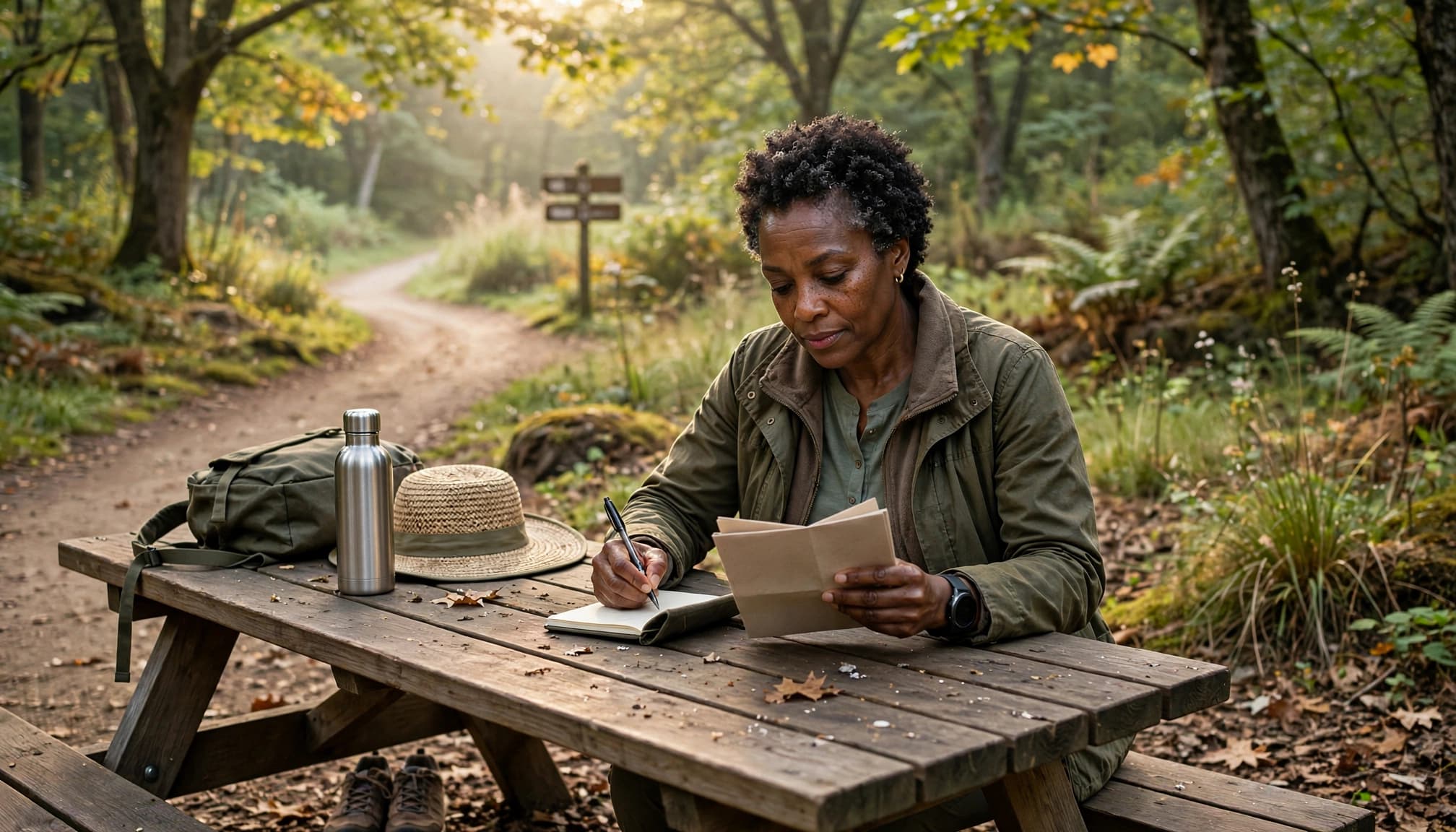
Spending time in nature isn’t just a nice way to relax; it’s a fantastic chance to grow and recharge. It can be so much more than just a casual stroll or a pretty drive. Think of it as a place where you can push yourself, find new strengths, and build confidence that sticks. When you bring the idea of goal setting success into your outdoor life, you turn simple fun into something truly meaningful. This approach helps you figure out what you want to experience, map out how to get there, and celebrate every single step along the way. It’s all about being thoughtful with your time outside and using it to become a stronger, more capable you.
Key Points
- Choose outdoor goals that match your interests, abilities, and reasons for spending time in nature.
- Use the SMART framework to make each goal specific, measurable, achievable, relevant, and time-bound.
- Select gear that supports your comfort and safety without purchasing more than you need.
- Research conditions, check the weather, and prepare backup plans before every outdoor activity.
- Track your progress through journals, photos, apps, or calendars to maintain motivation and celebrate your growth.
Define Your Adventure Goals
To get more out of your time outdoors, the first step is knowing what you’re aiming for. Saying “I want to get outside more” is a good start, but it’s a bit too vague to get things moving. For true progress, your goals need to be super clear and specific. What truly gets you excited? Is it the physical challenge of reaching a mountaintop, the quiet joy of spotting a new wildflower, or the thrill of exploring a trail you’ve never seen before?
Turn Your Idea Into a SMART Goal
A smart way to shape your ambitions is by using the SMART framework: Specific, Measurable, Achievable, Relevant, and Time-bound. Let’s see how this works for outdoor goals:
- Specific: Instead of “I want to go hiking,” try “I want to hike the 5-mile loop trail at Beacon Hill State Park.”
- Measurable: How will you know you’ve actually done it? “Learn to identify local birds” could become “Learn to identify 10 common bird species in my region by sight and sound.”
- Achievable: Be honest about your current fitness and skills. If you’ve never camped, a week-long solo backpacking trip might be a bit much. A better starting point could be an overnight trip at a well-equipped campground. The goal is to challenge yourself without setting yourself up for a fall.
- Relevant: Your goal should matter to you. Why do you want to do this? Is it to get healthier, spend more quality time with family, or conquer a personal fear? Connecting your goal to a deeper “why” gives you powerful motivation.
- Time-bound: Set a deadline for yourself. “I will complete my first 10K trail run by the end of September.” A deadline creates a sense of urgency and helps you plan your preparation.
To kick things off, brainstorm a list of all the outdoor activities you’d love to try. Don’t hold back; write down everything from learning to paddleboard to planning a multi-day trip. Once you have your list, pick one or two that truly spark your interest and start turning them into SMART goals. It’s often helpful to visualize and set our goals in a place that inspires us, whether that’s our favorite park bench or a quiet corner at home.
Essential Gear for Goal Success
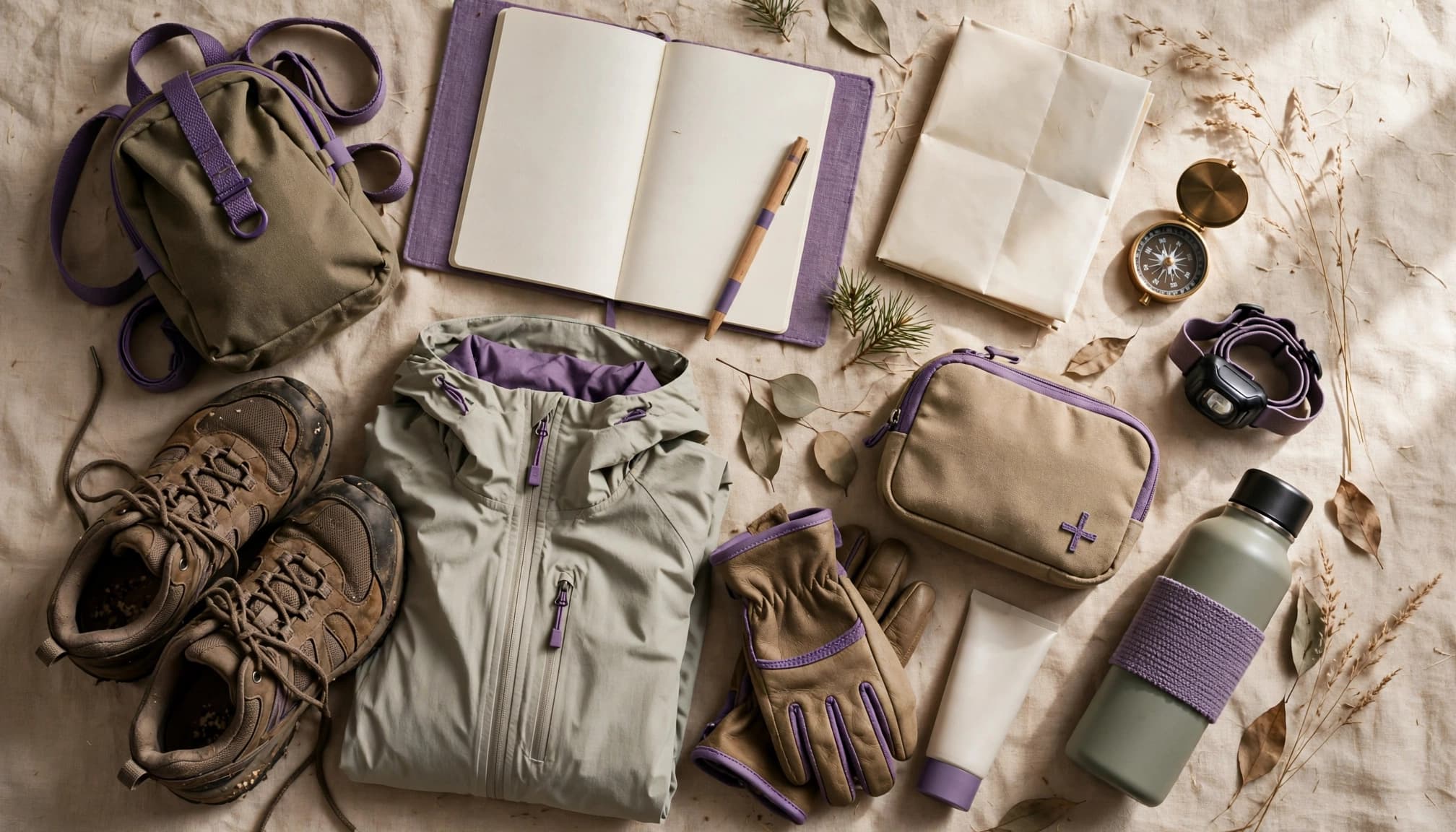
Having the right gear isn’t about collecting a bunch of stuff; it’s about making sure you can succeed, stay safe, and be comfortable. When you’re not worried about being cold, wet, or lost, you can truly dive into the experience and the challenge. The specific gear you’ll need depends entirely on your goals, but a few ideas apply to everyone: always go for quality, focus on what works, and make sure it fits well.
For example, if you dream of being a four-season hiker, investing in good layering clothes and waterproof outerwear is a must. Trying to tough out a cold, rainy hike in a flimsy jacket can be miserable and even dangerous. The right gear simply removes these obstacles. A good pair of waterproof sealskinz gloves, for instance, can be the difference between cutting a hike short with painfully cold hands and comfortably reaching your destination. Similarly, sturdy, broken-in hiking boots are crucial for protecting your feet and ankles on uneven ground, helping you avoid blisters and injuries that could stop you in your tracks.
Start by looking at the gear you already own and figure out what key pieces are missing for your new goals. You don’t have to buy everything at once. Make a priority list. What’s the one item that will make the biggest difference right away? Maybe it’s a reliable headlamp for early morning or evening adventures, a comfy daypack for your essentials, or a simple set of trekking poles to ease the strain on your knees. Do your research, read reviews, and if you can, try things on to ensure a good fit. Remember, your gear is there to help you do what you set out to achieve.
Plan for Every Possibility
Once you have a clear goal, the next step is to create a realistic plan to get there. A big adventure can feel overwhelming, but breaking it down into smaller, manageable steps makes it much less daunting. This is where you figure out the “how” and “when.” If your goal is to hike a tough 15-mile trail in three months, your plan might involve shorter weekly hikes that gradually get longer and harder. This builds your stamina and confidence little by little.
Your plan should cover more than just physical training. Think about all the practical details.
- Research: Learn everything you can about where you’re going. What are the trail conditions like? Are there any special rules or permits you need? What’s the usual weather for the time of year you plan to go? National and state park websites are fantastic resources.
- Scheduling: Look at your calendar and block out time for both your training and the main event itself. Treating these appointments as important as any other commitment is key to mastering self-discipline.
- Contingency Planning: Life happens, and so does bad weather. What’s your backup plan if the trail you wanted to hike is closed or if a thunderstorm rolls in? Having an alternative, like a lower-elevation trail or an indoor workout, means you won’t lose momentum.
Safety should always be a central part of your plan. Always tell someone where you’re going and when you expect to be back. Pack a basic first-aid kit and know how to use it. Carry more water and food than you think you’ll need. By planning for different possibilities, you’ll be ready to handle unexpected situations calmly and effectively, turning potential problems into minor adjustments. This proactive approach helps you stay on track and achieve your travel goals with confidence.
Track Your Progress Outdoors
Tracking your progress is one of the most satisfying parts of working toward a goal. It gives you solid proof of how far you’ve come, which is a huge motivator, especially on days when you feel a bit discouraged. Seeing your improvements in writing, or in photos, strengthens your commitment and makes the whole process more enjoyable. It helps you celebrate the small victories along the way, which are just as important as reaching the finish line.
Choose a Tracking Method That Works for You
There are many ways to track your outdoor achievements, and the best method is simply the one you’ll use regularly. You don’t need a complicated system; often, keeping it simple works best. Here are a few ideas:
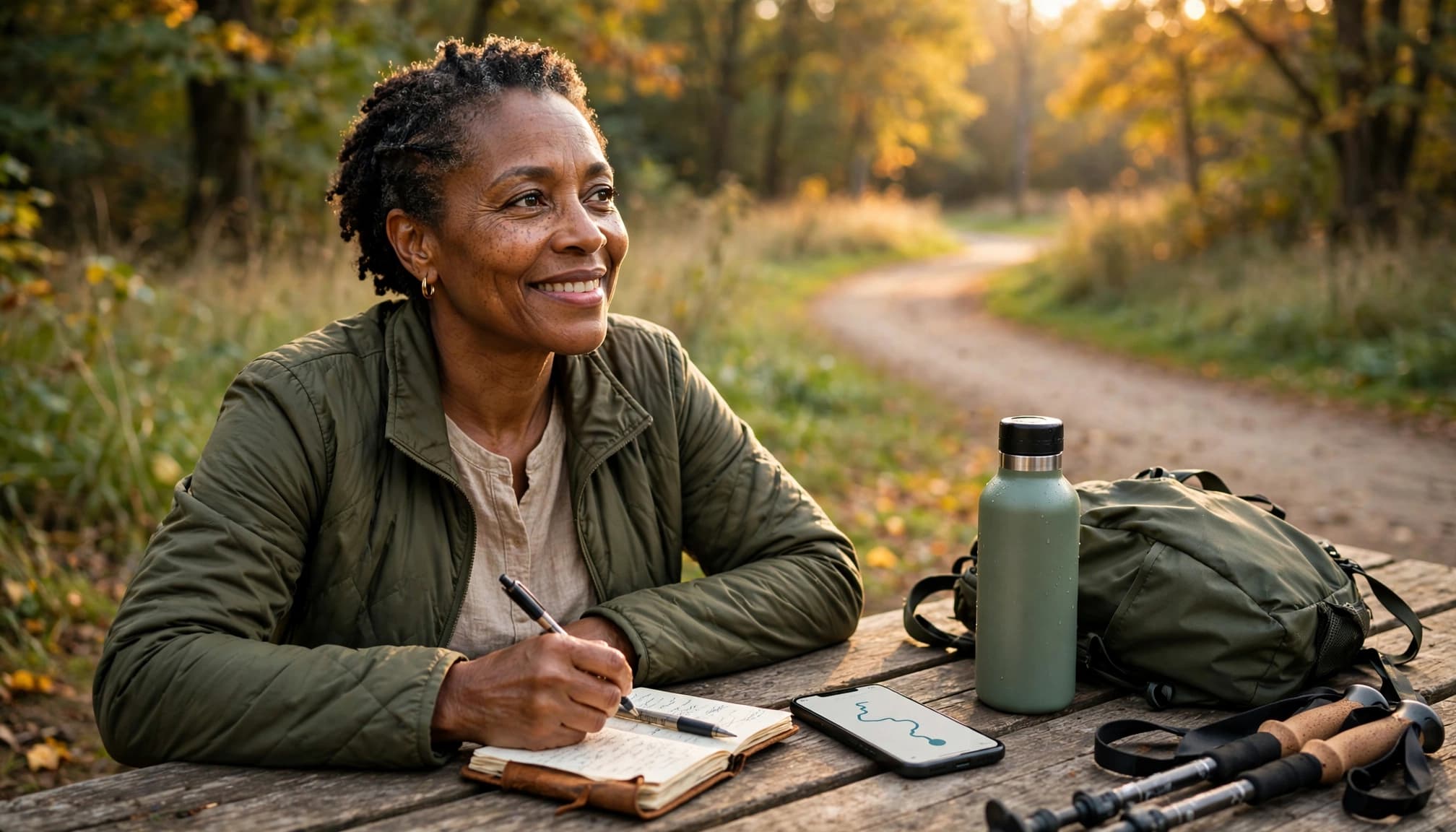
- A Dedicated Journal: Grab a simple notebook to log your activities. For each outing, jot down the date, location, distance, duration, and how you felt. You can also add notes about wildlife you saw, interesting plants you found, or challenges you overcame. Over time, this journal becomes a wonderful record of your adventures.
- Digital Apps: Lots of apps are designed for tracking outdoor activities like hiking, running, and cycling. They can automatically log your route, elevation, and pace using your phone’s GPS. Some even have social features that let you share your progress with friends, adding a sense of community and accountability.
- Photo Log: A picture really does say a thousand words. Take a photo at the trailhead, at a scenic viewpoint, or at your campsite. Creating a dedicated album on your phone or computer lets you visually scroll through your journey and see all the amazing places you’ve been.
- A Simple Calendar: Mark the days you get outside on a wall calendar. Seeing the consistent effort you’re putting in can be incredibly satisfying.
Review and Celebrate Your Progress
Whatever method you choose, make sure to review your progress regularly. This habit of goal-setting on the go and looking back at what you’ve accomplished keeps your ambitions front and center. Acknowledging that you hiked a mile farther this week than last, or that you finally felt comfortable on a rocky section of trail, gives you the positive boost you need to keep moving forward.
Setting and pursuing goals out in nature is a powerful way to build confidence and discover your own strength. Each trail hiked and every new skill learned is a step toward a more empowered you. Start small, keep at it, and enjoy the journey.