
Personalized Learning for Children: Building Confidence
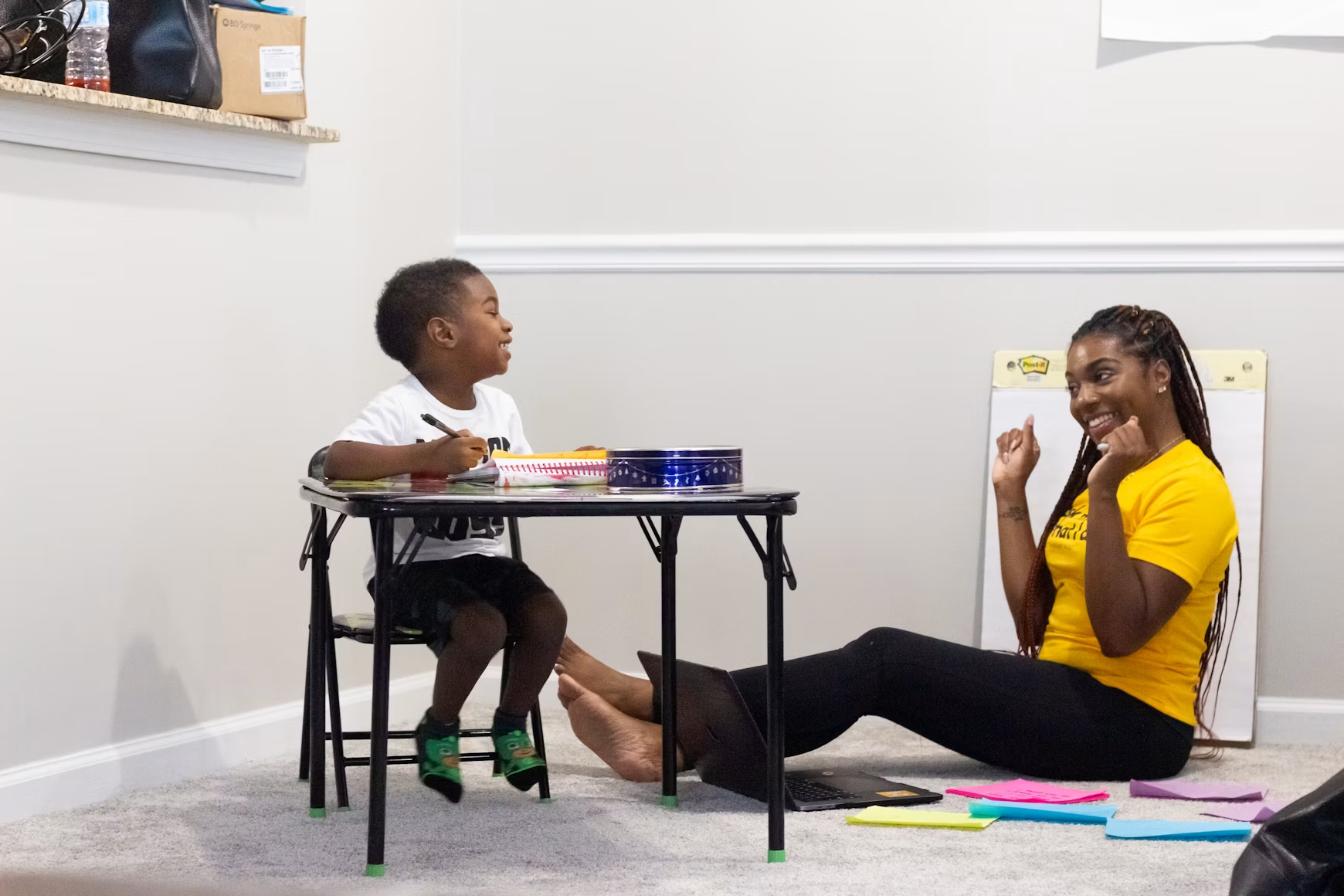
Every child sees the world differently. That personal perspective shapes how they absorb information, solve problems, ask questions, and understand new ideas. Many classrooms follow a standard curriculum that cannot always address each student’s individual needs. As a result, some children feel lost, overlooked, or convinced they simply are not good at school. Repeated frustration can make learning feel discouraging instead of interesting and rewarding. Over time, those difficult experiences may weaken a child’s confidence and willingness to try. Personalized support can help children recognize their strengths, approach challenges differently, and experience meaningful progress. But personalized learning can completely change this. It means shifting the focus from a rigid system to the individual child, creating a path to success that builds them up and helps them thrive.
Understanding Your Child’s Learning Preferences and Strengths
A key idea behind personalized education is recognizing that there isn’t just one “right” way to learn. Children process and engage with information differently. They may also prefer different approaches depending on the subject, activity, or situation. Paying attention to these preferences can help you discover tools that make learning feel more approachable and less frustrating.
Most children benefit from a combination of visual explanations, conversation, written materials, and hands-on practice. The goal is not to place your child into one permanent category. Instead, use what you observe to experiment with different ways of presenting information and supporting their progress.
Four Learning Preferences to Explore
The common types of learners framework can give parents a helpful starting point for exploring how their children prefer to engage with new information:
- Visual Preferences: Some children respond well to charts, diagrams, colorful pictures, demonstrations, and videos. A child who enjoys visual information may find it easier to understand a concept with an infographic or remember details when notes are color-coded. Flashcards with pictures and visual examples can also be helpful study tools.
- Auditory Preferences: Other children enjoy hearing information and talking through ideas. They may respond well to group discussions, verbal instructions, audiobooks, or reading their work aloud. Discussing a topic with you can help them organize their thoughts and strengthen their understanding.
- Reading and Writing Preferences: Some children feel especially comfortable working with written words. They may enjoy reading texts, taking detailed notes, making lists, looking up definitions, or expressing their ideas through essays and journaling. Quiet time and access to reading and writing materials can support these preferences.
- Kinesthetic Preferences: Children who enjoy hands-on activities may respond well when they can move, build, experiment, or interact with physical objects. A science experiment, model-building project, role-playing activity, or movement break may help them stay engaged while exploring a new concept.
Figuring out your child’s preferences isn’t about labeling them or limiting how they learn. It is about gathering clues that help you offer a variety of tools, build on their strengths, and make learning feel more natural and less like a chore.
The Power of One-on-One Attention
In a busy classroom with twenty or thirty students, it’s almost impossible for one teacher to give continuous, individual support to every child. This is where one-on-one attention becomes incredibly powerful. When a child works directly with a parent, mentor, or tutor, the whole learning dynamic changes. This focused setting creates a safe space where they can be open, ask questions they might be too shy to ask in front of their classmates, and work at their own speed without feeling rushed or judged.
This kind of dedicated guidance lets an educator see exactly where a child is struggling. Is it a specific math concept? Is it trouble with reading comprehension? Or is it an underlying worry about making mistakes? With personalized learning, the teaching can be adjusted right away to tackle these specific issues. If a child doesn’t understand an explanation one way, the educator can try a different approach, using other examples or tools until the concept clicks. This immediate feedback loop is crucial for stopping small misunderstandings from becoming big learning gaps. For families looking for this kind of tailored support, working with a parent, a trusted mentor, or even finding help through a tutoring company can make a big difference.
Building Self-Esteem Through Success
How well a child does in school is often deeply linked to how they feel about themselves. Constantly struggling can lead to feelings of not being good enough and a belief that they’re “not smart.” Personalized learning helps break this cycle by creating chances for success. It’s not about making things easy; it’s about making them achievable.
When learning tasks match a child’s abilities and are presented in a way that suits their learning style, they are set up to succeed. These “small wins” are incredibly important. For a child who dreads math, successfully solving a set of problems designed for their level can feel like a huge accomplishment. For a student who finds reading difficult, finishing a book they chose themselves on a topic they love can spark a new sense of achievement.
This process builds what psychologists call self-efficacy, which is the belief in one’s own ability to succeed. Each time a child masters a new skill or understands a tough concept, it reinforces the message that they are capable and that their effort pays off. This new confidence doesn’t just stay in the classroom. It spreads into other parts of their life, making them more willing to try new things, take on challenges, and bounce back from setbacks. The ultimate personalized learning guide highlights that this student agency is a key result, empowering children to take charge of their own educational journey.

Creating a Supportive Home Environment
While schools and tutors play a part, a child’s confidence often starts at home. Creating a home environment that champions learning and celebrates effort can have a deep impact, fostering a positive learning environment for students. This doesn’t mean turning your living room into a second classroom, but rather encouraging a culture of curiosity and resilience.
One of the most effective things you can do is shift the focus from grades to growth. Instead of asking “What grade did you get?” try “What did you learn from that project?” or “I’m so proud of how hard you worked on that.” This teaches your child that effort, perseverance, and the learning process are what truly matter. Celebrate their progress, no matter how small.
You can also find ways to weave learning into your daily routines. Cooking together can be a fun way to practice fractions and measurements. A trip to the grocery store can become a lesson in budgeting. A walk in the park can spark conversations about biology or physics. It’s about showing them that learning isn’t just something that happens at a desk but is a part of everyday life. To help your child with homework, establish a consistent routine and a quiet, organized space. Your role isn’t to give them the answers but to be a supportive guide, helping them find the resources they need to solve problems on their own.
Long-Term Benefits of Tailored Education
Better grades and passing tests are immediate and clear benefits of personalized learning, but the long-term advantages are even more significant. When children are taught in a way that respects their individuality, they don’t just learn subjects; they learn *how to learn*. This is a skill that will serve them for the rest of their lives.
A child who understands they are a kinesthetic learner will know to seek out hands-on projects in college or their career. A student who recognizes their strength as an auditory learner will know to record lectures or talk through complex ideas to understand them better. This self-awareness changes them from passive receivers of information into active, engaged learners who can speak up for their own needs.
Tailored education encourages independence and critical thinking. Instead of memorizing facts for a test, children learn to problem-solve, think creatively, and approach challenges with confidence. They learn that it’s okay not to know something and that there are strategies they can use to figure it out. This resilience is incredibly valuable in a world that is always changing. By investing in a personalized approach to your child’s education, you are not just helping them get through school; you are giving them the tools, confidence, and mindset to succeed in whatever path they choose.
When you understand and support your child’s educational needs, you give them something far more valuable than better grades. You show your child that you see their strengths, value their individuality, and believe in their ability to grow. That steady encouragement builds confidence during both successful moments and difficult challenges. Your support also helps them approach learning with greater curiosity, resilience, and courage. Those qualities can guide them throughout school and continue supporting them long after graduation.