
Smart Security Tech for Venue Owners and Event Creators in 2026
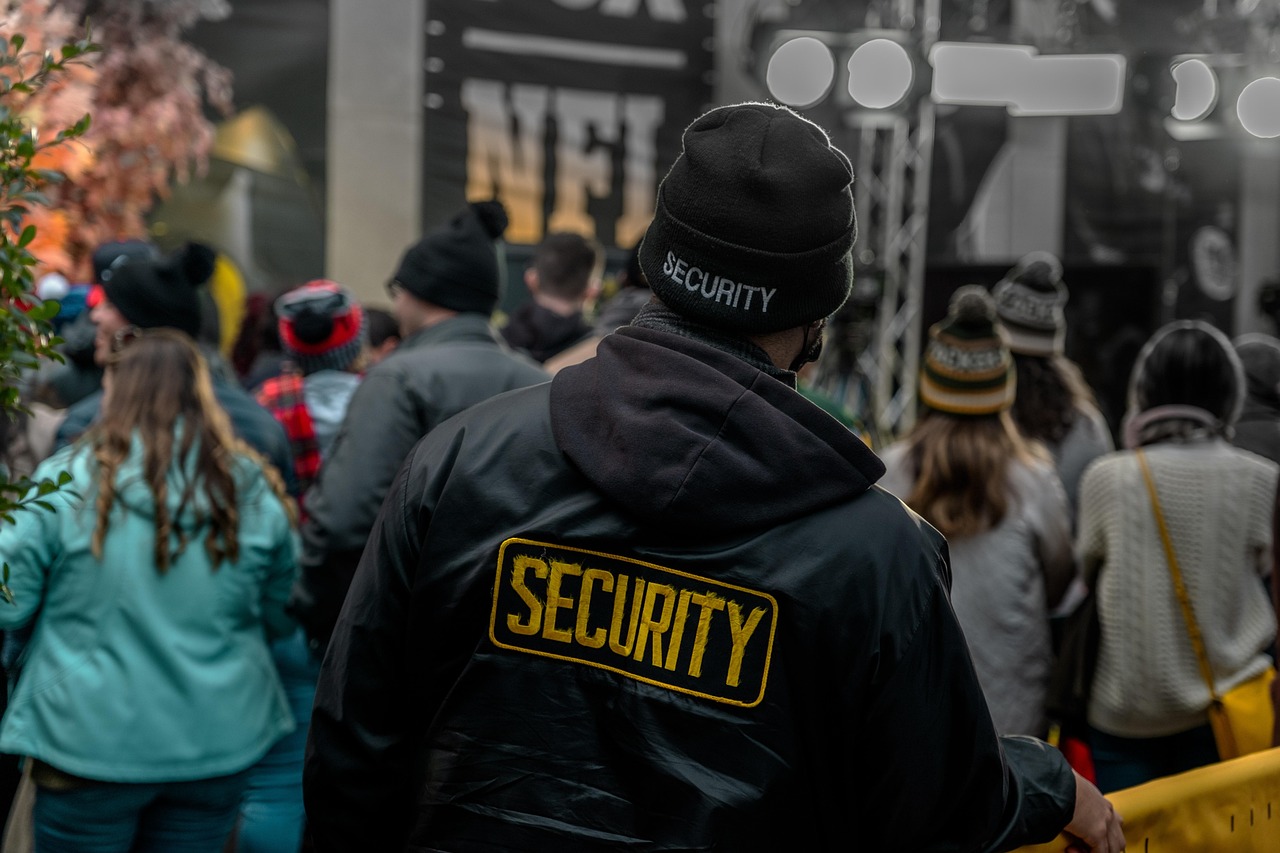
A packed event venue creates a tricky security problem. The more people you screen, the easier it is to create bottlenecks. Yet skipping stronger security is not an option. Venue owners and event creators now face weapons, unauthorized access, drones, crowd surges, and cyber threats.
The answer is not simply adding more guards, cameras, or checkpoints. Smart security uses connected technology to spot risks earlier, move legitimate guests through faster, and help teams respond when something goes wrong.
From frictionless weapons detection to AI video analytics and drone monitoring, today’s tools can protect both people and the event experience. The key is knowing which technologies fit your venue and how they should work together.
How to Build a Smarter Venue Security Strategy
A smarter security plan starts with the venue itself. Before choosing specific tools, work through a few practical questions about your risks, traffic, and operations.
Start With the Threats Your Venue Actually Faces
Before buying new equipment, look at how people, vehicles, and staff move through your property. Consider your venue’s size, layout, attendance, entry points, VIP areas, vehicle access, and event type. An outdoor festival faces different risks than a theater with controlled entrances. A permanent venue also has different needs than a temporary event.
Start with the problem. Then choose the technology that addresses it.
Prioritize High-Traffic Entry Points
Entrances deserve special attention because they bring crowds, time pressure, and security checks together. Slow screening can create long lines and frustrated guests. In some settings, crowding can become a safety concern of its own.
The right screening setup also depends on how long you need it. A permanent venue may justify fixed equipment, while a festival, concert, or one-time event may need a solution that can be deployed for a limited period.
A walk-through metal detector rental can make sense when temporary screening is part of the security plan. The right setup still depends on expected traffic, staffing, screening procedures, and the venue’s threat profile.
Think in Layers, Not Individual Devices
The best venue security uses several layers that work together. Think of the system as perimeter, entry, interior spaces, restricted areas, airspace, and digital infrastructure. Each layer handles a different part of the security challenge.
Cameras can spot activity inside the venue. Entry systems can screen guests. Perimeter sensors can flag movement before someone reaches a gate. Drone detection adds another layer above the crowd.
The 2026 FIFA World Cup is a useful example. AP News reported that security planning involves federal, local, and private coordination, along with surveillance, AI-powered cameras, counter-drone capabilities, and real-time operational centers.
Those capabilities address different risks, from monitoring large crowds to detecting threats in the air and coordinating a response. The example shows why major events need several connected layers rather than one security device.
Choose Technology That Reduces Friction
Security technology should protect people without making normal entry harder than necessary. Look at throughput, false alarms, mobility, setup time, indoor or outdoor use, staffing, accessibility, and privacy.
GXC Inc. emphasizes that choosing walk-through detection technology should start with the venue’s specific screening needs, including traffic levels, threat profile, deployment environment, and desired throughput. That same thinking applies to other security tools. A useful system should fit the way your venue actually operates.
Plan for Response, Not Just Detection
An alert only helps if someone knows what to do next. Decide who receives alerts, who verifies them, and how quickly staff should respond. Also consider whether your team can view nearby camera footage, control access points, or contact other responders. Write these steps down and practice them. Good technology cannot make up for an unclear response plan.
The Smart Security Technologies Reshaping Venues
Once you have a clear security strategy, you can look at the technologies that support it. The right mix will depend on where your biggest risks occur and how your venue operates.
Frictionless Weapons and Perimeter Detection
Next-generation screening tools can make entry smoother while helping staff identify potential weapons. Some systems are designed for mobile use, while others fit permanent checkpoints. Security can also begin before guests reach the gate.
Thermal imaging, license plate recognition, perimeter sensors, and geofencing can help identify unusual activity earlier. For vehicle threats, smart gates and crash-rated barriers can add another layer of protection.
Claire Partain recently reported in the Houston Chronicle on HISD’s security upgrades for the 2026-27 school year. The district planned to continue weapons detection at its high schools while pairing it with visitor identification, officers, volunteers, and other security measures.
This combination reinforces a practical point for venue owners. Screening technology works best as part of a broader security plan. Detection is only the first step. Trained staff still need to assess the alert, determine the appropriate response, and act quickly.
Proactive AI Video Analytics and Computer Vision
Traditional CCTV records what happened. AI-assisted video analytics can help security teams identify what may be happening right now. These systems can flag falls, unattended bags, restricted-area entry, visible weapons, or unusual movement. Crowd analytics can also help identify density changes, bottlenecks, and sudden surges.
But more cameras do not automatically mean better security. WIRED reported that Madison Square Garden’s controversial surveillance cameras briefly went dark during private events involving Taylor Swift and Travis Kelce.
The incident highlighted how surveillance systems can create operational and privacy questions beyond their ability to detect threats. For venues, the broader lesson is that AI surveillance needs clear rules around privacy, data retention, access, and system control.
Identity-First Access and Smart Wearables
Digital credentials can reduce some of the weaknesses that come with paper tickets and shared badges. Venues can use smartphone tokens, touchless biometrics, and other digital credentials to manage access. RFID and Bluetooth Low Energy wearables can also help manage festivals, VIP areas, and staff zones. But convenience should not come at the expense of clear data practices.
The Guardian recently reported that U.S. law enforcement agencies have raised concerns about Meta smart glasses being used to record sensitive areas without authorization. Some federal agencies have restricted smart-glasses use in the workplace because of concerns about unauthorized recording and sensitive information.
For venue operators, the lesson is simple. Set clear rules for recording devices and wearables, especially in restricted or sensitive areas.
Airspace Security
Open-air venues face a security problem that traditional checkpoints cannot solve. An unauthorized drone can enter from above without passing through a gate. Counter-drone systems can use radar and radio signals to detect and track aircraft. Some mitigation technologies can disrupt control signals or support other responses where legally permitted.
Venue owners should treat drone security as both a technology and policy issue. Laws, airspace restrictions, and event conditions can affect what operators can legally do. The goal is not simply to spot a drone. It is to determine whether it poses a real risk and have a clear response ready.
Cybersecurity
Connected security creates another challenge. Physical systems now depend on digital networks. Cameras, access controls, lighting, digital signs, gates, and sound systems can all become part of the same connected environment.
Unified platforms can help operators see an access alert, pull up nearby camera footage, and share information from one place. That can shorten the time between spotting a problem and taking action.
But connected devices can also create more opportunities for cyberattacks. Strong passwords, access controls, software updates, network segmentation, and vendor security practices should all be part of the venue’s security plan. A hacked camera or access-control system is not just an IT problem. It can become a real-world security problem.
FAQs
Should every venue invest in the newest security technology?
No. Choose technology based on your actual risks, venue layout, event size, staffing, and budget. The newest system is not always the best fit if it adds complexity without addressing a real security need.
Does faster screening mean less effective screening?
Not necessarily. The right system can improve throughput while maintaining appropriate screening when matched to your venue, procedures, and threat profile. Staff training and proper setup also play an important role.
Can AI video surveillance replace security personnel?
No. AI can identify patterns and generate alerts, but trained personnel still need to verify situations and make decisions. Human oversight also helps teams respond appropriately when technology produces a false or unclear alert.
What is the biggest mistake venues make with smart security?
Buying disconnected tools without planning how they will work together can create security gaps. Your team should know how to spot a threat, verify it, alert the right people, and respond.
Key Insights
| Security challenge | Packed venues must balance stronger screening with faster guest flow and fewer bottlenecks. |
| Layered security | Effective strategies combine perimeter, entry, interior, restricted-area, airspace, and digital security. |
| Weapons detection | Screening can be paired with visitor identification, security personnel, volunteers, and other protective measures. |
| AI video analytics | AI can flag falls, unattended bags, restricted access, visible weapons, unusual movement, and crowd-density changes. |
| Smart wearables | Digital credentials, RFID, and Bluetooth Low Energy wearables can help manage guest, VIP, and staff access. |
| Connected security | Cameras, access controls, gates, lighting, and other systems can work together, but connectivity also creates cybersecurity risks. |
Conclusion
Smart venue security is moving beyond isolated devices. The strongest strategies combine screening, surveillance, access control, drone detection, and cybersecurity. But technology should support the strategy, not replace it.
Start by identifying your biggest risks and the points where security gaps could create problems. Then choose tools that address those risks without slowing down legitimate guests. Make sure your systems can communicate, train your staff to respond to alerts, and review your procedures regularly.
For venue owners and event creators, smart security is not about adding more barriers. It is about creating a safer experience with fewer unnecessary obstacles while keeping people, operations, and the event itself protected.