
How to Make Your Business Warehouse or Stockroom More Efficient
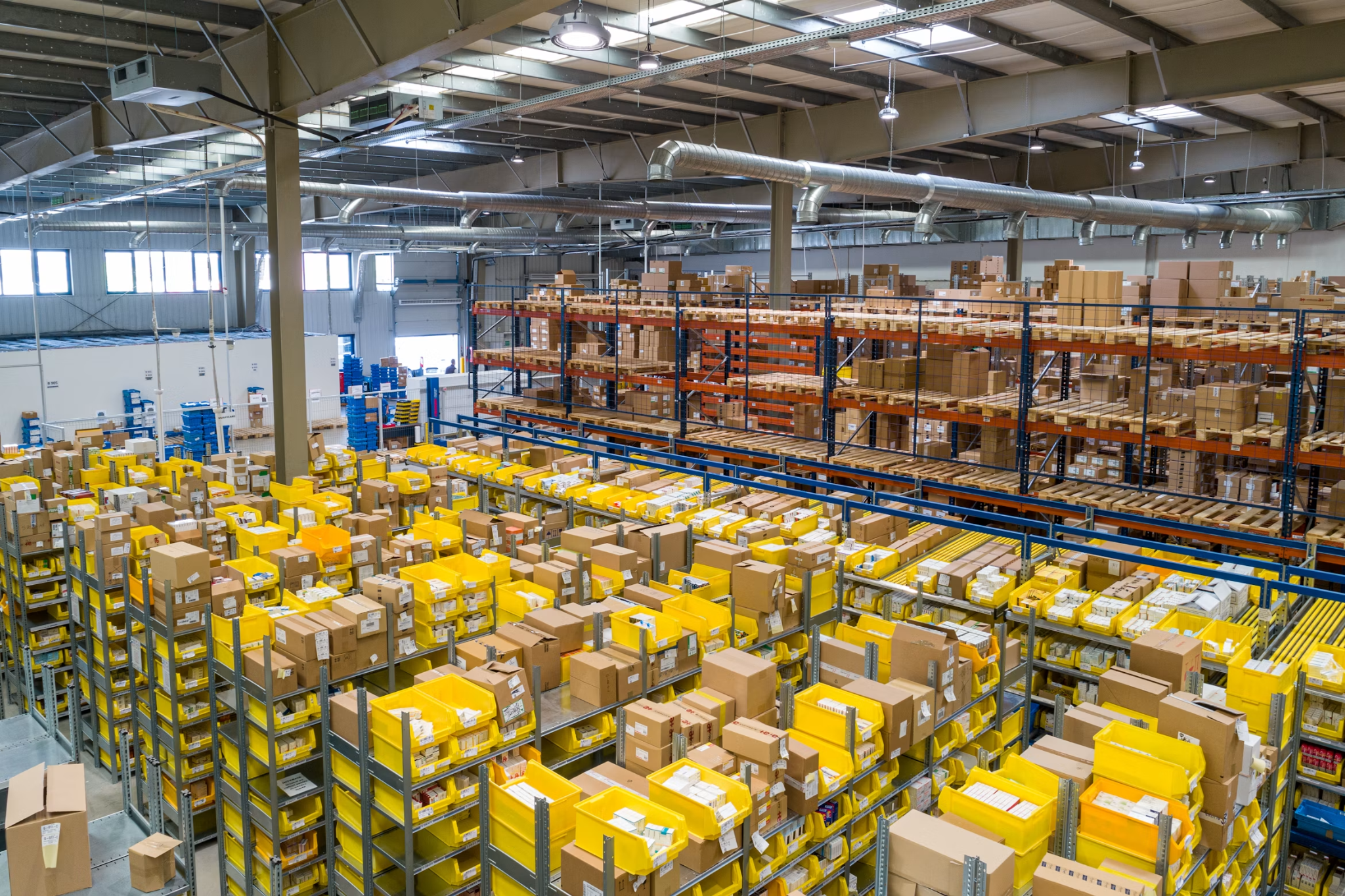
An overflowing stockroom is a common problem for any business that sells physical products. What starts as a spare room or a corner of the garage can quickly become chaotic, costing you time, money, and peace of mind. When you can’t find what you need, you risk overselling items, missing shipping deadlines, and feeling constantly overwhelmed. With a bit of strategy, you can turn your stockroom into a streamlined, functional part of your business that supports growth.
Start with a Clean Slate and a Smart Layout
Before you can organize, you need to know exactly what you have. First, completely empty your space. Pull everything out so you can see it all at once. This is the perfect time to sort through your inventory, remove damaged or obsolete products, and take a full count of what you have. It might feel like a huge task, but it’s the only way to truly reset your stockroom.
Once the space is clear, think about the layout. A well-planned flow can make a world of difference. Designate specific zones for key activities such as a receiving area for new shipments, a primary storage area for your inventory, and a packing station with all your shipping supplies. Arrange these zones logically to minimize the number of steps you take. For example, place your packing station close to your stored inventory and near the exit. Taking the time to efficiently organize a stockroom from the ground up prevents clutter from building back up.
Choose the Right Storage for Your Space
Storage solutions are the backbone of an organized stockroom. Avoid piling boxes on the floor. Instead, think vertically. Shelving is the best way to maximize space and keep products visible and accessible, which is key to effective business space design. Simple wire or metal shelving units work well for most small businesses, as they are adjustable and durable.
For businesses with heavier or bulkier items, industrial-grade shelving or even professional pallet racking can maximize your vertical space safely and effectively. Use clear, uniform bins to group smaller items together and label everything consistently. When every bin, shelf, and box has a designated home, you and your team will always know where to find things and where to put them away.
Implement a Clear Inventory System
Once your physical space is organized, you need a system to track everything. A disorganized inventory system is just as chaotic as a messy room. The goal is to know what you have and where it is at all times. One common method is “First-In, First-Out” (FIFO), where you arrange your stock so the oldest items sell first. This is especially important for products with an expiration date or those that can go out of style.
A good stockroom organization system helps you find what you need quickly and prevents costly errors. For some businesses, a simple spreadsheet is enough to get started. You can track product names, SKUs, quantities, and their location in the stockroom. As your business grows, you might consider investing in inventory management software that can automate counts and integrate with your sales platform. This technology can save you countless hours and provide valuable data on sales trends.
Create a Routine for Maintenance and Safety
An organized stockroom won’t stay that way on its own. The final step is to create simple routines to maintain your new system. Schedule a quick 15-minute tidy-up at the end of each day or week to put away stray items and break down boxes. It’s also wise to schedule regular inventory spot-checks to ensure your records are accurate.
Safety should also be a top priority. Keep your aisles and walkways clear of boxes and clutter to prevent trips and falls. Make sure your shelving units are stable and not overloaded. If you have to store items up high, always use a sturdy step stool or ladder. These small, consistent habits are what will keep your stockroom running smoothly long-term.
Dedicating time to creating an efficient stockroom can help you build a stronger foundation for your business. It can free up your time and energy so you can focus on what you do best.