
Empowering People with Disabilities through Education
Education changes lives by unlocking doors to personal growth and independence. Every student deserves a fair chance to learn, build practical skills, and increase self-confidence. Accessible learning spaces give individuals the tools needed to navigate daily life with autonomy. Building inclusive classrooms strengthens whole communities when every learner receives equal opportunities to participate.
Breaking Down Educational Barriers
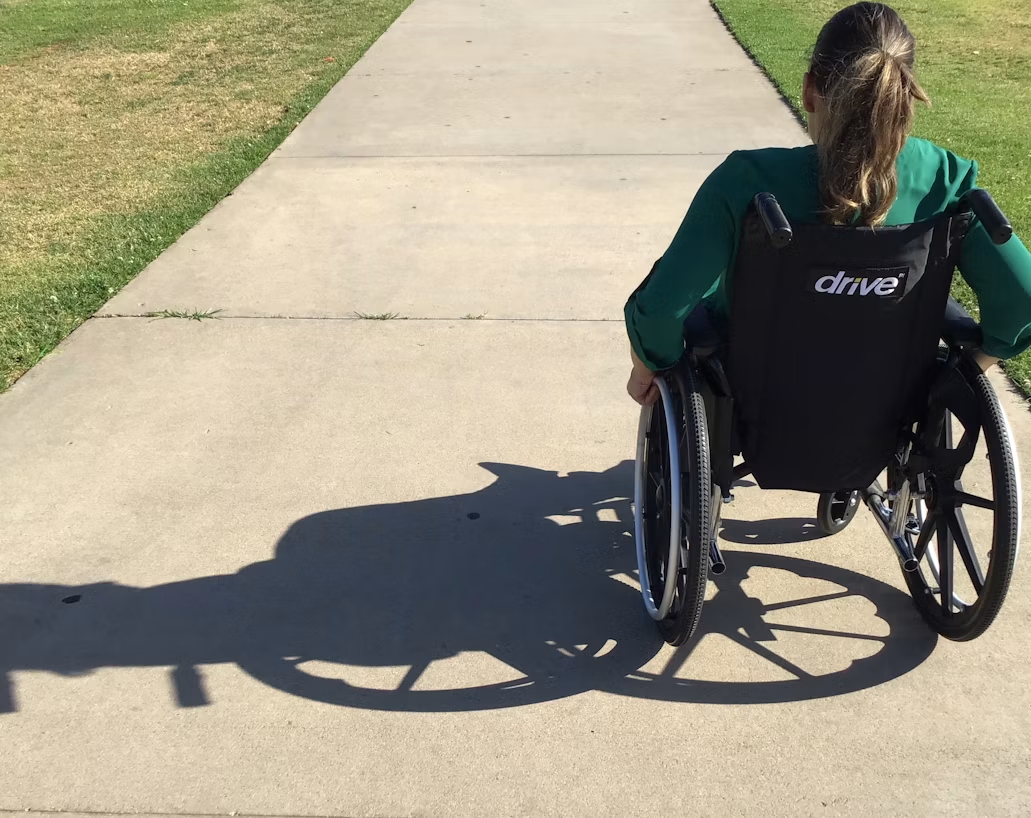
Traditional classrooms often present physical and procedural hurdles for learners who require tailored assistance. Many educational initiatives in Moreton Bay focus on creating accessible environments where every student thrives. These programs provide adaptive tools so individuals master daily tasks with ease.
Tailored support helps bridge learning gaps created by rigid teaching methods. Adaptive materials allow students to engage with core subjects without constant frustration. Educators adjust lesson plans to match the unique learning speed of each individual.
Classroom modifications remove physical obstacles that restrict movement. Adjustable desks and specialized technology give learners full physical access to study materials. Supportive staff guides participants through each activity to build confidence step by step.
Building Practical Life Skills
Gaining independence requires hands-on training tailored to individual capabilities. Personal development grows through clear information, structured education, and practical life skills training. These courses give individuals practical daily skills that build real self-reliance day after day.
Mentors work directly with participants to identify personal strengths. Daily routines become manageable steps when learning happens in supportive spaces. Students practice budgeting, meal preparation, and personal organization in real environment setups.
Instructors encourage active participation during group skill sessions. Collaborative exercises teach problem-solving and effective communication. Learners gain practical tools that apply directly to home and community living.
Local Plans for Civic Accessibility
Inclusive environments extend far beyond classroom walls into public spaces. City planners focus on improving accessibility across key areas, including buildings, public transport, parks, council services, and community programs. Equal access to public facilities supports ongoing learning outside traditional school settings.
Accessible infrastructure lets participants travel safely between home and training centers. Public spaces become welcoming areas for lifelong education and social engagement. Smooth walkways, clear signage, and accessible transit routes remove travel anxiety for learners.
Community centers host inclusive educational workshops throughout the calendar year. Local governments gather feedback from participants to guide future infrastructure projects. Public investments keep civic programs open to residents of all abilities.
Core Components of Inclusive Learning
Effective training programs rely on several fundamental pillars to support diverse learning styles. Key elements include:
- Adaptive technology tools created for custom classroom assignments
- Individualized support plans crafted for specific personal goals
- Community skill-building workshops offered in accessible local venues
- Mentorship programs connecting learners with experienced adult guides
- Accessible learning materials printed in multiple formats for easy reading
These elements create flexible pathways for personal achievement. Students gain practical skills at a pace suited to their needs. Tailored curriculum options prevent any student from getting left behind during group instruction.
Vocational Training and Career Development
Vocational training connects classroom knowledge to real workplace settings. Specialized courses teach job skills that open doors to local employment opportunities. Instructors guide participants through mock interviews and resume preparation exercises.
Local businesses benefit from welcoming diverse talents into their workforce. Guided internships give individuals real confidence as they enter the job market. Employers receive guidance on creating supportive workplaces for new hires.
Continuous learning opportunities keep professional skill sets relevant year after year. Workplace support systems allow workers to keep growing in their chosen fields. Career coaches assist employees with workplace adaptations to maintain long-term success.
Expanding Community Connections
Social connection acts as a cornerstone for successful learning journeys. Group activities allow participants to practice communication techniques in relaxed social settings. Learners share experiences and encourage one another during weekly workshops.
Shared learning experiences build strong friendships among program participants. Supportive peer networks create safe spaces where individuals celebrate personal accomplishments. Group outings teach participants how to navigate social settings with confidence.
Community partnerships expand the reach of local education programs. Local clubs and recreation centers offer inclusive activities alongside formal classes. Social inclusion helps learners build lasting relationships within their local neighborhoods.
Modern Assistive Technologies in Education
Technology plays a major role in opening educational doors for all learners. Screen readers, speech-to-text software, and customized tablets give students instant access to digital information. Learners use these digital tools to complete assignments with greater independence.
Training programs teach participants how to use modern hardware and software effectively. Computer labs equipped with specialized devices allow students to practice digital skills. Mastery of modern technology prepares participants for modern educational and employment settings.
Digital literacy programs adapt to rapid changes in instructional software. Instructors evaluate new devices to find options that suit specific physical or cognitive needs. Access to modern tools helps bridge the digital divide for all learners.
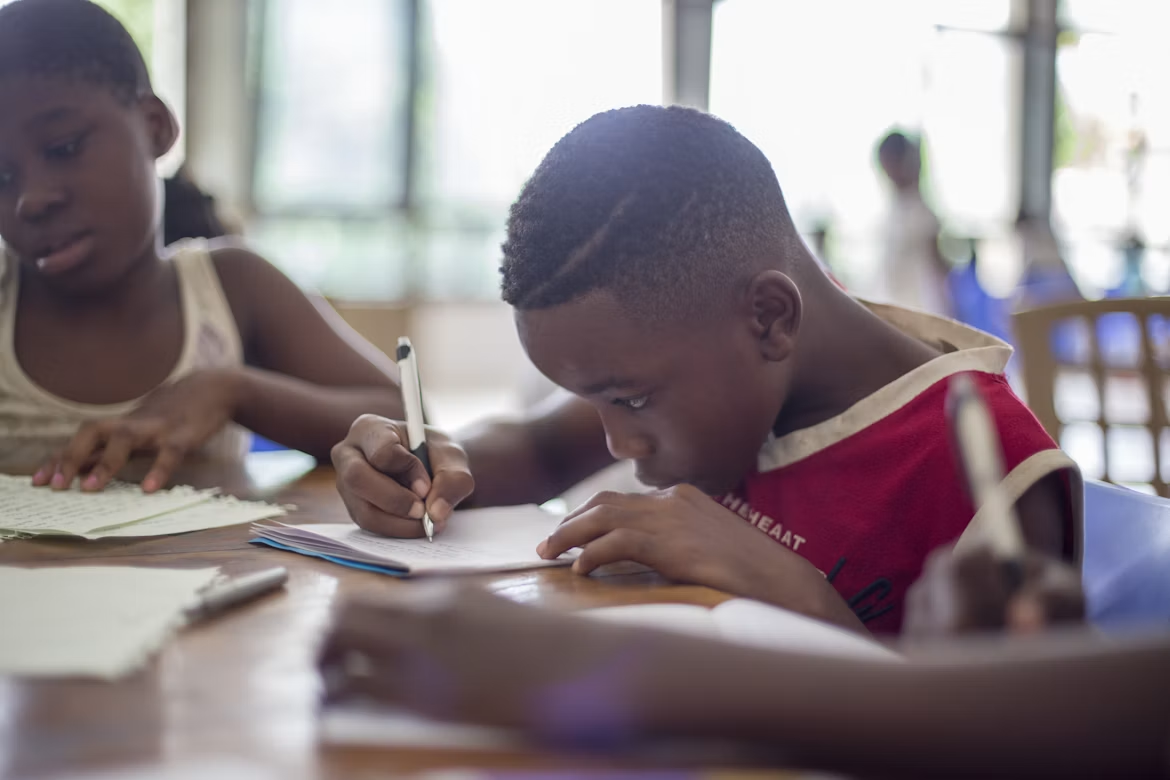
Education remains a powerful force for personal growth and autonomy. Removing physical and instructional barriers allows every learner to reach their full potential. Strong local networks and specialized support programs pave the path forward for lifelong success. When communities open doors for all individuals, everyone gains stronger connections and collective progress.