
Rethinking Financial Freedom When Your Home Holds Value

Many individuals enter retirement with significant wealth tied up directly in their primary residence. Cash flow often remains surprisingly tight even when property valuations rise steadily throughout surrounding neighborhoods over long periods.
Rethinking traditional approaches to managing personal assets opens up useful choices for mature homeowners. Modern equity release strategies offer practical opportunities to convert built-up housing value into accessible funds without selling off property or moving away.
Understanding the True Meaning of Equity
Homeownership represents the single largest asset category for mature property owners across the country. Understanding how this balance builds across many decades helps clarify your total financial standing when planning long-term budget requirements for daily living expenses.
Equity reflects the current market value of your home minus any loan amounts still owed against the property. Calculating this specific figure provides a clear snapshot of accessible housing wealth for immediate or future financial planning needs.
Converting tied-up value into spending power changes how households handle everyday living costs. Strategic budget planning improves significantly when real estate wealth joins liquid cash accounts as an active source of regular retirement funds.
Unlocking Wealth Without Moving Away
Downsizing was previously treated as the primary method for extracting money stored inside residential real estate. Moving away from a long-term residence creates physical stress, high transactional expenses, and disrupts established social routines within local communities.
Modern borrowing tools offer flexible paths for older adults seeking greater financial flexibility. Options such as Borro reverse mortgages can allow eligible homeowners to access some of their home equity while continuing to live in their property. This approach can provide financial support without requiring a major lifestyle change or relocation.
Remaining in a cherished house supports emotional stability and preserves deep community connections. Avoiding relocation eliminates real estate agent commissions, legal paperwork costs, stamp duty fees, and moving company bills entirely.
How Reverse Mortgages Function for Retirees
Specialized loans feature clear rules created to fit the unique lifestyle requirements of senior borrowers. These products differ from standard mortgages in terms of monthly payment obligations, income assessments, and balance structures.
A reverse mortgage operates as a specialized loan allowing qualifying homeowners age 62 or older to convert property wealth into cash without selling.
Full balance settlement occurs later when the owner permanently moves, sells, or transfers the property. Interest accumulates on drawn balances rather than demanding immediate cash payments out of pocket.
Evaluating the Global Growth of Home Equity Options
Demand for property funding options has expanded across international financial markets in recent periods. Financial institutions continue refining equity product structures to serve growing populations of mature property owners seeking liquidity without selling off assets.
Projections indicate the global market for equity release will reach $56 billion by 2035 compared to $17 billion in earlier periods. Broader market adoption gives consumer groups greater product selection, lower transaction fees, and improved borrower protections.
Several key factors push this market growth forward across distinct regions:
- Longer life spans requiring stronger financial resources over multi-decade retirements
- Steady appreciation in residential real estate valuations across suburban areas
- Stronger regulatory oversight protecting consumer interests and property ownership rights
Rebalancing Retirement Portfolios for Long-Term Security
Retirement plans encounter severe strains when relying purely on stock dividends or low-yield bank deposits. Diversifying cash access methods helps maintain financial independence during unpredictable economic conditions and market downturns.
Drawing against property assets reduces dependence on stock markets during broader financial downturns. Protecting traditional investment portfolios from forced liquidations preserves long-term growth capacity and avoids unnecessary capital losses during market corrections.
Financial planners frequently encourage clients to view home equity as an active pillar of stability. Direct capital access supports ongoing healthcare expenses, home renovations, or emergency costs without breaking existing household budgets.
Protecting Heritage and Managing Legacy Goals
Passing valuable real estate down to family members represents a primary priority for many mature property owners. Balancing inheritance goals against current personal daily comfort demands careful thought and strategic structure during retirement years.
Modern financial protections guard against total balance amounts exceeding the actual property value at sale. Heirs routinely receive remaining equity balances after initial loan commitments settle cleanly through property sales or refinancing.
Open discussions with family members build mutual understanding regarding future estate plans and borrowing arrangements. Setting realistic expectations prevents confusion regarding property values and inheritance distributions down the road.
Choosing the Right Strategy for Personal Independence
Personal financial decisions depend on matching short-term cash needs with long-range budget projections. Evaluating daily lifestyle priorities helps establish appropriate borrowing limits that support comfortable living throughout retirement.
Seeking advice from independent advisors provides valuable perspective when evaluating competitive loan structures. Specialist guidance maintains clarity regarding tax obligations, estate planning considerations, and government benefit impacts for every individual situation.
Taking charge of personal finances empowers individuals to experience retirement years with genuine confidence. True freedom comes from deploying available property wealth effectively to create sustainable daily peace of mind for the future.
Managing retirement finances requires fresh thinking regarding primary residence value and total personal wealth. Treating home equity as a flexible asset opens new pathways toward dynamic independence and comfortable living standards for older homeowners.
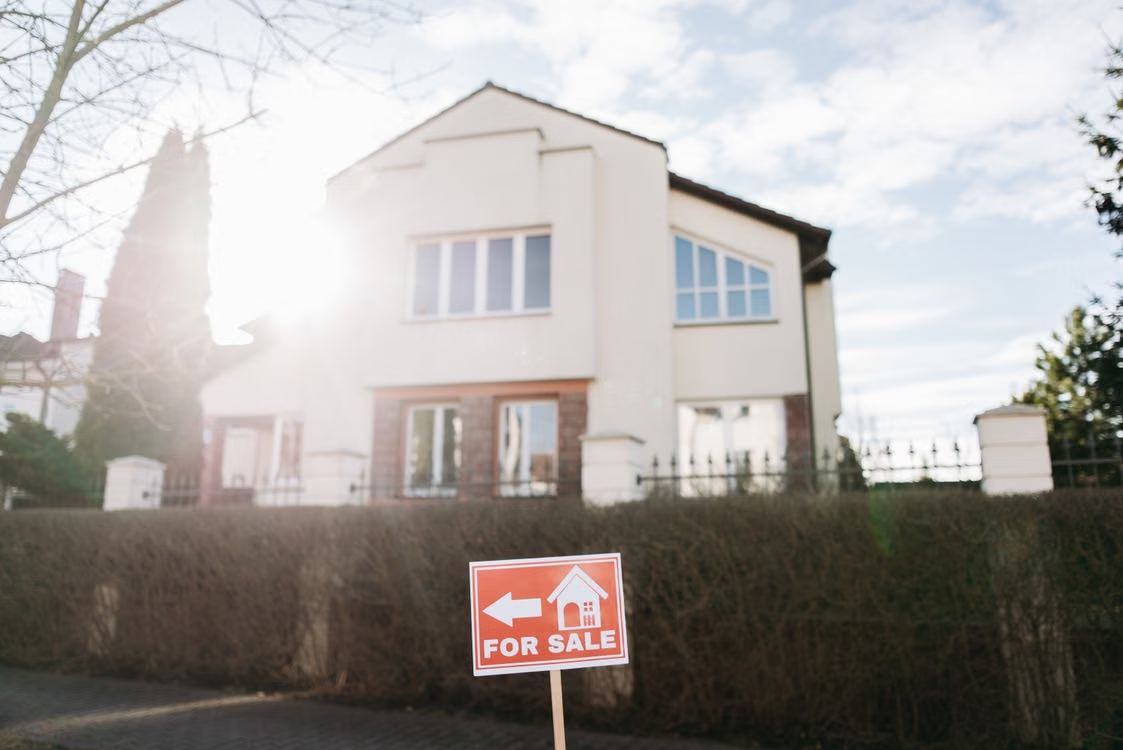
Thoughtful planning creates secure outcomes for years down the road. Property owners can attain long-term financial peace and remain firmly grounded in the comfort of home.
This article offers general educational information, not individualized financial, tax, legal, or housing advice. Before making a decision, compare alternatives and speak with a HUD-approved housing counselor and qualified financial, tax, or legal professionals.