
Crafting Your Brand Experience for Impact
In today’s busy market, a brand that sticks with people is more than just a cool product or a catchy logo. It’s about how customers feel every time they deal with your business.
This is your brand experience, and really thinking about how you shape it is one of the best ways to build a loyal fan base. It’s what turns a single sale into a lasting connection. When you get it right, a strong brand experience makes customers feel seen, understood, and truly connected to what you’re all about.
Defining Your Brand’s Essence
Before you can build an experience, you need to figure out who you really are. Your brand’s core is like its soul, made up of your mission, values, and the personality that makes you special.
Start by asking yourself some basic questions: Why are we here, beyond just making money? What rules guide how we make decisions? If our brand were a person, what would they be like? Are you someone who’s new and daring, or more caring and supportive? Pinpointing this core idea will be your guiding light.
For instance, a skincare brand focused on being “natural, gentle, and clear” will create a totally different experience than one that’s “clinical, powerful, and all about results.” The first might use soft colors, smooth textures, and personal stories in its ads, while the second might go for clean lines, scientific facts, and endorsements from experts.
Designing Immersive Encounters
Once you know your brand’s core, you can start designing interactions that bring it to life.
A brand experience is every single time a customer connects with you, whether online or in person. Think about their whole journey, from the first time they hear about you to long after they’ve bought something. Every interaction should feel consistent and back up your brand’s main message.
The goal is to build immersive brand experiences that grab people’s attention and create an emotional bond.
There are lots of ways to do this. Your website’s design, the vibe of your social media posts, your product packaging, and even your customer service emails all play a part. Think about how you can use stories, personal touches, and community building to make your audience feel like they’re part of something bigger.
Bringing Experiences to Life Physically
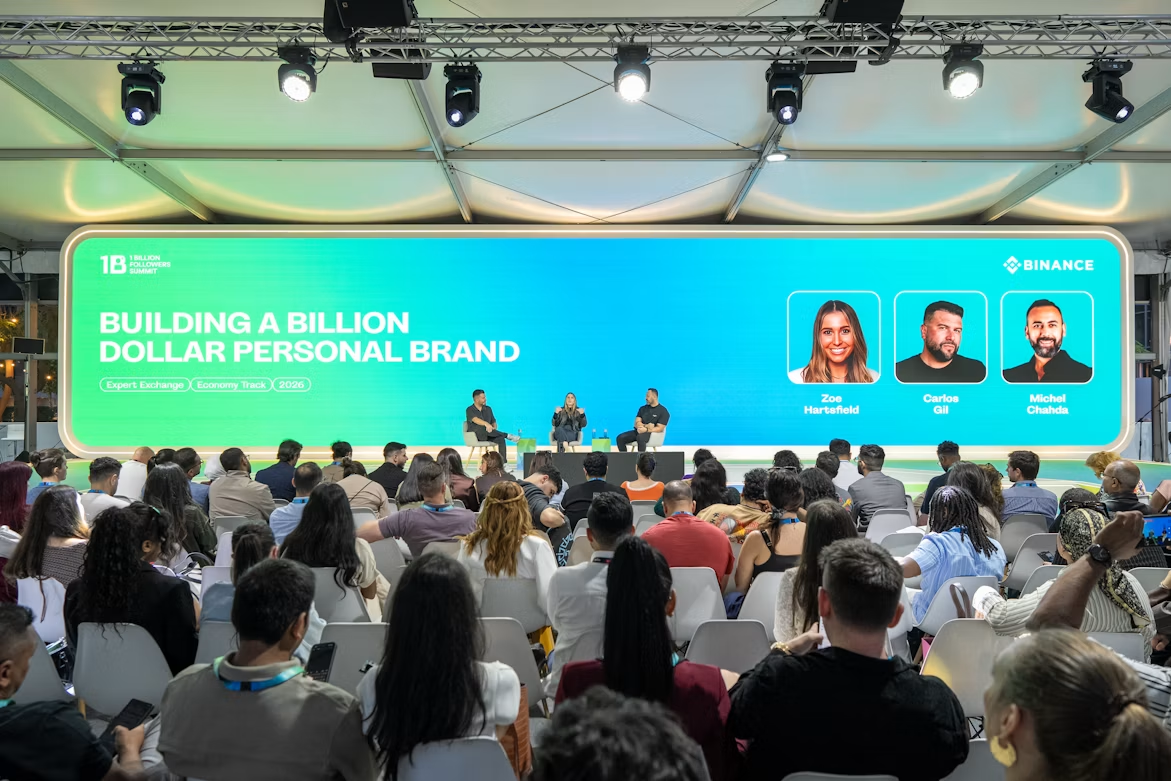
While online interactions are super important, real-life experiences can leave an even deeper, more lasting impression. Events, pop-up shops, or trade show booths give customers a chance to step right into your brand’s world. Here, you can control everything, from the lighting and music to the smells and textures. Or if you want to go further, a well-designed physical space by a trusted tradeshow install and dismantle provider can make your brand feel real and easier to remember.
The practical side of these events is just as crucial as the creative vision. A beautiful booth or pop-up loses its magic if it’s put together badly. Every little detail matters, from how sturdy the display is to how smoothly everything gets set up. This lets you focus on chatting with your audience, knowing that your brand’s physical presence is in good hands.
Measuring the Impact of Experiences
Building a great brand experience is a creative effort, but you need to see what’s actually working. Tracking the right numbers helps you fine-tune your plan and show its worth. While sales are an obvious sign, a strong brand experience often has wider, more subtle effects.
Look at a mix of what people say and what the data shows:
- Customer Feedback: Use surveys, reviews, and direct chats to ask people how they feel about your brand.
- Social Media Engagement: Keep an eye on mentions, shares, and content people create about your brand experiences. A jump in positive comments after an event is a fantastic sign.
- Website Analytics: Check things like how long people stay on your site, if they leave quickly, and how many come back. A good brand experience should make people want to explore more.
- Customer Loyalty: Measure how often people buy again and how much they spend over time. Happy customers who feel connected to your brand are more likely to stick around.
Evolving Your Brand Story
Creating a brand experience isn’t a one-time task. It’s a living, breathing part of your business that should grow with your audience and the market. The feedback you get is super valuable for this process. Listen to what your customers are saying, watch how they interact with your brand, and don’t be afraid to change things up.
Evolving also doesn’t mean ditching your core identity. Instead, it means finding fresh and relevant ways to show it off. As your business grows, your brand story will grow right along with it. By regularly checking in with your purpose and your people, you can make sure your brand experience stays impactful, real, and meaningful for years to come.