
Battery Chainsaw vs. Petrol Chainsaw: Which One Should You Choose?
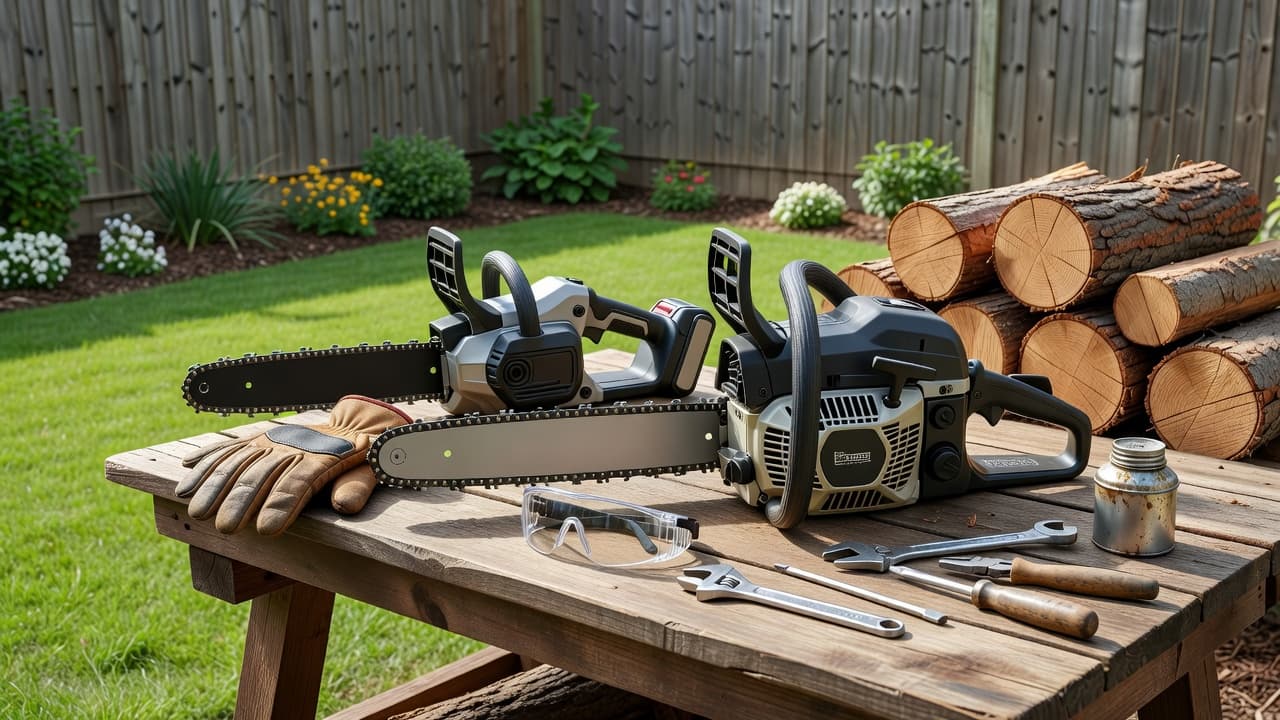
Chainsaw buyers in Australia face a genuinely tricky choice right now. Battery technology has improved faster than most people expected, and petrol saws haven’t stood still either. The battery versus petrol chainsaw debate has changed as battery technology continues to improve. Neither option is automatically the best choice anymore. Your decision should depend on the work you plan to do and how often you’ll use the saw. This guide compares power, running costs, maintenance, and overall practicality. With the right information, you can choose a chainsaw that serves you well for years.
Battery vs Petrol Chainsaw Performance
A battery-powered chainsaw draws its power from a lithium-ion battery pack, which means instant torque from the moment you pull the trigger, with no warm-up and no choke to fiddle with. Modern 40V and 60V platforms from mainstream brands cut through timber with a consistency that surprised a lot of experienced users when they first tried them. The limiting factor isn’t usually raw cutting force for typical yard work. It’s battery capacity. A single charge on a mid-range unit handles around 30 to 50 minutes of active cutting, which is plenty for lopping branches or clearing a fallen gum tree from the driveway. Push beyond that, and you’re either swapping packs or taking a break. For most suburban and semi-rural homeowners, that runtime is more than enough. But if your property is large or you spend full days on the saw, the picture shifts quickly.
What Petrol Brings to Bigger Jobs
Petrol chainsaws run for as long as there’s fuel in the tank. That’s their single biggest practical advantage, and it matters enormously on large rural properties or during commercial land-clearing jobs. A 50cc to 70cc petrol saw delivers more raw power than most battery platforms available today. That extra power cuts through dense hardwoods like ironbark and red gum much faster. Petrol models also support longer guide bars, often measuring 45 centimeters or more. Longer bars make it easier to fell larger trees with fewer passes. Most battery saws cannot match that performance on oversized timber.
Petrol saws do have drawbacks, though. They create more noise and vibration during extended cutting sessions. Professionals may accept those trade-offs, but fatigue builds over a full day. Cold weather can also make starting a petrol saw more difficult. The problem often gets worse after several weeks without use. Stale fuel left in the carburettor can make starting even more frustrating.
Where Battery Models Hold Their Own
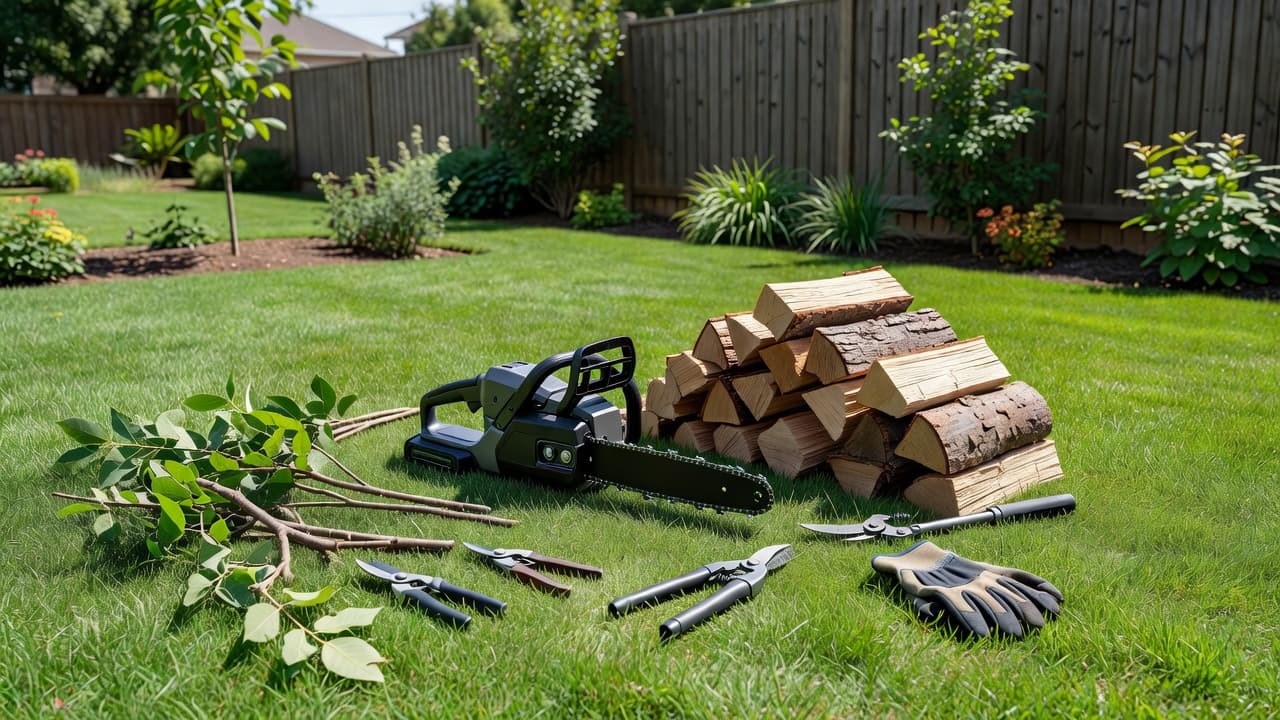
Battery saws are quieter, lighter, and far simpler to start. Press a button, and you’re cutting. There’s no two-stroke oil to mix, no air filter to clean every few hours, and no carburettor to rebuild after a long storage period. For jobs around the home, like pruning fruit trees, trimming overgrown shrubs, or cutting up firewood in the backyard, a battery saw is genuinely more comfortable to use. Weight matters too. Many battery models come in under 4 kilograms without a pack, which makes overhead cuts and awkward angles much less tiring. And because there’s no exhaust, you can use them in enclosed spaces or near vegetable gardens without worrying about fume drift. Don’t mistake convenience for weakness. In a direct timed test on 30-centimeter pine logs, current-generation battery saws regularly match petrol units of similar bar length, which says a lot about where the technology now sits.
Battery vs Petrol Chainsaw Costs and Maintenance
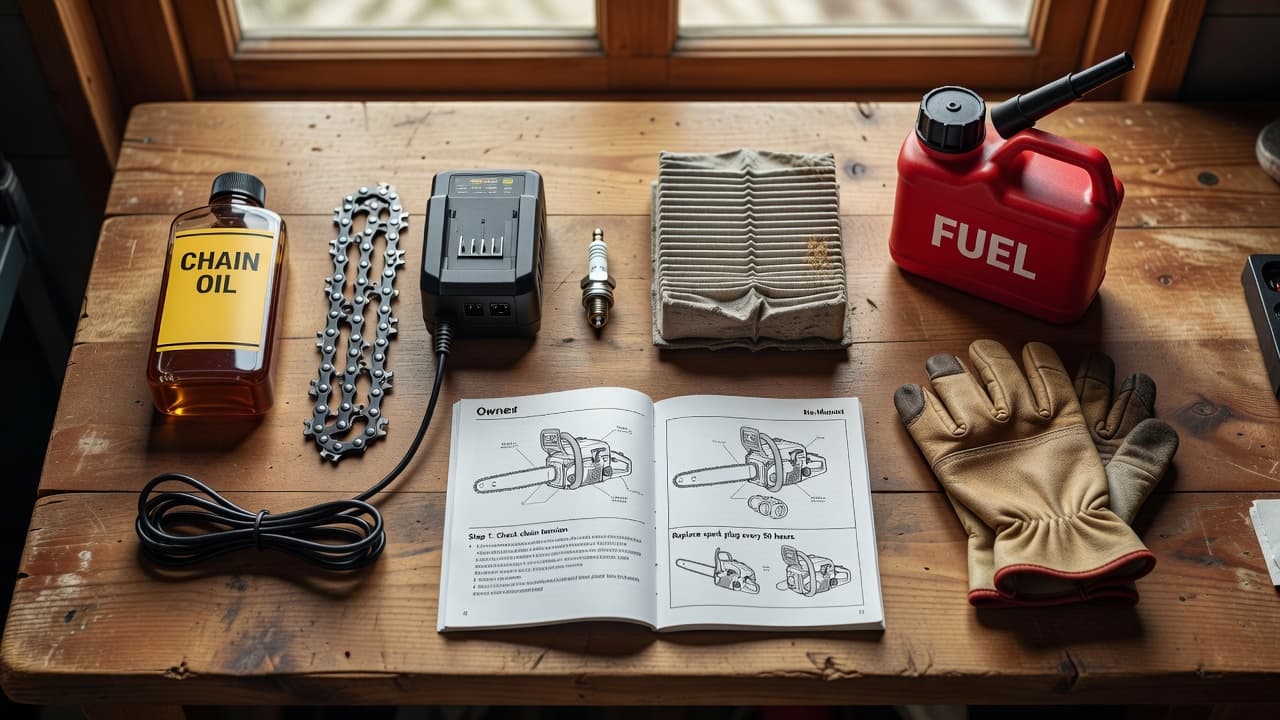
The battery chainsaw vs. petrol chainsaw comparison gets far more interesting once you look beyond the purchase price. Upfront cost tends to favor petrol at the entry level, where a basic model can come in under $200. But petrol saws carry ongoing expenses that stack up fast: two-stroke oil, spark plugs, air filters, carburetor kits, and bar oil all add to the bill. Servicing a petrol saw properly takes time and a reasonable level of mechanical confidence. Battery saws cost more to buy at equivalent quality, yet running costs drop sharply after that.
Electricity costs very little compared to buying petrol and engine supplies. Replacement chains cost the same for both battery and petrol models. Battery chainsaws also avoid expensive combustion parts that wear out over time. Most battery packs last between 500 and 1,000 charge cycles before losing noticeable capacity. Many homeowners use the same batteries across multiple outdoor tools. Sharing battery packs between compatible tools reduces costs and increases convenience, making battery-powered equipment an even better long-term investment.
The Real Cost of Ownership Over Time
A petrol saw bought for $250 can easily chew through another $150 to $250 per year in fuel, oil, and parts with regular use. Factor in one carburetor service at a small-engine shop, and you’re looking at $80 to $120 in labor alone. Battery saws don’t need that kind of ongoing attention. The chain still needs sharpening, and the bar still needs oil, but those costs apply equally to both types. A replacement battery pack for a quality 60V platform runs between $100 and $250, and most users won’t need one for three to five years of normal domestic use. So the five-year total cost of ownership for a decent battery saw often lands lower than a comparable petrol model, especially once you account for the time you’d spend on petrol maintenance. Time has real value. Battery saws give a lot back.
Battery vs Petrol Chainsaw Maintenance
Petrol saws demand attention after every serious session. The air filter needs a clean, the chain tension needs a check, and the bar needs to be flipped to distribute wear evenly. If you leave fuel in the tank for more than a month without a fuel stabilizer, you risk a gummed carburettor that won’t start next season without a strip-down. Battery saws are simpler. Check the chain tension, top up the bar oil reservoir, and wipe down the body. Store it inside with a partial charge on the battery, and it’ll be ready to go months later without a second thought. Neither type is especially hard to look after once you know the routine, but the petrol routine has more steps and more failure points. For casual users who only pick up the saw a few times a year, that difference is often the deciding factor.
Battery vs Petrol Chainsaw: Which Is Right for You?
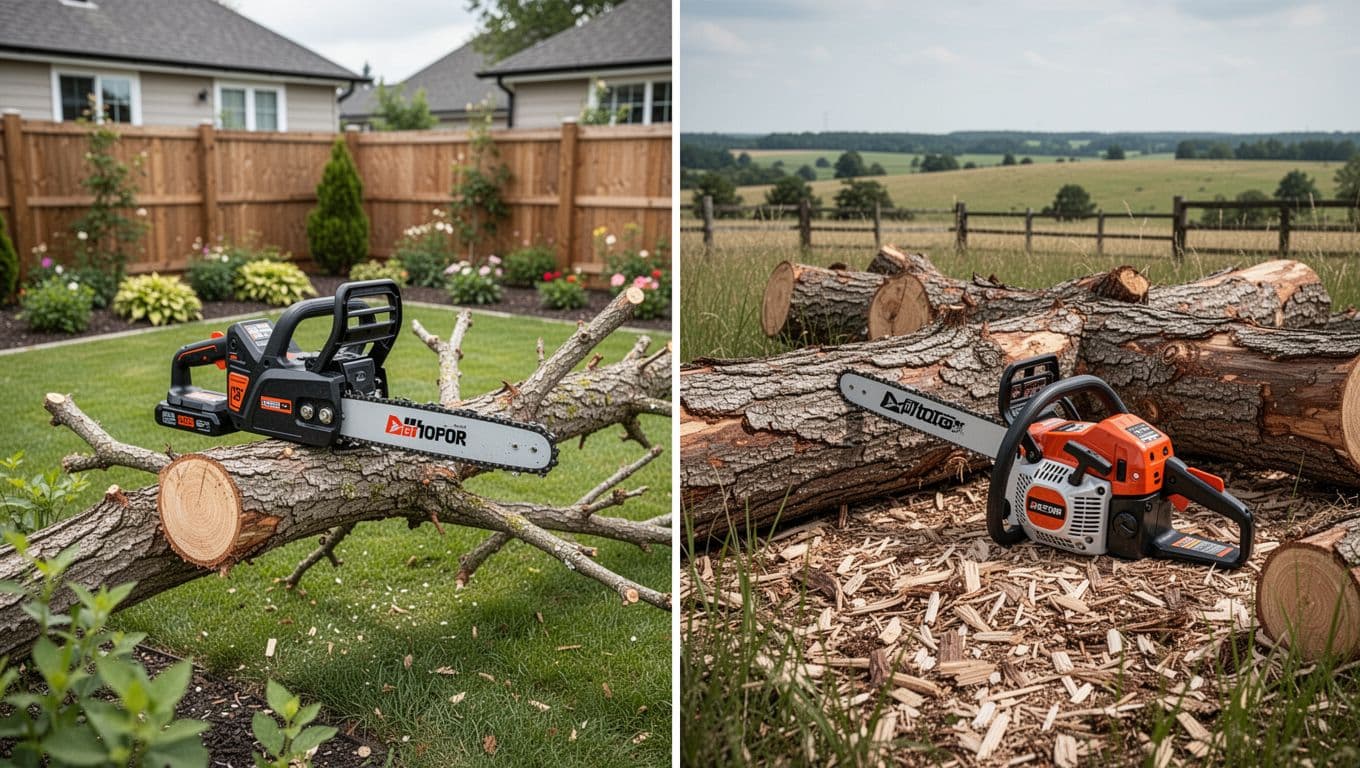
The battery chainsaw vs. petrol chainsaw decision really comes down to the scale and frequency of your work. Petrol remains the better choice for large-acreage land clearing, felling big hardwood trees, or full-day commercial use where runtime and raw power are non-negotiable. Battery wins on convenience, low maintenance, quiet operation, and total cost of ownership for most homeowners and hobby users. So take an honest look at the jobs you actually do most often, not the biggest job you might face once a year. That’s where the right answer lives.