
How Better Office Planning Improves Performance
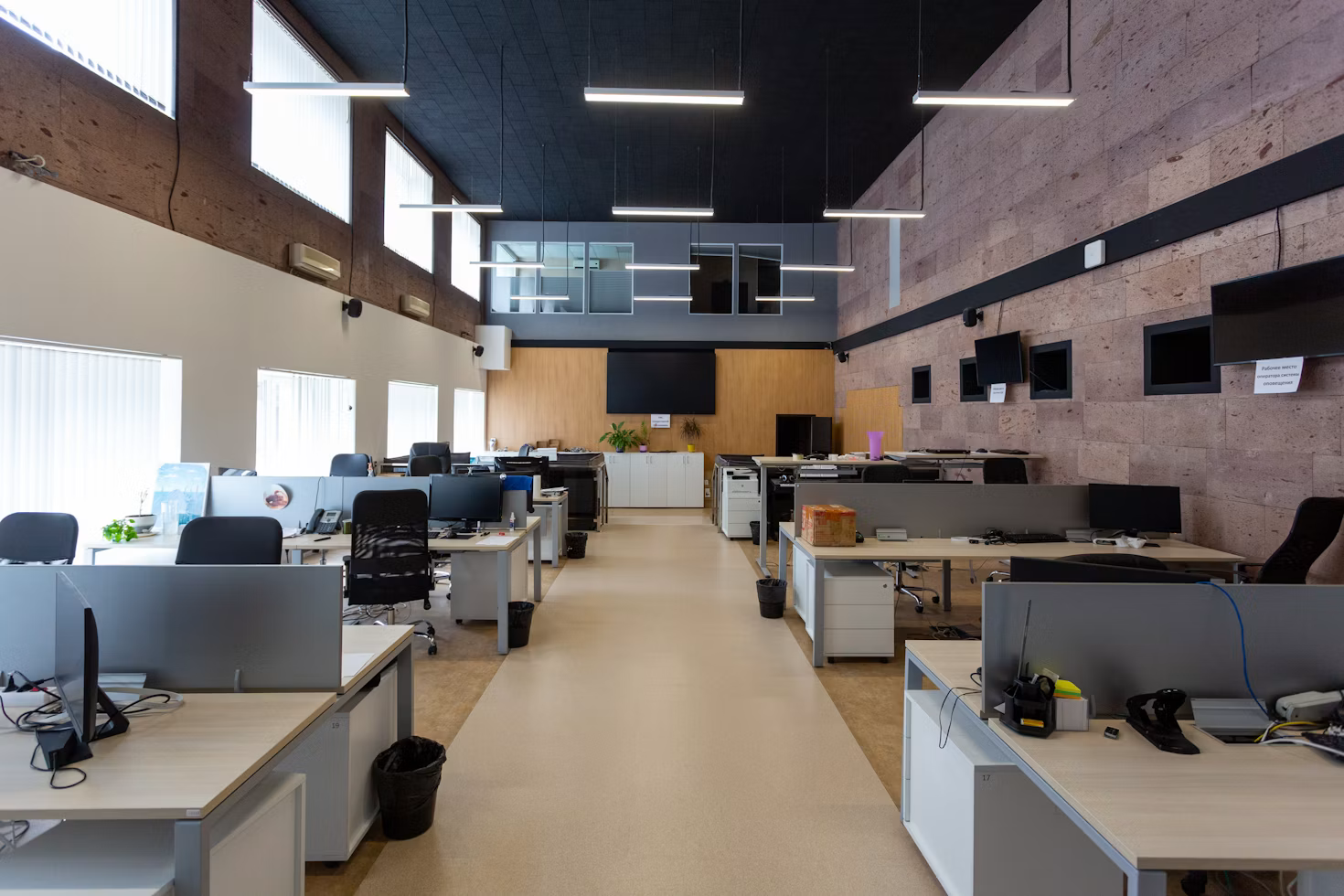
An effective office isn’t just a place; it’s a powerful tool that can shape your company culture, boost productivity, and help you hit your business goals. A well-designed workspace shows what your brand is all about and directly affects how your team performs. Smart office planning goes beyond just decorating. It’s about creating a space where employees can do their best work, team up easily, and feel valued.
Beyond Aesthetics: Functionality First
Before you even think about paint colors or wall art, you need to focus on how your office actually works. A beautiful space that makes work harder is a problem, not a benefit. Start by looking at how your team operates every day. Think about the paths people take, where communication gets stuck, and which departments need to talk to each other the most. This kind of analysis helps you design a layout that supports natural movement and processes, making things smoother and saving time.
Figuring out these operational needs is a crucial first step. Many businesses find it helpful to work with specialists who understand space planning. A good layout considers everything from where outlets go and how storage works to how people move between desks and common areas. It makes sure the design serves your team’s needs above all else.
Crafting Collaborative Zones
Today’s work environment thrives on teamwork and sharing ideas. Your office layout should actively encourage this by offering dedicated spaces for collaboration. This doesn’t mean you have to go for a completely open floor plan, which can be distracting for some. Instead, aim for a balanced approach with different zones for different kinds of interaction.
Think about adding:
- Informal Lounges: Comfy seating areas with whiteboards or big screens are great for spontaneous brainstorming.
- Huddle Rooms: Small, private rooms for two to four people let teams have quick chats without bothering others.
- Quiet Zones: These are just as important as collaborative spaces. They’re designated areas where employees can focus on individual tasks without interruptions.
You can also get creative and extend your collaborative spaces beyond the usual office walls. Many companies are now seeing the value in shared outdoor space & amenities, which offer a refreshing change of scenery for meetings and breaks.
Choosing Furniture That Works Hard
Office furniture is an investment, and it should pay off in both how long it lasts and how well it works. When you’re choosing pieces, think about how they’ll support your team’s well-being and adapt as needs change. Companies like Transfer Enterprises can help businesses choose office furniture and workspace solutions that suit how their teams operate. Ergonomics should be a top priority. Chairs with good back support, desks at the right height, and monitor stands can prevent physical strain and help employees feel more comfortable and focused.
Look for furniture that’s flexible and modular. Desks that are easy to move, mobile whiteboards, and stackable chairs mean you can reconfigure a space for different uses. One day it might be a team workshop, the next it’s individual workstations. Height-adjustable desks are another great option, letting employees choose to sit or stand throughout the day. This has been shown to boost energy and reduce how much time people spend sitting.
Future-Proofing Your Layout
Your business isn’t standing still, and your office shouldn’t either. When you’re designing your layout, think about where your company will be in three to five years. A future-proofed office can grow and change with you, saving you the cost and hassle of a big overhaul later on.
To make this happen, choose flexible solutions instead of permanent fixtures. Use modular walls or movable partitions instead of building permanent ones. Install power and data outlets in a grid on the floor or ceiling so you can easily rearrange desks. This foresight ensures your workspace remains a supportive asset as your team grows and your business needs change.
When you see your office as a strategic asset rather than just an expense, you can create a space that truly helps you succeed. A well-planned environment empowers your team, improves collaboration, and provides a strong foundation for future growth.