
What to Look for in Your Family’s Next Home
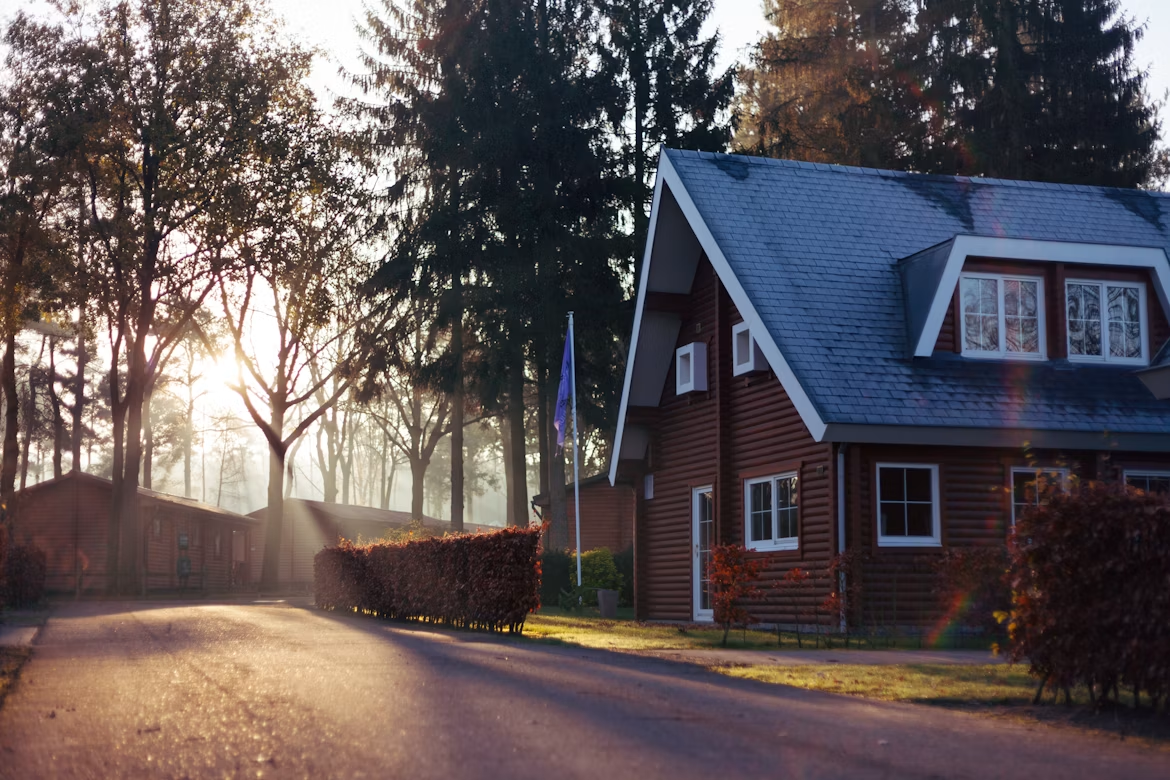
Finding your family’s next home is about so much more than just a transaction. It’s about finding the perfect backdrop for future memories, a safe place for your loved ones, and a community where you can all truly settle in. Sure, the number of bedrooms and kitchen size matter, but the right home really blends the physical space with everything around it. Thinking about what your family uniquely needs will help you look past the fresh paint and fancy staging to find a spot that truly fits your life.
Prioritizing Family Needs
Before you even start scrolling through listings, take some time to sit down and make a list of “must-haves” versus “nice-to-haves.” Think about how your family lives now and how you picture your life in five or even ten years. A home that works for a family with toddlers might not be the best fit for one with teenagers, for example. Consider the layout. Do you prefer an open-concept space where you can easily watch the kids while you cook? Or do you need separate rooms for a home office, a quiet study area, or a dedicated playroom?
How your daily life flows is important. Is there a mudroom or a special spot near the entrance for backpacks, shoes, and coats? Is the laundry room in a convenient place, or will you be lugging baskets up and down stairs? These practical family home features can seriously change how happy you are day-to-day.
And don’t forget to look outside. A fenced-in yard might be a deal-breaker for families with young kids or a dog. On the flip side, if your weekends are already packed with sports and activities, a low-maintenance patio might be a better choice than a big lawn that needs constant attention. Be honest with yourself about how much time and energy you want to spend on keeping up your home and yard.
The Importance of Community Vibe
A house is just a building, but a community is what makes it feel like home. The “vibe” of a neighborhood can be just as important as the house itself. Are you looking for a quiet, tree-lined street where kids can ride their bikes, or a more lively area with shops and cafes you can walk to? The best way to figure this out is to spend some time there. Drive through at different times of day, on weekdays and weekends. Take a walk, visit a local park, and just watch what’s happening.
When you start browsing for homes for sale, pay attention to what they say about the community. Look for amenities that match your family’s interests, like swimming pools, walking trails, playgrounds, or community centers that host events. The importance of community for a family’s well-being is huge. A supportive neighborhood gives both you and your kids a network of friends.
Also, think about the practical side of choosing the right community. How long will your commute to work be? How close are the nearest grocery store, doctor’s office, and other essential services? A beautiful home can quickly lose its appeal if you spend hours every day stuck in traffic.
Evaluating School Systems
For families with kids, the quality of local schools is often a top concern. While online school ratings can be a good starting point, they don’t always tell the whole story. A school’s culture, its teaching style, and the programs it offers are just as important. Start by checking out the school district’s website to learn about their curriculum, class sizes, and how many students there are per teacher.
Look for parent reviews on different forums and social media groups to get a feel for the parent community and their experiences. If you can, schedule a tour of the schools you’re thinking about. This lets you see the facilities, get a sense of the atmosphere, and ask questions directly to administrators or teachers.
Don’t just focus on test scores. Think about what makes a school a good fit for your specific child. Do they have strong arts and music programs? What about sports teams or after-school clubs? Are there resources for students with special needs or opportunities for advanced learning? A school that helps your child develop their unique talents and passions is a truly valuable thing.
Access to Outdoor Recreation
Having easy access to green spaces and places to play can really boost your family’s quality of life. Spending time outdoors is fantastic for both physical health and mental well-being, offering a much-needed break from screens and busy schedules. When you’re choosing a neighborhood, look for parks, playgrounds, and nature trails nearby.
Imagine being able to go for a family bike ride on a Saturday morning without having to load everyone into the car. Think about how convenient it would be to have a playground within walking distance for after-school energy burn-offs. These simple joys can create lasting family memories.
Check out your local parks and recreation department to see what they offer. Many communities have public pools, sports complexes, and organized youth leagues for soccer, baseball, or basketball. Access to these facilities not only encourages an active lifestyle but also gives your kids great chances to socialize and learn new skills. A home that supports your family’s hobbies and encourages you to get outside together is one you’ll cherish for years to come.
Future Growth Potential
Buying a home is one of the biggest financial moves you’ll ever make, so it’s smart to think about how much it might grow in value. A home in a neighborhood where values are going up can be a powerful way to build wealth over time. Look for signs that a community is healthy and growing.
Are new businesses, restaurants, or shops opening up in the area? Are there plans for public improvements, like new roads, parks, or public transportation? You can often find this kind of information on your city or county’s official website, usually under the planning or development sections. A little research can tell you a lot about where a neighborhood is headed.
Also, pay attention to the condition of other homes nearby. Are neighbors investing in their properties with renovations and landscaping? This pride of ownership often signals a stable and desirable community. While you’re buying a home for your family to live in and enjoy now, choosing one with good resale value gives you financial security and flexibility for the future.
Finding the perfect home means balancing what your heart wants with what your head knows is smart. By really thinking about your family’s needs, the community, schools, and future potential, you can confidently pick a place where your family won’t just live, but truly flourish.