
Small Landscaping Choices that Make a Big Difference for Rental Properties
When prospective tenants visit a rental property, they start forming an opinion before they even reach the front door. An overgrown lawn with neglected flower beds and cracked walkways is unlikely to win their hearts because it suggests that the property isn’t well maintained. This may not be an accurate reflection of the property quality and value, but first impressions are hard to correct.
So, whether you manage your own rental or work with a property management agency to oversee day-to-day maintenance, it’s important to have that conversation about landscaping. Landscaping needs to be part of your long-term strategy.
The good news is that you don’t need an elaborate garden plan to make a difference. In fact, focusing on small and consistent improvements can help boost curb appeal significantly and create a welcoming space tenants will want to call home.
Consistent Lawn Care
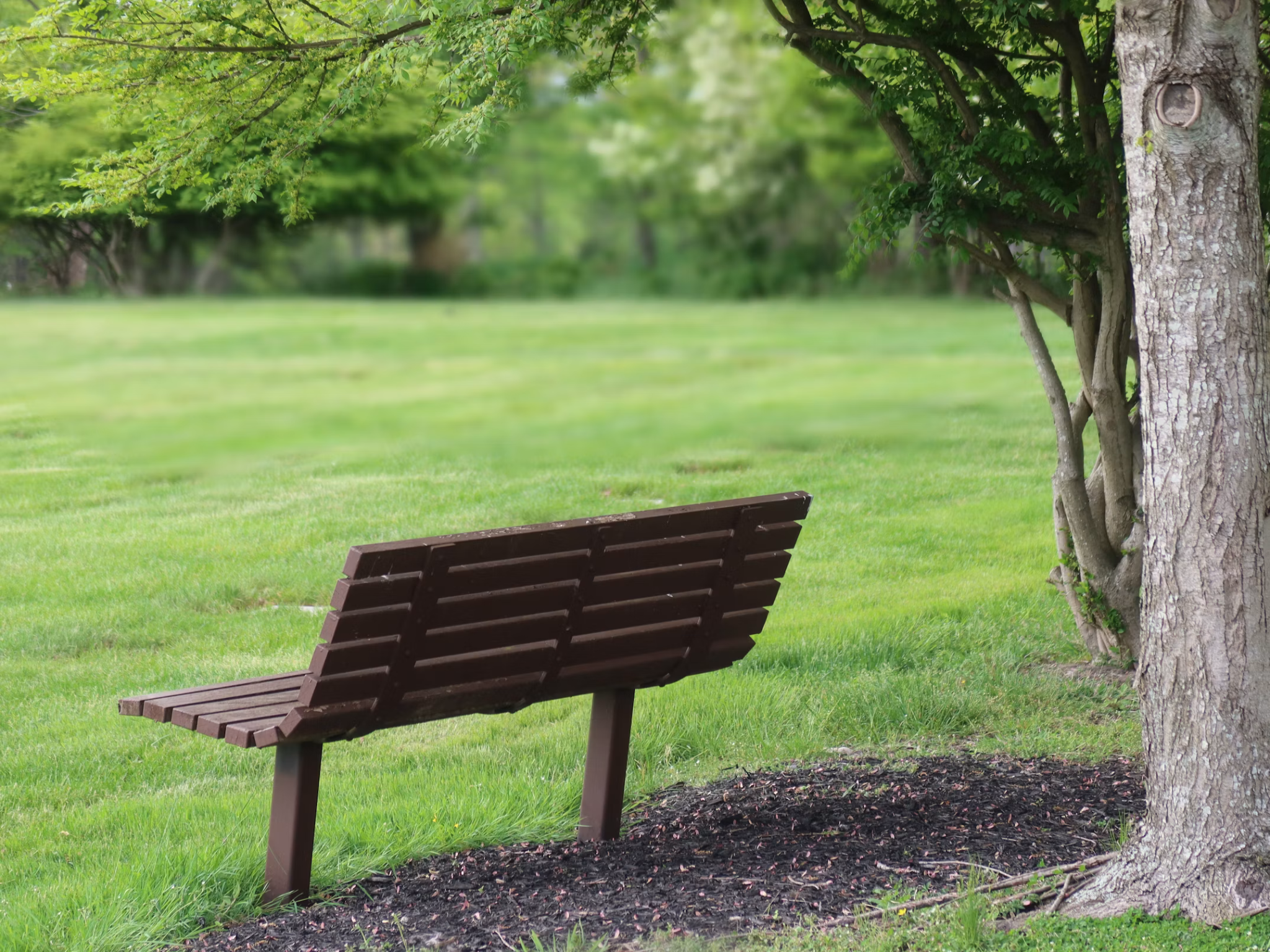
A healthy lawn sets the tone from the start. Even if the landscaping is relatively simple, healthy grass and a weed-free walkway immediately make the entire space look cleaner and cared for.
Here, routine maintenance is crucial because it’s a lot easier to manage your lawn than to try to restore it to its full health after months of neglect.
Another important aspect of lawn care is picking the best lawn for the property and its location from the start. No matter how tempting it can be to opt for artificial grass, most tenants will prefer the feeling of real grass.
You will find warm season grass and cool season grass types. As a rule of thumb, warm season grasses are best suited for Southern states, and cool season ones work best in the North, Northeast, and Pacific Northwest. The first thing to ensure is that your property has the right type of grass for its climate.
Cool season lawn includes:
- Kentucky Bluegrass
- Tall & Fine Fescue
- Ryegrass
- Bentgrass
Warm season grasses include:
- Bermudagrass
- St. Augustine
- Floratam
- Zoysiagrass
- Centipedegrass
Once you’ve sorted out what you’ve got in your garden, it’s easier to arrange for the right products.
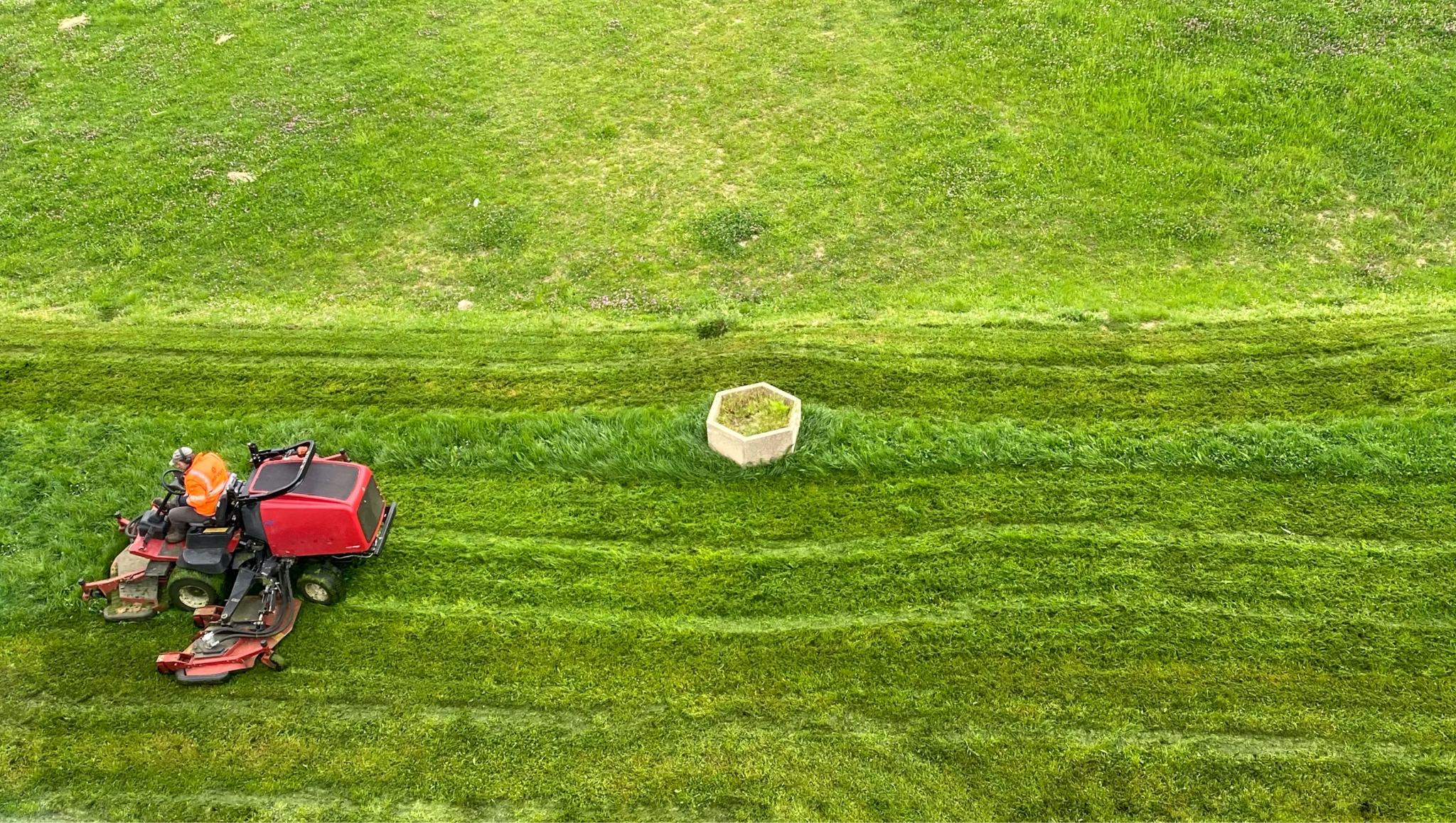
For landlords with larger properties, having the right equipment can make maintenance far more efficient. Investing in a commercial lawn mower can help landscaping teams maintain consistent results while reducing the time needed to care for larger outdoor spaces.
Choose Plants that Look Great Without Too Much Maintenance
Beautiful landscaping shouldn’t be synonymous with high maintenance.
Selecting the right plants from the beginning can reduce the need for watering, pruning, and replacement costs. It also helps keep the property attractive throughout the year.
Here, native plants are the best choice you can make because they’re already adapted to the local growing conditions and will need less care once established.
You also want climate-appropriate plants if you can’t add local species for any reason. This will reduce the need for excessive outdoor water. It’s particularly important if the property is in a region of frequent droughts or with regular seasonal water restrictions.
Another smart plant investment is perennials. They do not need replacing every year, unlike annual flowers. Typically, perennials return season after season, which means you’ve got a reliable spot of color in your landscape with relatively little effort.
Make Walkways Safe
Landscaping is also about safety. Overgrown shrubs can block pathways and even create trip hazards for residents and visitors. So you want to keep the areas around the pathways well maintained. This helps show the property is cared for and reduces unnecessary maintenance issues.
What to focus on:
- Trimming bushes away from entrances and walkways
- Removing fallen branches
- Removing weeds
- Monitoring nearby trees to avoid tree roots pushing through pathways
You also want to consider the addition of lighting, especially for long walkways that will require residents to commute in the dark, such as walkways between parking areas and the main building.
These simple tasks don’t require major renovation efforts, but they need to be performed regularly.
Create Outdoor Spaces Tenants Will Actually Use
Today’s renters value outdoor amenities just as much as attractive interiors.
Creating spaces where residents can relax and socialize while enjoying the fresh air needs a strategic approach.
What should you prioritize for tenants’ comfort:
- Benches
- Shaded areas
- Picnic tables
- Self-contained flower beds
- Playground equipment
- Fitness equipment
This helps keep the area usable and interesting as a community asset. If pets are allowed, it can also be a good idea to add pet-friendly spaces, such as a small dog park or plants that are safe for pets. These features encourage people to spend more time outdoors, and they can also create a stronger sense of community within the property.
In short, landscaping choices can influence how your rental property is going to be perceived. For landlords and property managers alike, small landscaping improvements and decisions can support property values and attract prospective tenants.