
Creating a Positive Learning Environment for Students
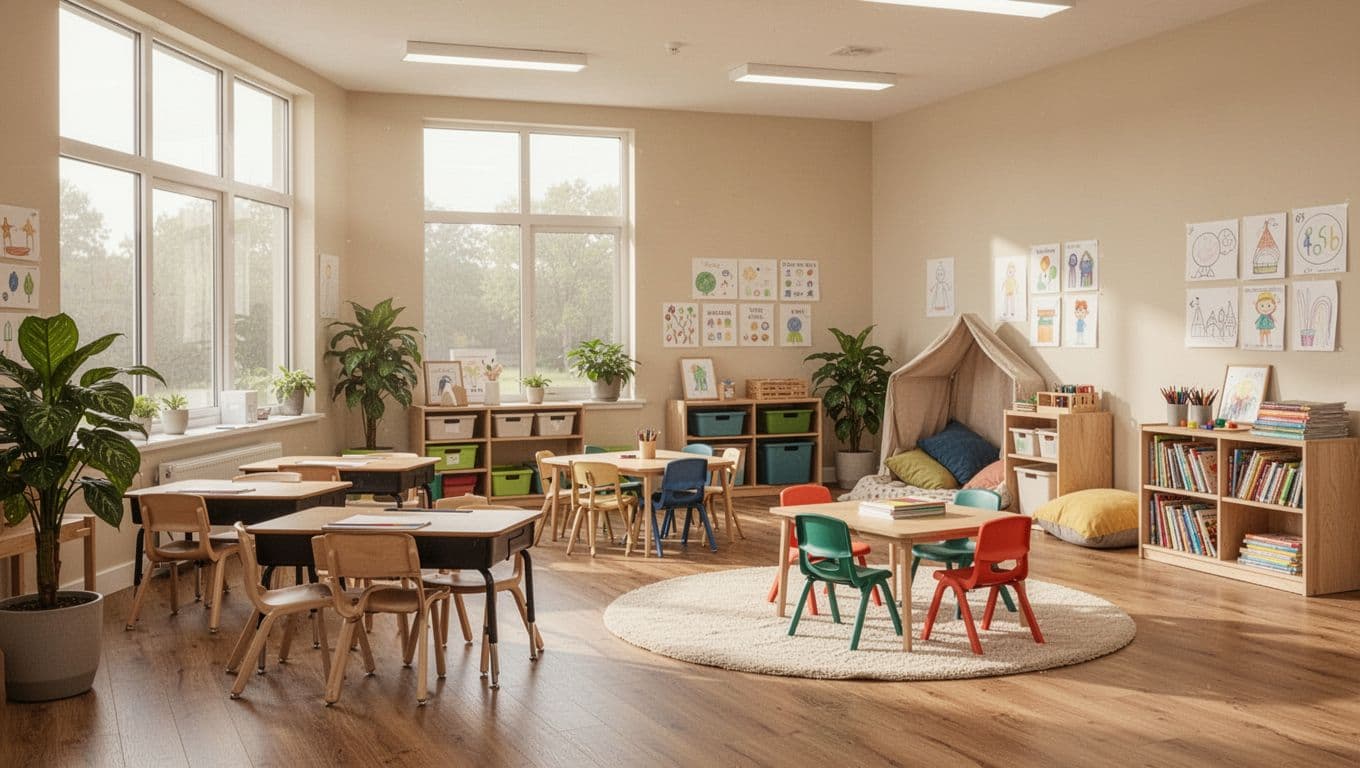
A classroom is not just a room with desks. It is a message. The colors on the wall, the flow of foot traffic, the noise level, all of it tells a student whether they are safe, seen, and ready to work.
Schools that get this right do not leave it to chance. They plan learning spaces the way an architect plans a building. Every choice supports a goal: focus, comfort, or connection.
How a Positive Learning Environment Starts with the Physical Space
Lighting matters more than most people think. Rooms with natural light tend to keep students alert longer. Harsh fluorescent lighting can cause eye strain and fatigue by midday. Acoustics matter too. A noisy hallway outside a classroom door pulls attention away from the lesson inside.
The data backs this up. Research covered by Forbes found that improving students’ physical health and their surroundings can raise learning outcomes about as much as pricier fixes like smaller class sizes. That is a strong case for treating the building itself as part of the curriculum.
Safety Shapes Confidence
Students cannot focus if they do not feel safe. Physical safety and academic performance are linked in nearly every study on school climate. A student worried about what might happen in the bathroom or the parking lot is not thinking about algebra.
Vaping has become one of the more disruptive problems schools face during the school day. Students leave class to vape in bathrooms, stairwells, and locker rooms, and staff cannot watch every corner of a building at once. Many districts have added school vape detectors to close that gap. These sensors track changes in air quality and alert staff in real time, so problems get caught without constant hallway patrols. Districts that use them report a few consistent results:
- Fewer disruptions during instructional time
- Faster staff response when an incident happens
- Less staff time spent walking hallways and checking bathrooms
- Better data on which areas of the building need more attention
None of this replaces good relationships between staff and students. But it removes a distraction that has nothing to do with learning and everything to do with feeling safe in the building.
Movement and Belonging in the Room
Positive learning spaces also account for movement. Students, especially younger ones, need room to shift position without disrupting the class around them. Flexible seating, standing desks, and open floor space all support this instead of fighting it.
Belonging matters just as much as movement. Students engage more when they see themselves reflected in the space around them. Posters, materials, and classroom activities that reflect different backgrounds send a quiet but clear signal: this room was built with you in mind, not just around you.
Transitions matter too, and they get overlooked. A calm, well-managed passing period between classes lowers anxiety before the next lesson even starts. A chaotic hallway does the opposite. Small changes here, like staggered dismissal times or clear traffic patterns, add up over a full school day.
Extracurriculars Extend the Classroom
Learning does not stop at the classroom door. Gyms, art rooms, and locker rooms are learning spaces too. How these spaces are equipped sends the same message as any classroom: this matters, and so do you.
Gymnastics programs are a clear example. A gym that is well maintained and properly outfitted tells young athletes their sport is taken seriously. Worn mats and mismatched uniforms tell a different story, whether anyone means it or not.
Coaches who invest in their programs usually start with the basics. Reliable equipment. Proper flooring. Uniforms that fit correctly and hold up to repeated practice and competition, not gear pulled from a general catalog and hoped to work.
Appearance carries weight too. Teams that look organized tend to perform with more discipline, and that discipline carries over into how they train. It is a small detail on paper, but it adds up across a season.
Schools that partner with the right supplier make this part easier to get right. Sourcing custom gymnastics apparel through a dedicated supplier means teams get uniforms built for the specific demands of the sport, fitted to their athletes and their program, not something generic.
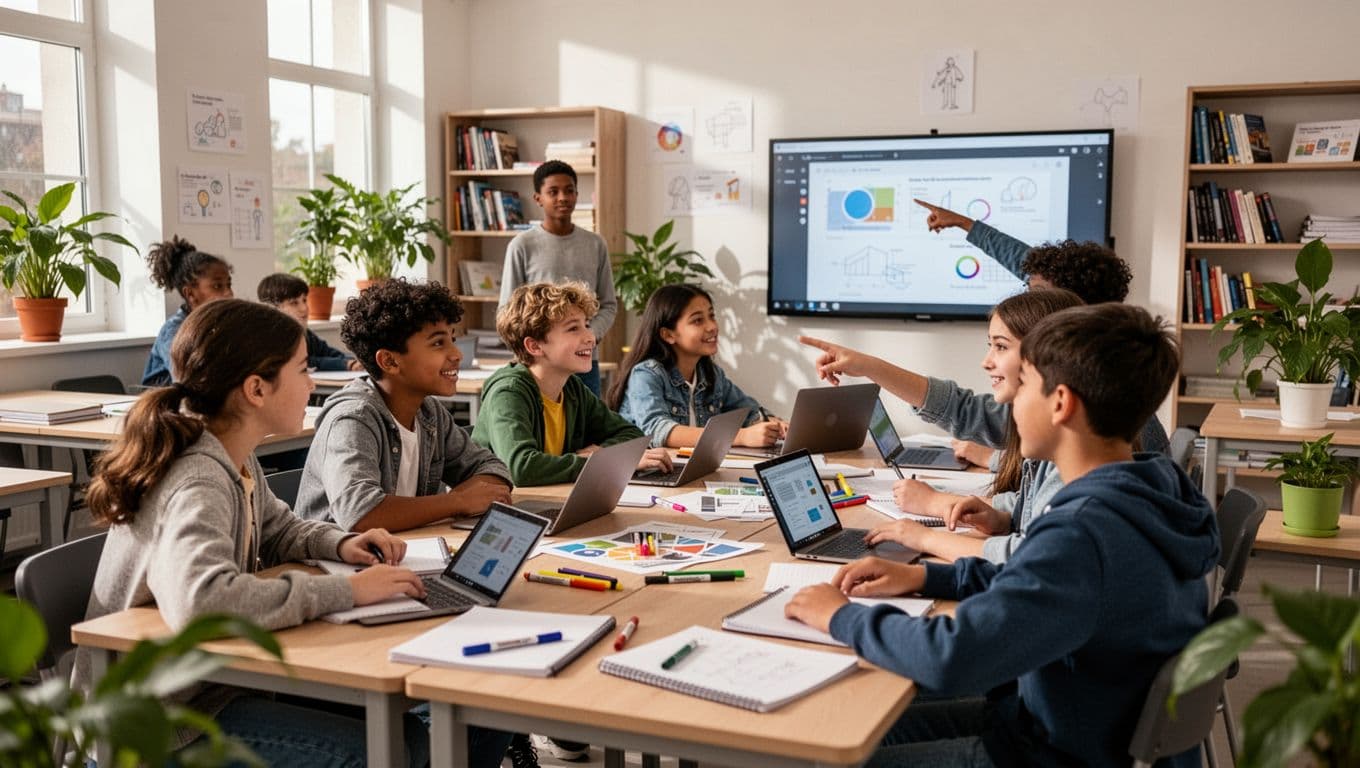
Technology also plays a supporting role in positive learning spaces. Interactive displays, reliable internet access, and well-maintained classroom devices help students stay engaged without unnecessary interruptions. When technology works seamlessly alongside thoughtful classroom design, teachers spend less time troubleshooting and more time helping students learn, collaborate, and build confidence.
Creating a Positive Learning Environment Every Day
A positive learning space is not a one-time renovation. It is a habit schools keep. Lighting gets checked. Safety tools get updated. Extracurricular spaces get the same attention as classrooms.
Students notice all of it, even when they cannot name what they are noticing. A building that is cared for tells them they are cared for too. That is the real return on getting this right.