
Simple Ways to Upgrade Your Travel Experience
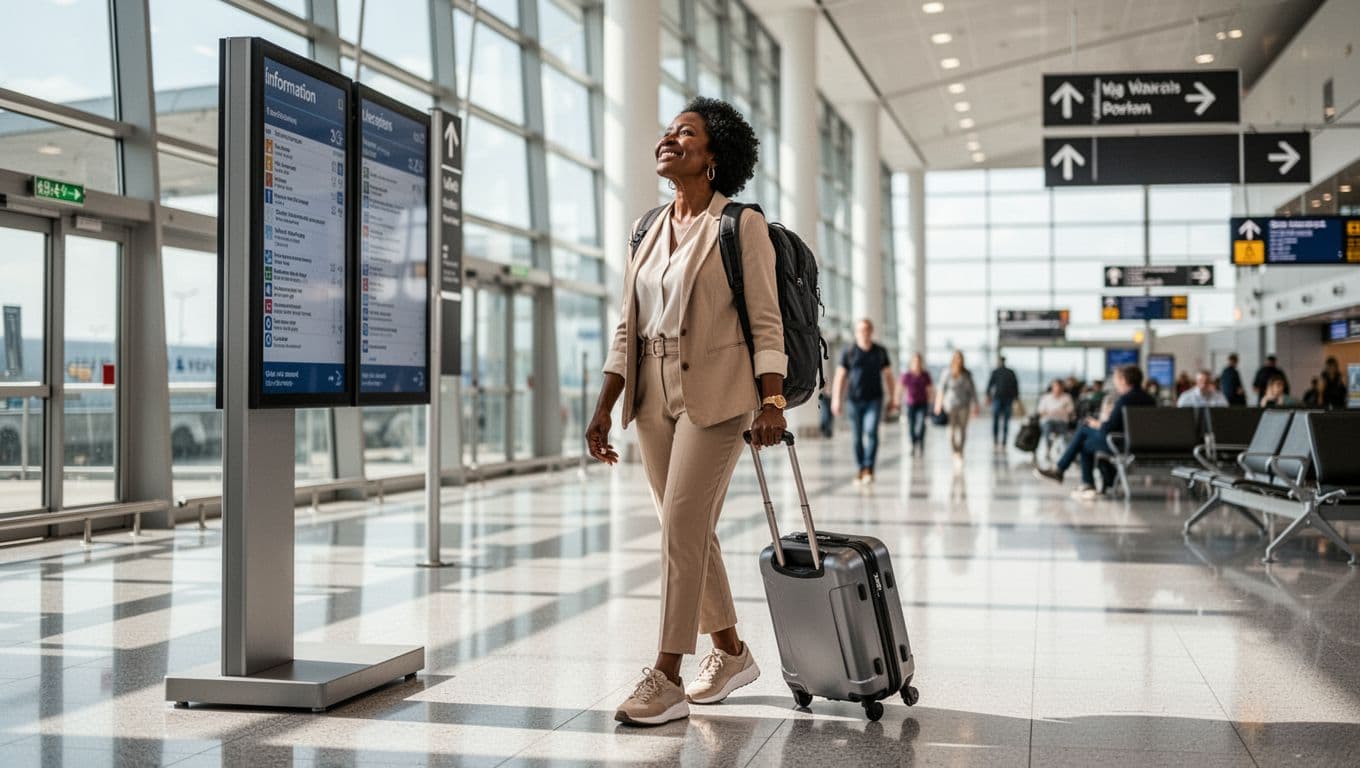
The best travel tips don’t always cost money. They come from better systems, not better luggage.
This guide shares practical travel tips that make every trip smoother, from packing and organization to staying connected while traveling abroad.
After a decade of trip planning for family excursions and solo work travel, the pattern is clear. People overspend on gear and underspend on preparation. The fix is usually a few small habits, not a new suitcase.
This guide breaks down the practical side of travel. Connectivity, packing, and organization. No filler, just what actually changes a trip. One place to start is internet access, since it affects everything else you do abroad. If you’re heading somewhere with heavy internet restrictions, research the best VPN for China options before you land, not after. Servers get blocked without warning, and switching providers mid-trip wastes hours you don’t have.
Digital Access and Connectivity Abroad
Internet restrictions are not rare anymore. Dozens of countries block or throttle major platforms, banking apps, and messaging services at different times.
A VPN routes your traffic through a server in another country. This lets you reach sites and apps that are blocked locally. It also encrypts your data on public airport and hotel Wi-Fi, which is a real risk, not a theoretical one.
Set up your VPN before departure. Test it at home first. Download the app, confirm your login works, and check that it connects to at least two server locations. Doing this after arrival, on unfamiliar Wi-Fi, is where most people fail.
Travel Packing Systems That Beat Extra Luggage
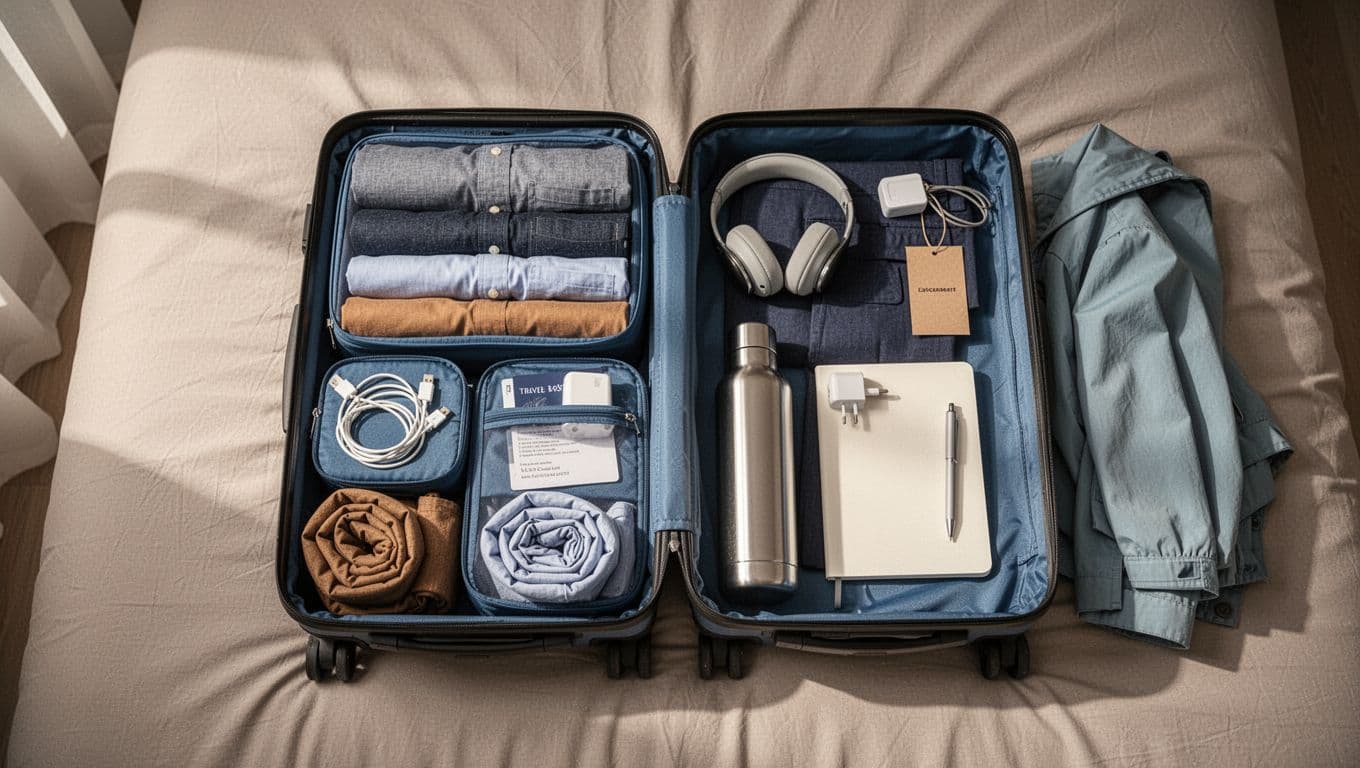
Packing cubes get a lot of attention, but the real upgrade is a system, not a product. Sort by category, not by outfit.
A few habits make the biggest difference:
- Roll clothes instead of folding to cut volume by roughly a third
- Keep one “day one” outfit accessible in a carry-on in case checked bags are delayed
- Separate charging cables and adapters into a single pouch, not scattered across bags
- Pack a compressible daypack inside your main bag for day trips
None of this requires new purchases. It requires five extra minutes before you zip the bag closed.
Organizing Small Items and Access Points
Small items cause disproportionate stress on trips. Hotel key cards, badge access at conference venues, luggage tags, and ID cards all get lost the same way. They sit loose in a bag pocket until they don’t.
A retractable clip solves this without adding bulk. Clip it to a belt loop or bag strap, and the card or key stays attached and reachable. This matters most at conferences, cruise terminals, and hotels that use badge-style access instead of traditional keys.
Many frequent travelers now carry custom retractable keychains specifically for this reason. They keep hotel key cards or badges within reach without digging through a bag at a locked door. It’s a small fix, but it removes one of the most common points of friction on a trip.
Building a Lightweight Tech Kit
A travel tech kit should fit in one small pouch. Anything larger gets left behind or becomes dead weight.
The core kit needs four items. A universal adapter with USB-C and USB-A ports. A portable battery rated at 10,000mAh or higher. A short charging cable, since long cables tangle and rarely get used. And offline maps downloaded before departure, in case data access is unreliable.
VPN usage among travelers is not a niche habit anymore. An estimated 1.75 billion people use VPNs worldwide, roughly a third of all internet users globally, as of mid-2025. That scale reflects how normal this tool has become for anyone crossing borders regularly, not just for security researchers or journalists.
Documents and Backups
Physical documents fail in predictable ways. Passports get wet, printed itineraries get lost, and paper visas fade.
Photograph every document before you leave. Passport photo page, visa pages, travel insurance policy, and emergency contact numbers. Store these in a secure cloud folder you can access without the internet, and email a copy to yourself as a backup.
This step takes ten minutes and solves the single most common travel emergency: losing access to your own identification while abroad.
A Simple Pre-Trip Checklist
Before any trip, run through this short list:
- VPN installed and tested on your phone and laptop
- Documents photographed and backed up in two locations
- Tech pouch packed with adapter, battery, and short cable
- Retractable clip attached to your bag for keys or badges
- One outfit accessible in carry-on luggage
Every item on this list takes under fifteen minutes to complete. None of it requires new gear beyond what most people already own.
Travel With Purpose
Travel upgrades are rarely about spending more. They’re about removing friction before it becomes a problem mid-trip.
Set up connectivity first, since it affects communication, navigation, and banking. Organize physical items so nothing gets lost at a locked door. Back up documents so a single mistake doesn’t derail the whole trip.
Small systems beat expensive gear every time. Build the habit once, and every trip after gets easier.