
Have Your Spending Habits Changed? 8 Tips for Checking Your Accounts
Your spending habits rarely stay the same forever. They shift as your lifestyle changes and prices go up or down, or even when new payment options become part of your daily routine. Checking for these changes is not just about spotting mistakes or cutting back. It is also a way to see whether your money habits still match your goals.
Knowing that, you’ll want to regularly review your accounts and give yourself the chance to notice patterns. Here are some tips for checking your accounts and making intentional adjustments that will, in turn, allow you to stay in control of your finances instead of simply reacting to them:

1) Review Your Monthly Totals Before Individual Transactions
When checking your accounts, it helps to start with the big picture. Looking at your total monthly spending should give you a general sense of whether your expenses are trending upward, downward, or staying about the same. This overview makes it easier to spot meaningful changes without getting overwhelmed by details right away.
Once you see the overall direction, you can then dig deeper. A higher total does not always mean a problem, especially if it reflects a deliberate choice or a one-time expense. What matters is understanding why the change happened and whether it aligns with your priorities.
2) Compare Current Spending to Previous Months
One of the simplest ways to spot changes in spending habits is to compare your current statements with those from earlier months. This side-by-side view highlights differences that may not stand out when you look at a single statement in isolation.
You may notice that certain categories have slowly grown over time, even if each individual increase felt small. These gradual shifts often have the biggest impact on your budget. If you recognize them early, you can decide whether they reflect a new normal or something you want to rein in.
3) Group Expenses by Category, Not by Merchant
Looking at transactions one by one can hide broader patterns. It’s a better idea to group expenses into categories such as food, transportation, entertainment, or subscriptions so you can quickly see where your money is really going. If you spread out spending across credit cards, cash, and e wallet examples like Maya, take time to consolidate your transaction information in a spreadsheet. This way, you can easily see category totals and assess whether your spending matches your intentions.
4) Pay Attention to Small, Frequent Purchases
Big expenses tend to get your attention right away, but small purchases often slip under the radar. Daily coffee runs or in-app purchases, for example, may seem insignificant on their own, yet they can quietly shape your overall spending habits.
When reviewing your accounts, look for patterns in these smaller transactions. Ask yourself whether they still bring value or have simply become automatic. Becoming aware of these habits does not mean you need to eliminate them, but it does help you decide more consciously which ones are worth keeping.
5) Check for New or Forgotten Subscriptions
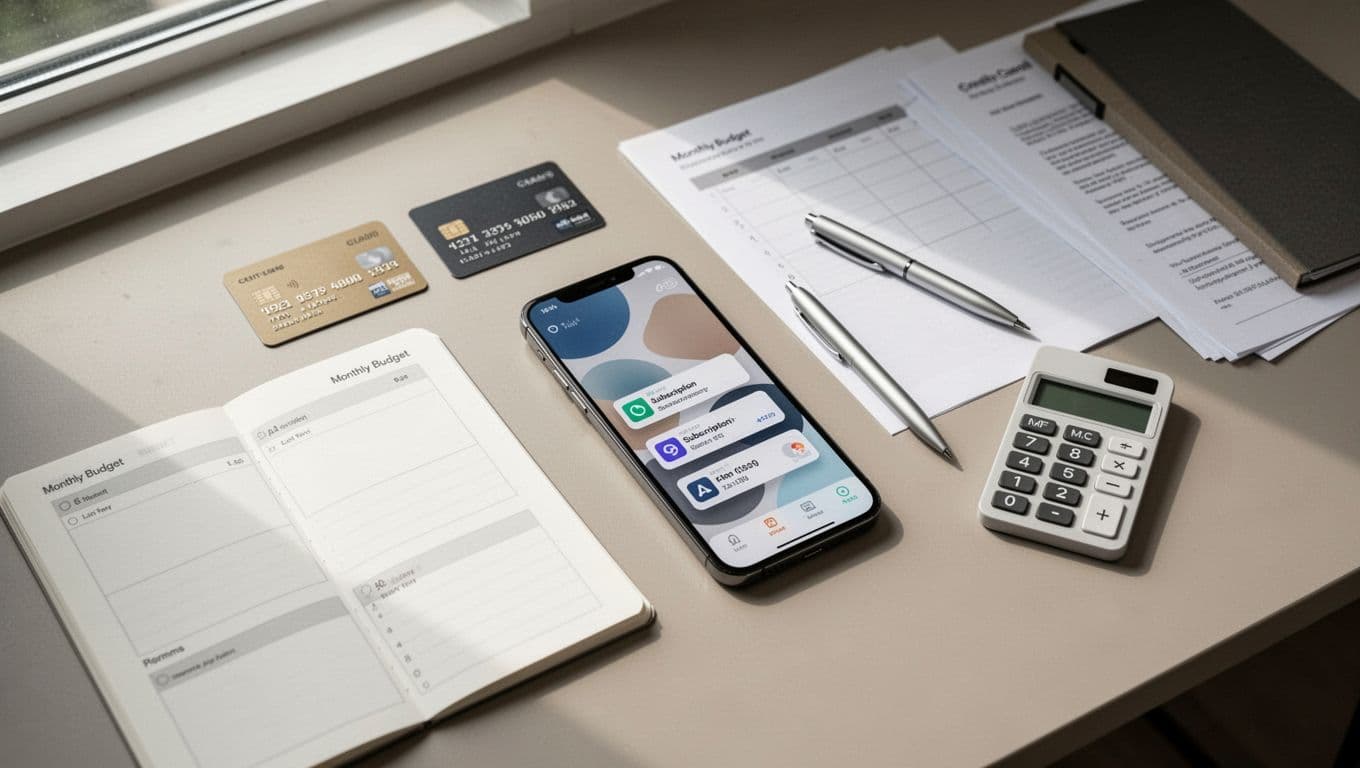
Subscriptions are one of the most common sources of unnoticed spending changes. Free trials that convert into paid plans or services you no longer use can quietly drain your account month after month. You’ll want to review your statements and keep an eye out for recurring charges. If you find subscriptions that no longer fit your lifestyle or goals, canceling them can free up money without affecting your day-to-day comfort.
6) Look at Payment Methods Separately
Did you know that different payment methods can encourage different spending behaviors? You may spend differently when using a credit card, a debit card, or a digital wallet. Reviewing each account separately helps you understand how your habits change depending on how you pay.
This is especially helpful if you use certain payment methods for convenience or promotions. Seeing how much you spend through each channel gives you insight into whether one method is making it easier to overspend or helping you stay more disciplined.
7) Track Timing and Context, Not Just Amounts
Spending habits are influenced by when and why you spend, not just how much. A review of the timing of your transactions may reveal patterns tied to stress, boredom, or specific routines. For example, you might notice more online shopping late at night or higher food spending during busy weeks.
Understanding the context behind your spending helps you respond more thoughtfully. Instead of focusing only on cutting costs, you can look for ways to address the underlying triggers that lead to certain habits.

8) Note Changes Linked to Life Events or Routines
Major and minor life changes often show up clearly in your accounts. A new job, a change in commute, or even picking up a new hobby can all affect how you spend. If you can pick up on these links, you’ll be better at sorting temporary changes from long-term shifts. As such, when reviewing your accounts, reflect on what has changed in your daily life. This perspective makes it easier to judge whether new spending patterns make sense or need adjustment.
Build Better Spending Habits One Review at a Time
All in all, regularly checking for changes in your spending habits makes you more aware of how you use your money and why. This awareness will turn each of your accounts into useful tools rather than things you only glance at occasionally. Over time, that habit builds mindfulness and will help you manage your finances with more intention, confidence, and clarity.