
Celebrating The Many Ways Nurses Change Lives
What is the first thing that comes to mind when you think of healthcare? Most people think of doctors diagnosing illnesses or performing complex operations. Yet, for many patients, the nurse is the person who leaves the most lasting impression.
Nurses are the reassuring voice that follows patients through the healthcare journey. They are usually the ones the patients spend the most time in contact with. So, it’s fully understandable that a patient would feel more comfortable with a nurse than a doctor, as it is the nature of the role to be nursing patients.
But as healthcare systems continue to evolve and grow, it’s important to remind people of the role nurses play in patient care. Nurses, after all, deserve all the recognition they can get.
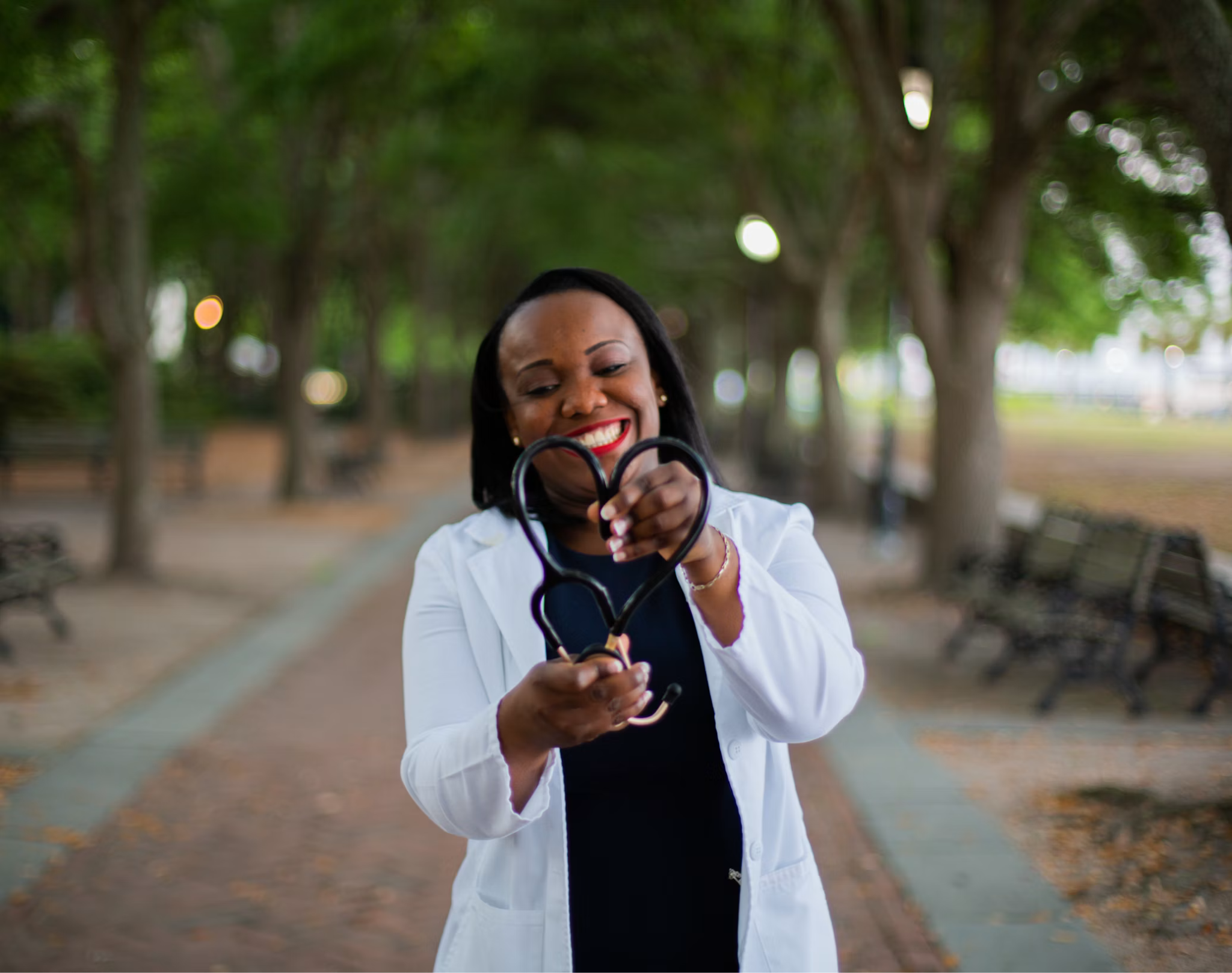
Nurses are essential to rural healthcare
Access to healthcare remains a challenge for many rural communities across the United States. Patients often need to travel long distances for specialist appointments as rural areas face provider shortages and obstacles that can delay treatment.
That is where nurses help bridge the gaps in care. They provide health education and support preventative care efforts for rural communities. Nurses are also central to monitoring chronic conditions for rural patients and helping them understand their options. In fact, in underserved areas, nurses are likely to be the most trusted healthcare figures within the community.
They are central to building relationships in remote areas that are typically underserved.
The difference nurses make in everyday care
Nurses check in on patients throughout the day. They are the first point of contact to answer questions families may have and provide encouragement throughout recovery.
While these interventions may not receive the headline attention of life-saving surgical interventions, in reality, they are crucial to a patient’s journey. The nurse is the first person who provides explanation, reassurance, and active listening.
Without nurses, healthcare wouldn’t be as compassionate as it is, and that is why nurses are a crucial part of patient care. Educational pathways such as an LVN training program can help equip aspiring nurses with the clinical knowledge and practical skills they need to support their patients with empathy.
Nurses are a patient’s strongest advocate
Nurses do a lot more than deliver care. They also ensure that patients’ voices are heard. Indeed, nurses spend significant time with those they care for, which means they are usually the first to notice subtle changes in a patient’s condition. They can recognize when concerns have not been fully addressed. Due to their position, nurses are also able to ask follow-up questions and clarify instructions so they can help patients understand their options.
In fact, many nurses describe their role in patient advocacy as part of their responsibility to protect patients and be their voice in promoting quality care that works for their needs. Advocacy is central to the role of a nurse, and it is at the heart of their profession.
Nurses tend to describe their roles as advocates of patient safety, patient recovery, the patient healing journey, and patient respect.
At its core, nursing is a lot more than medical expertise. It’s a professional built on resilience, adaptability, commitment to improving lives, and genuine care for patients. While this isn’t to say that doctors are not admirable in their own ways, nurses do deserve recognition for the extraordinary difference they make in the lives of others.