What Heavy Manufacturing Can Teach Us About Building a Resilient Business
When people think about business innovation, they usually picture technology startups, disruptive software companies, or fast-growing brands making headlines on social media. But heavy manufacturing isn’t usually something we talk about.
That’s unfortunate because some of the world’s most resilient organizations operate in manufacturing environments where mistakes are incredibly expensive. A single equipment failure can halt production, disrupt supply chains, delay customer deliveries, and cost millions of dollars in lost revenue.
As a result, manufacturers have spent decades developing systems that prioritize reliability, consistency, and long-term stability. The interesting part is that these same principles apply far beyond factory floors.
Whether you’re running a marketing agency, an e-commerce business, a consulting firm, or a software company, many of the lessons that keep industrial operations running smoothly can help create a stronger, more resilient organization.
Redundancy should be viewed as protection, not waste
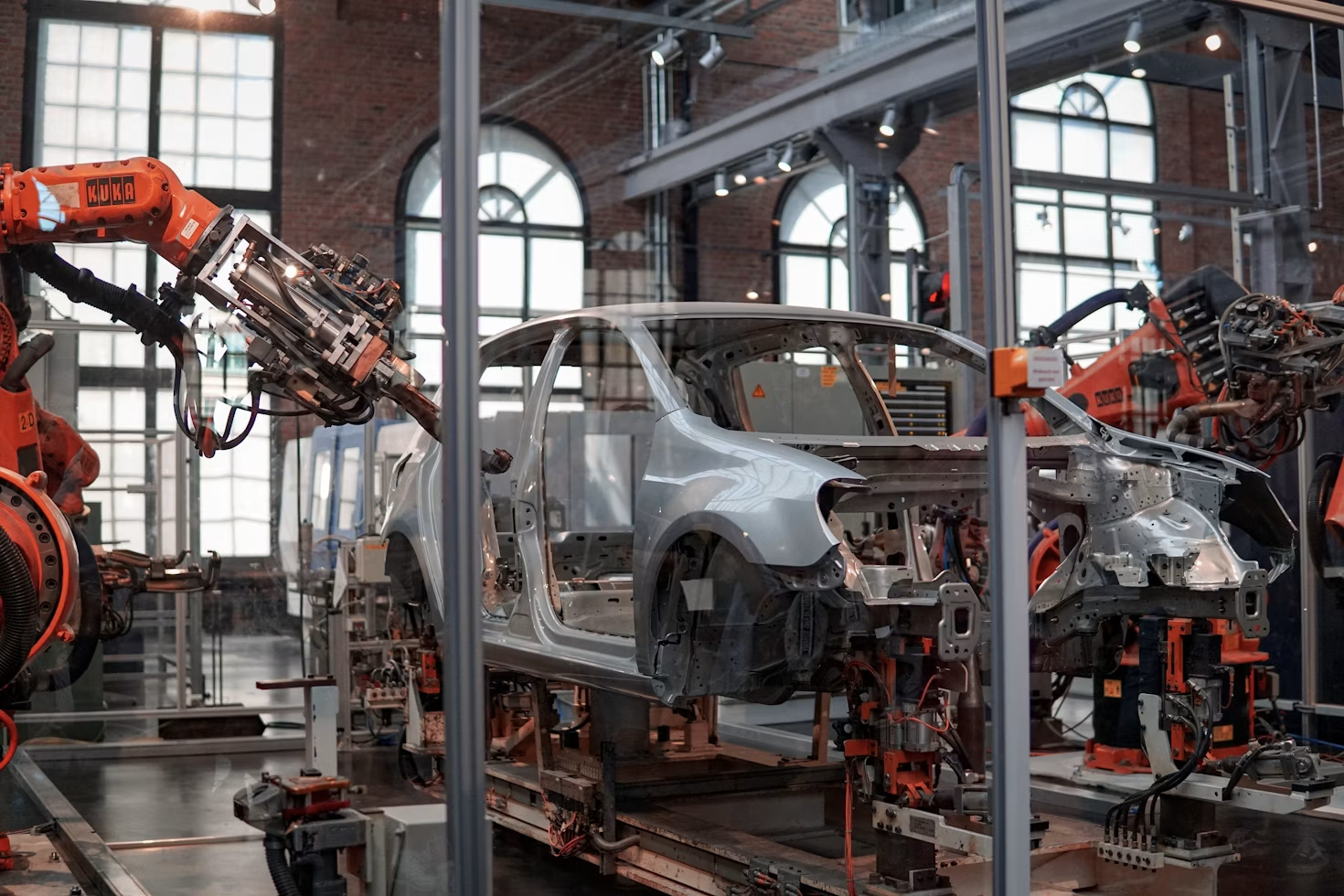
In heavy industry, critical equipment almost always has a backup. Engineers understand that certain assets are simply too important to fail. A secondary power source, duplicate systems, or a backup boiler feed pump may sit idle for long periods, but their existence provides insurance against disaster.
Many businesses take the opposite approach. They operate with no safety margin whatsoever. One employee knows how a critical system works. One supplier provides a vital component. One customer represents a significant percentage of revenue. Everything appears efficient until something unexpected happens. Then the cracks start to show.
The reality is that resilience often requires accepting a degree of intentional inefficiency. Maintaining cash reserves, cross-training employees, diversifying vendors, and developing multiple revenue streams may seem excessive during periods of stability.
But stability never lasts forever. Economic downturns, supply disruptions, employee turnover, and changing customer behavior can appear with very little warning. Businesses that have built strategic redundancy are often able to absorb those shocks while competitors scramble to react.
Adopt a preventive mindset instead of constantly reacting
One of the biggest differences between high-performing manufacturers and struggling organizations is how they deal with problems. Manufacturers don’t wait for equipment to break before taking action. They inspect machinery, monitor performance data, and schedule maintenance before failures occur.
This philosophy is known as predictive maintenance, and it’s one of the most valuable lessons business leaders can borrow. Many companies spend their days reacting to emergencies. A top employee suddenly quits. A major client leaves. Software crashes. Customer complaints spike. Sales begin slowing down.
The issue isn’t necessarily that these problems occurred. The issue is that they were often predictable. Employee burnout usually leaves clues. Customer dissatisfaction often appears in feedback months before churn happens. Aging technology typically shows warning signs long before it fails completely.
The strongest leaders look for patterns before problems become crises. Strong leaders conduct regular team check-ins. They also monitor customer retention metrics and review workflows before performance declines. Rather than spending every day putting out fires, they invest time identifying risks early.
Build systems that make mistakes harder to make
One of manufacturing’s most fascinating concepts is Poka-Yoke, a Japanese term often translated as mistake-proofing.
The idea is surprisingly simple. Instead of relying on people to be perfect, design systems that make errors difficult or impossible. Manufacturers use this philosophy constantly. Components are designed to fit together only one way. Sensors stop machinery if parts are installed incorrectly. Automated checks catch issues before products move further down the line.
Many organizations respond to mistakes by focusing on individuals. One employee may enter incorrect information, skip a step, or miss an approval.
While accountability matters, resilient businesses ask a different question. Instead of focusing only on the person who made the mistake, they look at the process behind it. Software can validate information automatically, approval workflows can reduce unauthorized actions, and checklists can help ensure important steps are completed correctly.
When organizations focus on building smarter processes instead of blaming employees, error rates typically fall while productivity rises.
Find the real bottleneck before chasing growth
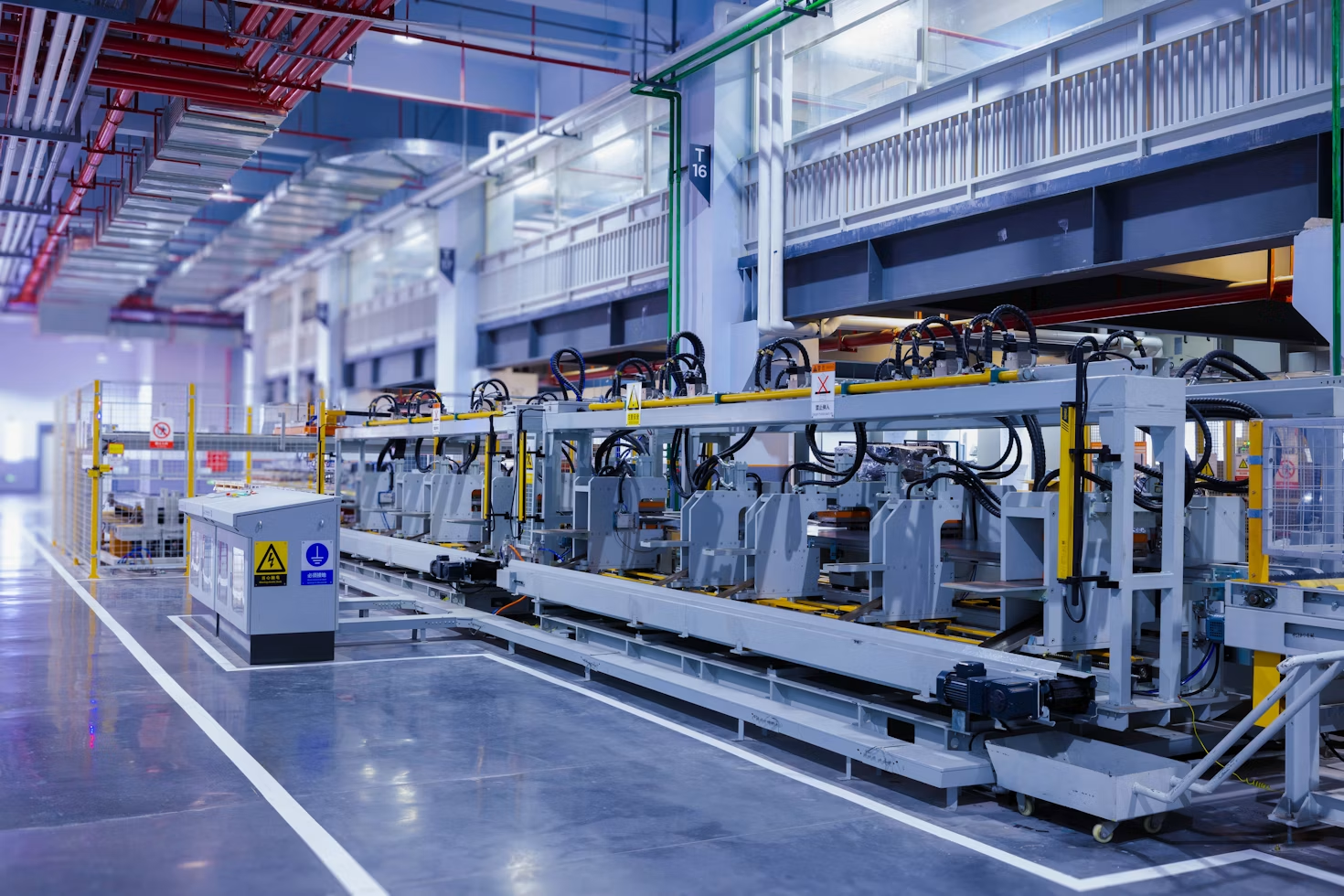
Factories operate according to a simple rule: the entire operation moves at the speed of its slowest process. It doesn’t matter how quickly every other machine performs if one section cannot keep up. That limiting factor determines overall output.
The same principle applies to bottlenecks in business. Many leaders become obsessed with growth initiatives without understanding what is actually limiting performance. A company may double its marketing budget while customer support is already overwhelmed. A sales team may generate record-breaking demand while fulfillment struggles to keep pace. An organization may hire aggressively while onboarding processes remain completely broken.
An efficient production line works because every stage is aligned. Resources, staffing, and processes are balanced to support overall throughput. Businesses should think the same way.
Before investing heavily in expansion, leaders should identify the constraint currently limiting results. Is it lead generation? Sales conversion? Fulfillment? Customer retention? Employee capacity? Improving the bottleneck usually delivers far greater returns than optimizing areas that are already functioning well. The fastest-growing organizations are often the ones that understand exactly where their limitations exist.
Documentation creates consistency and confidence
Few business practices are more misunderstood than documentation. Many people hear the phrase standard operating procedure and immediately picture bureaucracy, endless manuals, and unnecessary paperwork.
Manufacturers see documentation differently. In industrial environments, consistency isn’t optional. Every process must be repeatable, predictable, and safe. Workers follow documented procedures because reliability depends on it.
Far from limiting innovation, documentation actually enables it. When routine tasks are clearly defined, employees spend less time figuring out basic processes and more time solving meaningful problems.
The same principle applies to modern businesses. Documented onboarding procedures reduce training time. Standardized customer service workflows improve consistency. Clear operating guidelines reduce confusion and help teams work independently.
Most importantly, documentation makes organizations less dependent on individual employees. Knowledge becomes an organizational asset rather than something trapped inside one person’s head. That creates flexibility, scalability, and resilience.
The strongest businesses prepare before they need to
The biggest lesson heavy manufacturing teaches us is surprisingly simple: resilience isn’t built during a crisis. It’s built beforehand.
Backup systems are installed before failures occur. Maintenance schedules exist before equipment breaks. Bottlenecks are addressed before growth overwhelms them. Procedures are documented before key employees leave.
Leaders who wait until problems appear are usually forced into reactive decisions. Leaders who prepare in advance create options, flexibility, and stability. The organizations that thrive over the long term aren’t necessarily the most aggressive or the fastest growing. They’re often the ones that quietly build systems capable of handling uncertainty.