
The Logistics Behind Large-Scale Workforce Housing
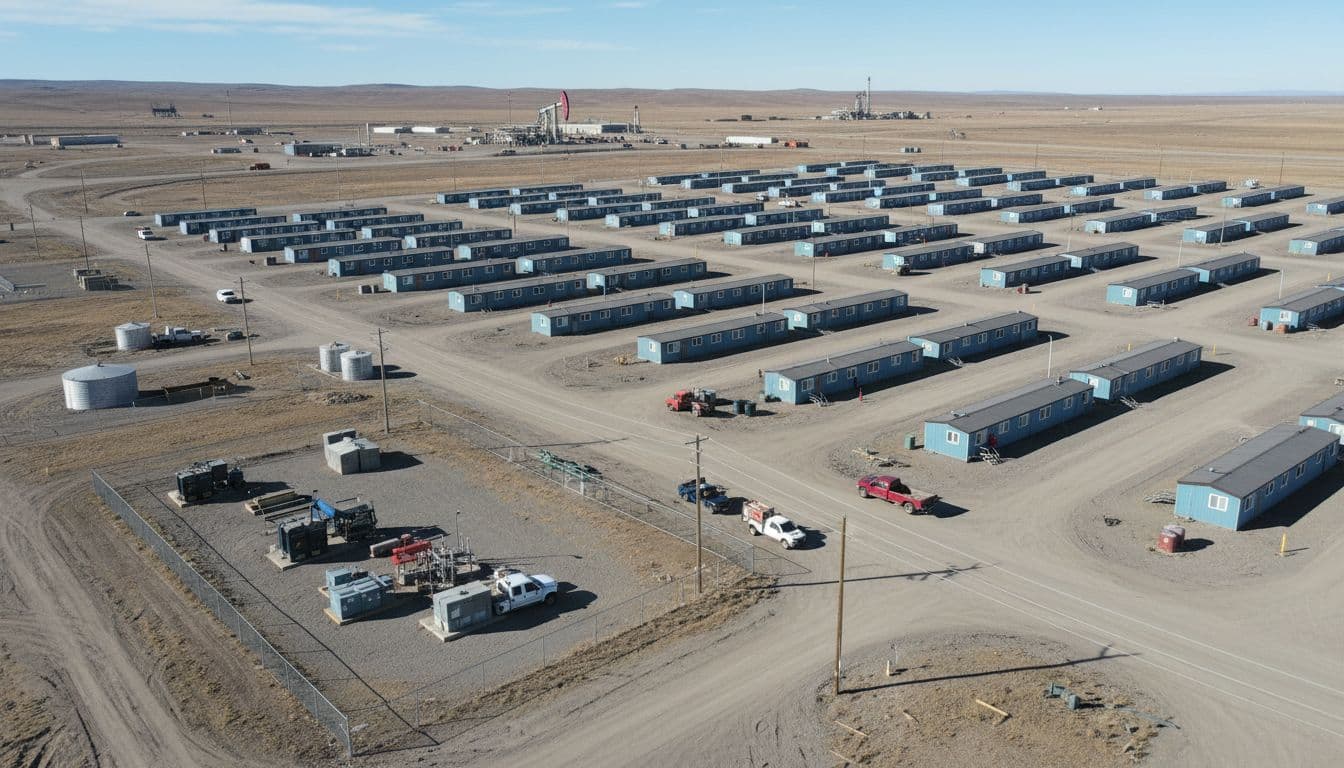
Building temporary communities for thousands of industrial workers requires detailed preparation. Companies often place these camps in isolated fields miles from the nearest town. These distant locations lack access to traditional city infrastructure like power grids or water lines.
Project managers must arrange lodging, food, and utilities before the crew arrives. Developing a solid plan keeps the project moving forward without costly delays. Successful completion of heavy industrial work relies on this initial deployment phase.
Planning Remote Accommodations
Moving large crews to remote oil fields or mining sites requires major administrative effort. Teams must map out the acreage to place residential cabins efficiently. This initial planning phase sets the stage for all future construction activities.
Remote locations present tough setup challenges for incoming crews. There are providers that deploy mobile assets to establish operational bases, explains the Cotton Logistics team. These structures supply power and clean water to hundreds of workers living on site.
Managers budget around $50000 for early site grading and leveling. This ground preparation prevents flooding during heavy rainstorms later in the season. Proper drainage keeps the entire living area safe for foot traffic.
Supply Chain Management for Remote Sites
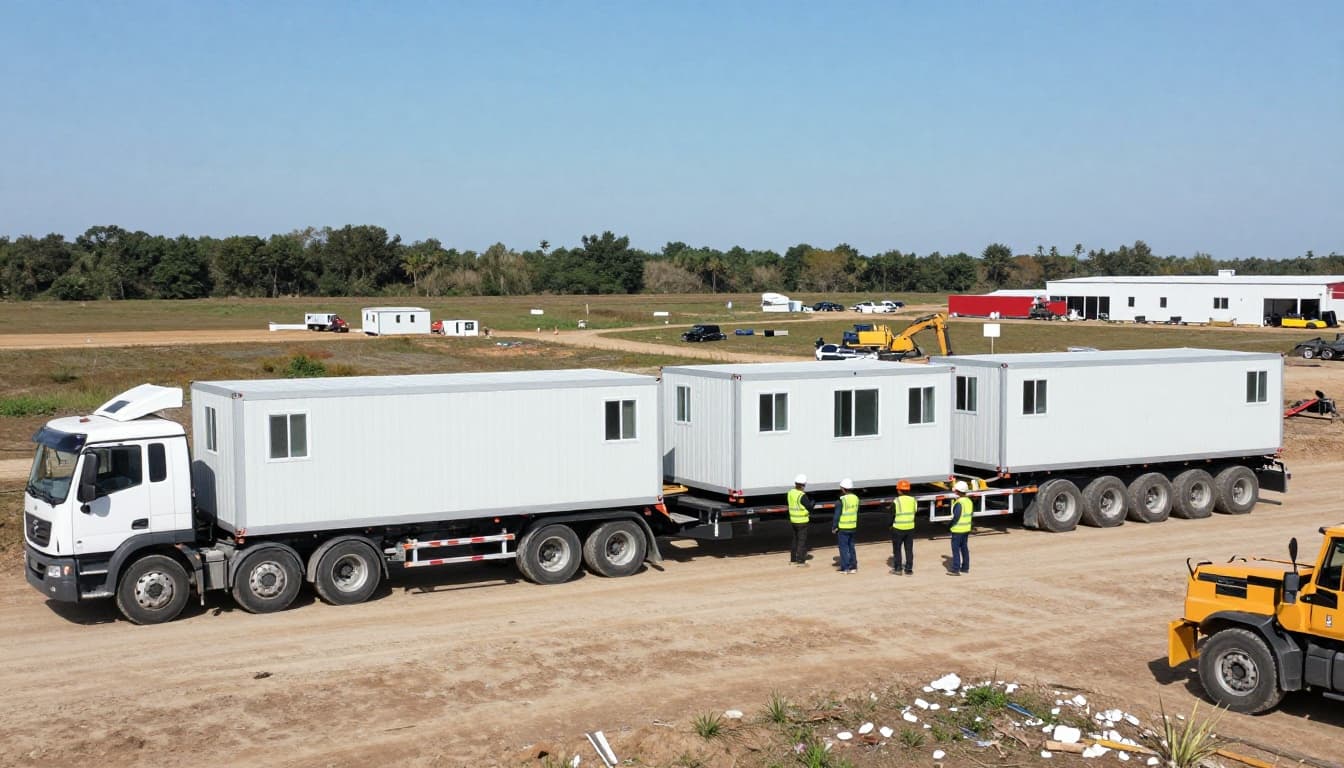
Materials must arrive on a strict timeline to prevent operational delays. Trucks transport modular bedrooms across long distances every week to meet deadlines. Coordination teams track every shipment to avoid bottlenecks at the drop site.
Logistics coordinators track shipments using advanced satellite GPS devices. Fleet drivers face rough dirt roads to deliver heavy building components to the camp. Safe driving practices keep the cargo intact during these difficult journeys.
Transport delays can cost operations over $10000 per day in lost labor time. Precise tracking keeps the entire assembly process on schedule from start to finish. Teams adjust delivery windows when bad weather threatens the region.
Innovative Building Methods
Modern workforce camps rely heavily on pre-assembled modular structures. External factories build these units in controlled indoor environments before transport. This factory method protects building materials from rain and wind damage.
A report from a housing research center indicated that industry innovation offers a clear path to lower production costs. Speed increases when crews use pre-made blocks instead of traditional lumber. This modern system reduces material waste significantly across the board.
Local crews connect these modules on site within 3 days. The finished buildings withstand harsh winter weather and high winds easily. Fast assembly allows companies to house their workforce much sooner than standard methods.
Managing Daily Site Operations
An academic journal focused on systems noted that organizing staff schedules represents a fundamental concern for local operations. Administrators adjust shifts to maintain constant security coverage around the clock. Proper scheduling keeps administrative tasks running smoothly.
Camp managers oversee maintenance requests through simple digital portals. Plumbers fix pipe leaks quickly to keep residents comfortable in their rooms. Fast response times prevent minor facility issues from becoming expensive repairs.
Daily cleaning crews sanitize shared restrooms and laundry rooms on a strict schedule. Clean environments prevent the spread of illness in close living quarters. Keeping the facility spotless supports the overall health of the residents.
Catering and Dietary Logistics
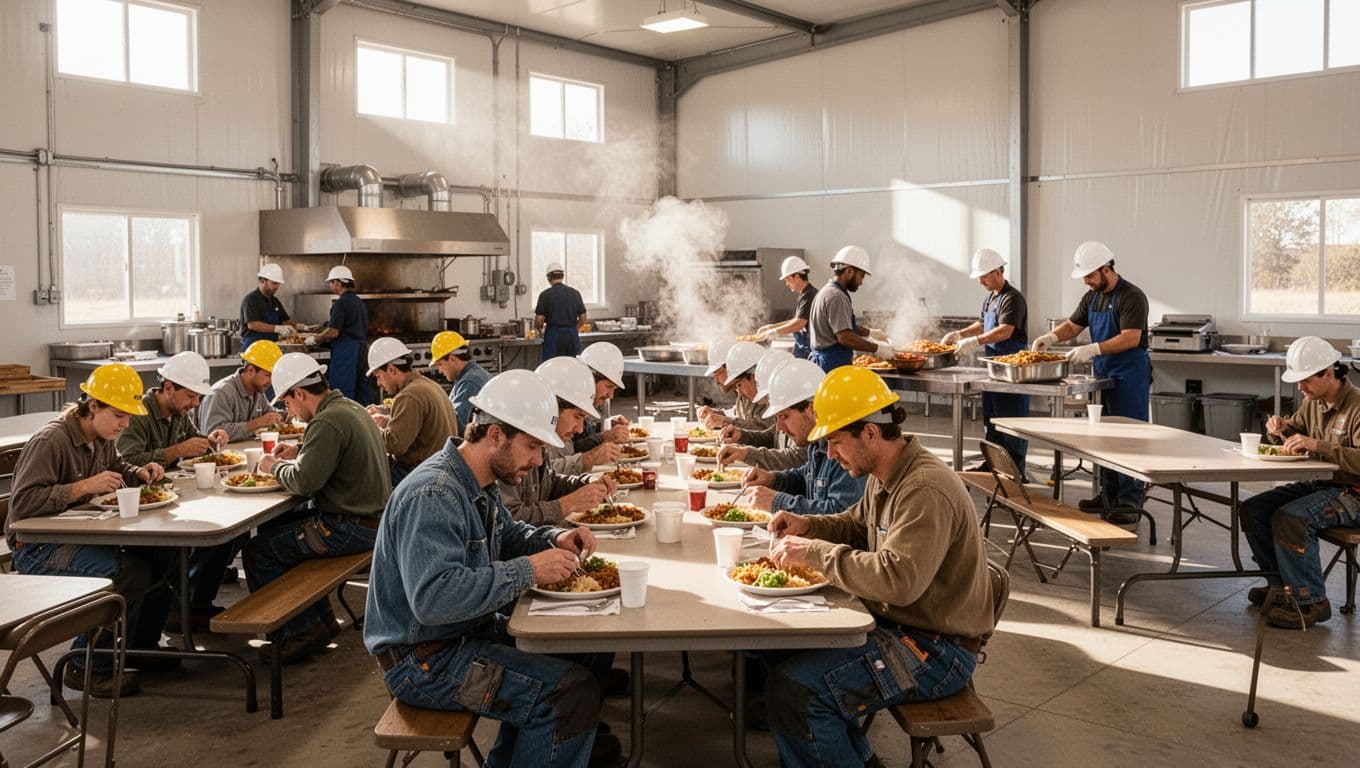
Feeding 500 hungry workers requires a massive commercial kitchen operation. Experienced chefs order food supplies in bulk quantities weeks in advance to save money. This bulk ordering prevents sudden shortages when deliveries face road delays.
Dining halls stay open 24 hours to accommodate various night shifts. The kitchen staff prepares 3 hot meals every day for the crew. Nutritious food options help workers maintain high energy levels during long shifts.
Kitchen logistics involve strict storage protocols to protect the food supply. Staff members monitor several critical factors on a daily basis:
- Temperature controls for walk-in freezers
- Dry food inventory levels are monitored weekly
- Daily waste disposal routines
Proper food management keeps the workforce healthy and productive throughout the project.
Utility Infrastructure and Waste
Remote facilities require independent power systems to operate reliably. Large diesel generators supply electricity to every cabin on the property around the clock. Technicians perform routine checks on these units to avoid unexpected blackouts.
Water trucks deliver thousands of gallons of potable water to the site daily. Technicians test the water quality regularly to meet local health safety codes. Reliable water storage tanks prevent shortages during high-demand hours.
Sewage holding tanks require regular pumping services to prevent environmental issues. Managers hire local contractors to haul waste away 3 times a week. Clean waste management keeps the campsite compliant with environmental regulations.
Safety and Transport Coordination
Shuttles transport employees from the residential camp to the active job site. Regular bus schedules reduce the number of private vehicles on narrow dirt roads. Fewer vehicles mean less traffic congestion during morning shift changes.
Drivers follow strict speed limits to avoid accidents in thick dust clouds. Mechanics service the transport fleet every 3000 miles to prevent breakdowns. Reliable transportation keeps the daily work schedule running without issues.
Medical clinics on site provide immediate care for minor injuries and illnesses. Safety officers train residents on emergency evacuation steps during their first week. Quick access to professional medical care gives workers peace of mind.
Efficient lodging systems keep industrial operations running without costly interruptions. Proper care for crews leads to higher retention rates on long jobs.
Companies protect their multi-million dollar project investments by prioritizing comfortable accommodations. Strong logistics turn empty remote fields into functional homes for workers.