
7 Tips For Saving Money On Your Business Premises
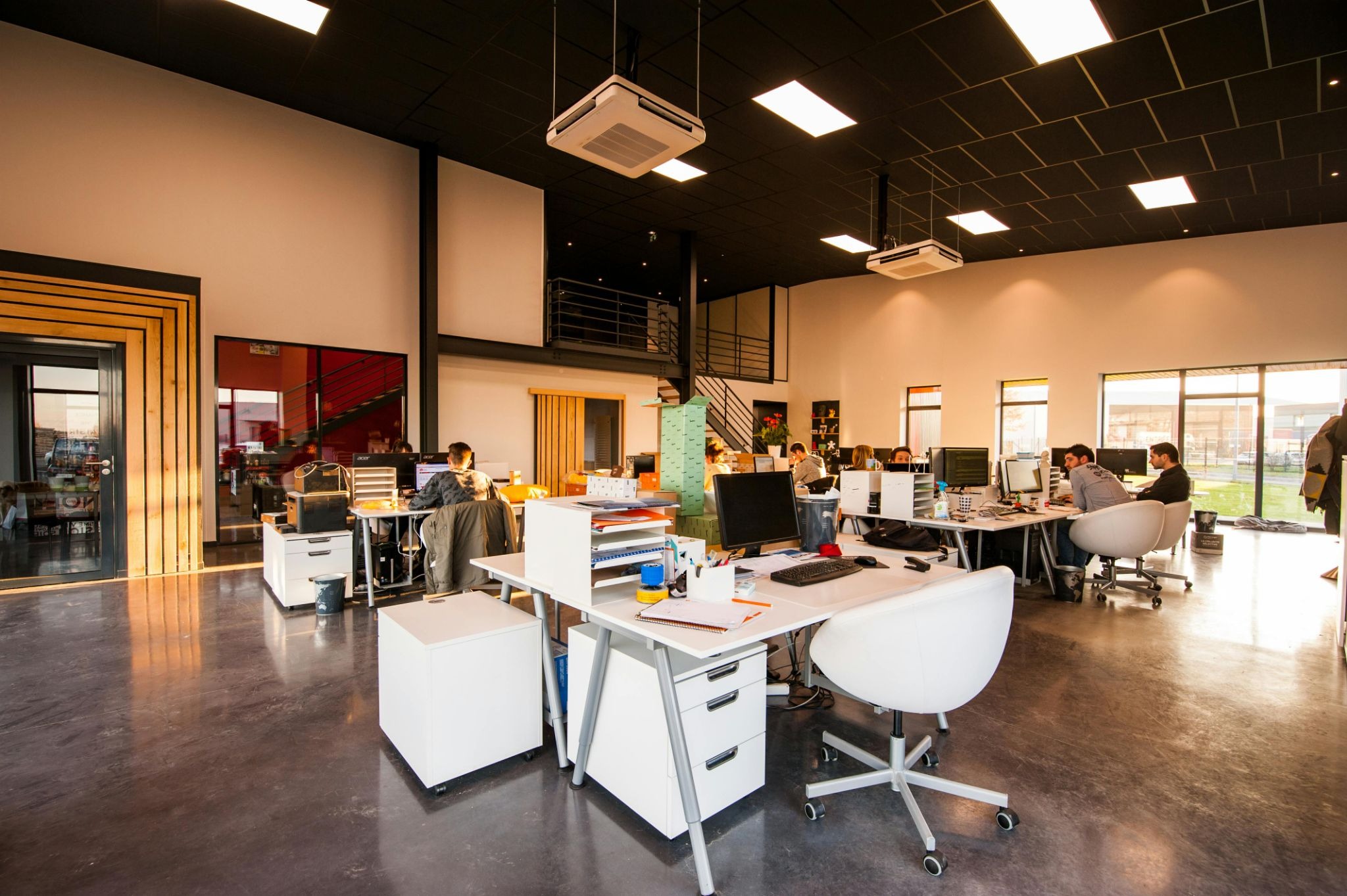
Expensive work premises can eat away at your profits. If you’re launching a business on a tight budget or you’re an established company trying to make cutbacks, think first about how you can lower workspace costs before considering other bills. Below are a few tips that can help you reduce work premises overheads
1 – Select the right location
Prime postcodes come with prime price tags. Consider whether you really need to be based in a prestige area or whether you’d be better off settling for somewhere less glamorous and cheaper. Sometimes even moving a few streets can make a big difference. Make sure that your new location is still accessible to your employees and customers and be careful of taking on additional risks (such as moving into a high-risk flood zone or high crime area).
2 – Negotiate your lease
Almost everything in a lease is negotiable if you ask. Whether you’re moving into a new building or renewing a lease, make sure to carefully consider the terms before signing. It might be possible to negotiate a rent-free period during fitting out, a break clause or even caps on service charges. Getting professional advice from a company like Michael Law Lennard Commercial Realty could be worthwhile – especially when negotiating lease terms on large premises.
3 – Consider fitted and furnished workspaces
Having to fit and furnish a workspace costs extra money. Some buildings may already be set up for your needs if they were previously used by a company within the same industry. For example, it’s much cheaper and easier to open a restaurant in a building that was previously a restaurant, than to fit a kitchen into a building. ‘Plug and play’ offices meanwhile may already have things like phone lines and Wi-fi set up.
If you’re inheriting or managing a commercial kitchen space, proactive preventative maintenance is essential to keep operational overheads low. Neglecting heavy grease accumulation inside exhaust systems can lead to inefficient airflow, increased energy bills, and severe fire risks that threaten your lease.
Partnering with a professional hood cleaning service like Cook Air Clean ensures your exhaust system remains fully compliant with fire safety codes while running at peak efficiency. Keeping commercial ventilation equipment thoroughly degreased prevents costly emergency repairs and extends the lifespan of expensive kitchen hardware, saving your business significant capital over time.
4 – Let or sublet empty space
Got an empty room in your work building? It may be possible to rent it out to another company. You could even turn it into a meeting room that various companies and freelancers can use when they need it. Letting and subletting empty space allows you to make an extra passive income in order to help cover rent or a mortgage.
5 – Share a work premises
Shared and co-working spaces have become very popular – they are buildings shared by lots of different businesses. Everyone divides the running costs and you can often sign up to much shorter leases. It’s particularly popular when it comes to warehousing and office space.
6 – Don’t overlook energy-efficiency
Some buildings are more energy-efficient than others. Consider features like insulation, solar panels and modern HVAC when viewing new workspaces. In some cases, it may be possible to lower energy bills by making your own modifications such as replacing incandescent bulbs with LEDs. Good habits like turning off lights when not in rooms can also save costs in the long run.
7 – Switch to a virtual office
It might be possible to run your business from home. Employees may be able to work remotely and you can rent out meeting space when you need it. Professional services aren’t the only types of companies that can do this – it’s also possible to open a takeout restaurant from your kitchen (also known as a ‘ghost kitchen’) or an online store from your garage.