
Turn Travel Packages Into Bookings with These Marketing Tools

Selling travel packages isn’t just about putting together great itineraries anymore. You can have the most exciting destinations, competitive pricing, and well-planned tours, but if your marketing doesn’t connect with the right people, those packages will sit untouched. The travel industry has become more competitive, more digital, and more dependent on how well you present your offers online.
The good news is that you don’t need a massive team or a huge budget to turn things around. With the right marketing tools and a thoughtful approach, you can turn casual interest into actual bookings. It’s not about doing everything at once. It’s about choosing tools that simplify your workflow while helping you reach travelers at the right time.
Start with content that actually sells the experience
Travel is emotional. People don’t just buy flights or hotel stays. They buy the feeling of being somewhere new. That’s why your content needs to go beyond listing what’s included in a package.
Modern content creation tools can help you write blog posts, social media captions, and even email campaigns that highlight the experience behind the destination. Instead of saying “3 days in Palawan,” you can paint a picture of island hopping, quiet beaches, and sunsets that feel unreal. Tools that assist with writing and editing make it easier to stay consistent, even if you’re not a professional copywriter.
Visual tools matter just as much. Platforms that help you design quick graphics or short-form videos can make your packages more appealing at a glance. A well-edited 15-second video often does more than a long paragraph ever could.
Use social media scheduling tools to stay consistent
One of the biggest challenges for travel agents and small agencies is consistency. Posting once every few weeks won’t build momentum. People need to see your brand regularly before they trust it enough to book.
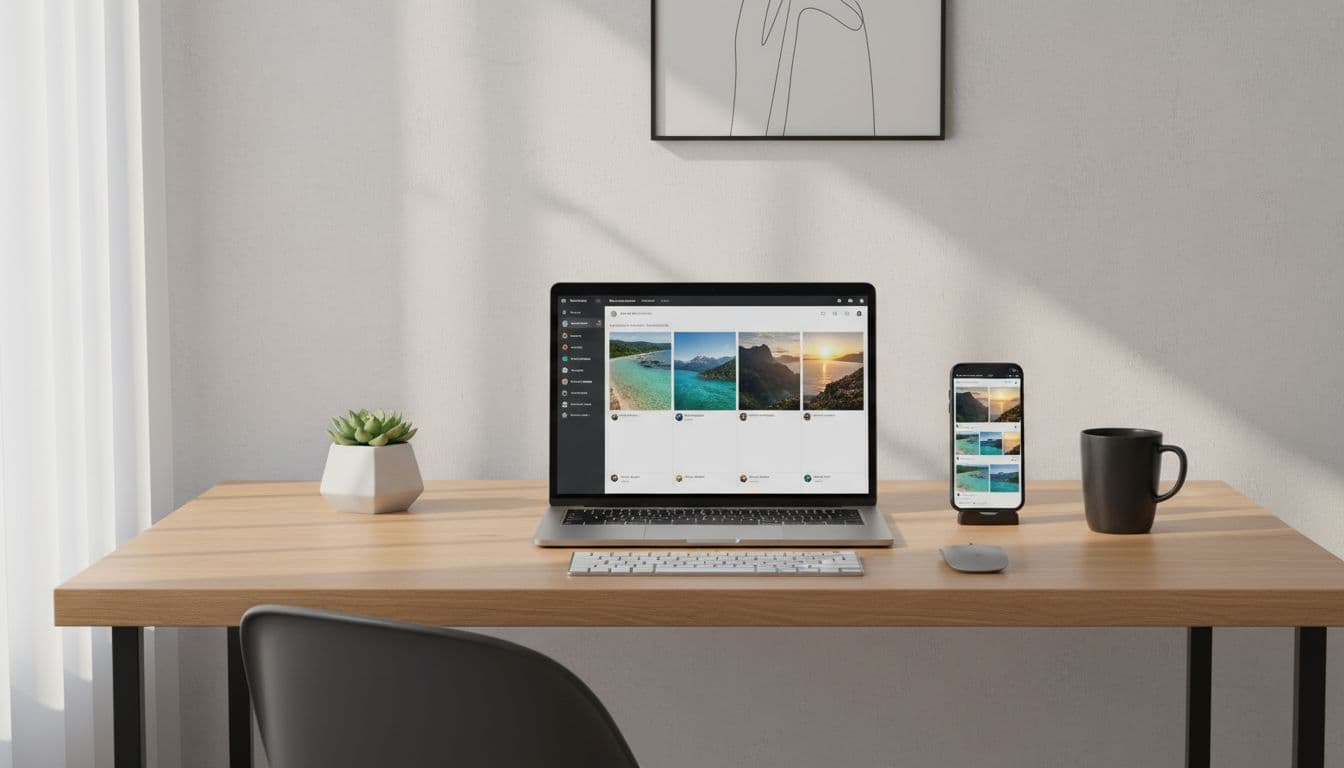
Social media scheduling tools solve this problem. They let you plan weeks of content in advance and post automatically. This means you can batch your work in one sitting and stay active without having to log in every day.
Consistency builds familiarity. Familiarity builds trust. And trust is what turns someone from a follower into a paying customer.
Turn inquiries into bookings with better follow-ups
Getting inquiries is great, but it’s only half the job. Many potential customers ask questions and then disappear. Often, it’s not because they lost interest. It’s because they got distracted or found another option.
Email marketing tools and CRM systems can help you follow up in a way that feels natural rather than pushy. You can send reminders, share additional details, or offer limited-time deals to encourage action.
Simple automations can make a big difference. For example, if someone asks about a package but doesn’t book, you can send a follow-up email a day later with photos, testimonials, or a small incentive. This keeps your offer fresh in their mind without requiring manual effort every time.
Build trust with reviews and user-generated content
Travelers rely heavily on other people’s experiences. Before booking anything, they want to know if it’s worth it. That’s where reviews and user-generated content come in.

Marketing tools that help you collect and display reviews can strengthen your credibility. Whether it’s testimonials on your website or reposted photos from past clients, this kind of content shows that real people have enjoyed what you’re offering.
Encourage your customers to share their trips online and tag your business. Then reuse that content in your marketing. It feels more authentic than branded promotions and often performs better.
Optimize your offers for search and discovery
People are constantly searching for travel ideas online. If your packages aren’t showing up, you’re missing out on a huge opportunity.
SEO tools can help you identify what potential travelers are searching for and guide you in creating content around those topics. Instead of guessing what to write, you can focus on keywords that already have demand.
For example, someone planning a vacation might search for affordable island getaways or family-friendly travel packages. If your content answers those searches, you’re already one step closer to a booking.
This becomes even more relevant during peak seasons. Around mid-year, for instance, many travelers start looking into AI-powered summer travel planning options to save time and discover better deals. Aligning your content with these trends can bring in highly motivated customers who are ready to book.
Simplify campaign planning with all-in-one tools
Managing multiple tools can get overwhelming. Writing content in one place, scheduling in another, tracking performance somewhere else. It adds up quickly.
All-in-one marketing platforms are designed to bring everything together. They allow you to create content, plan campaigns, publish posts, and analyze results from a single dashboard. This saves time and reduces the chances of things slipping through the cracks.
For travel agents juggling multiple clients and packages, this kind of setup can make a noticeable difference. Instead of spending hours switching between tools, you can focus on refining your offers and engaging with your audience.
Track what works and adjust quickly
Not every campaign will succeed, and that’s okay. What matters is how quickly you learn and adapt.
Analytics tools show you which posts are getting attention, which emails are being opened, and which campaigns are driving bookings. This information helps you understand what your audience responds to.
If a certain destination gets more engagement, you can create more content around it. If a specific type of post performs well, you can replicate that format. Over time, these small adjustments can significantly improve your results.
Focus on the customer journey, not just the sale
It’s easy to focus only on closing the sale, but bookings are usually the result of a longer journey. A traveler might discover your page, follow you for weeks, engage with your posts, and only then decide to book.
Marketing tools help you stay present throughout this journey. From the first point of contact to the final booking, each interaction builds trust and familiarity.
When you approach marketing this way, you’re not just pushing packages. You’re building relationships. And in the travel industry, relationships often lead to repeat bookings and referrals.

Final thoughts
Turning travel packages into bookings isn’t about using every tool available. It’s about using the right ones in a way that supports your workflow and connects with your audience.
Start small. Focus on creating better content, staying consistent, and following up with potential clients. As you grow more comfortable, you can explore more advanced tools and strategies.
At the end of the day, people are looking for experiences they can trust. If your marketing can communicate that clearly and consistently, bookings will follow.