
Travel Smart to Reduce Injury Risks on Vacation
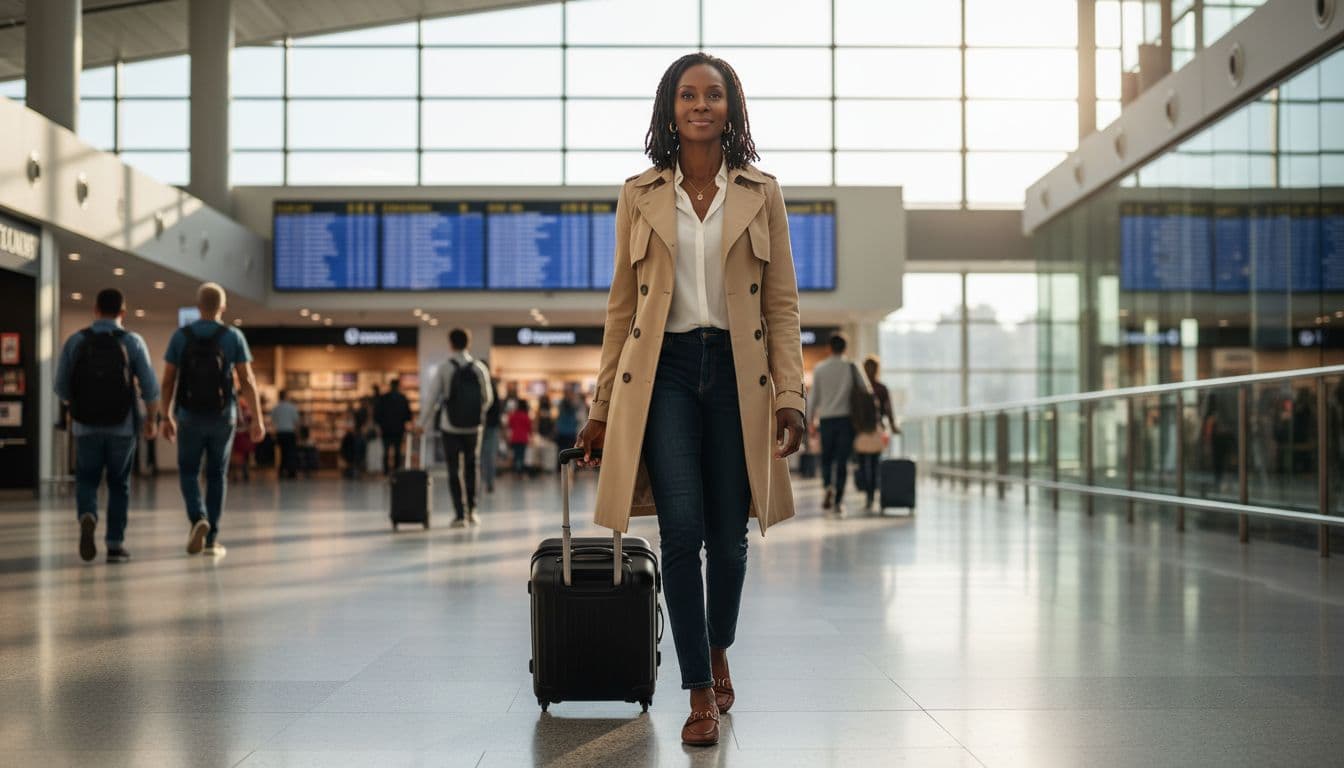
Trips bring excitement – and new experiences. Travelers spend weeks booking flights and finding the best hotels. They imagine the food and the sights they will see. Most people focus on the fun parts of the journey.
Staying safe requires a bit of effort before leaving home. Small habits prevent major issues during the stay. These choices make the difference between a great memory and a bad day. A little planning goes a long way for a peaceful trip.
Selecting Safe Travel Modes
Travelers choose the fastest way to get to their destination. Speed seems great – comfort and safety matter just as much. Looking at safety ratings for bus lines or trains helps make a better choice. Checking these details takes only a few minutes online.
Planes remain a top choice for long trips. Checking the carrier history provides peace of mind before booking. Some regions have better tracks for public transit than others. Flyers should look at reviews for local airlines before buying tickets.
Walking is the best way to see a new city. Proper shoes help avoid trips or stumbles on old streets. Map out the path before leaving the hotel lobby to avoid getting lost. Comfortable feet make for a much longer day of sightseeing.
Understanding Common Risks
New environments present hazards that residents might ignore. A loose stone or a steep ledge looks different to a visitor. Paying attention to signs keeps everyone on the right path. Vigilance is the best tool for staying on your feet.
Travelers face different environments than they find at home. Finding local attorneys becomes a priority if an accident happens during exploration of new cities. Knowing who to call helps manage stress during a crisis. Quick action limits the long-term impact of a mistake.
Crowded areas often hide small dangers. Keep eyes on the ground and the surroundings at all times. Moving slowly prevents most simple mistakes in busy places. Take your time when navigating through a large group of people.

Watching For Walking Hazards
Slippery floors are a major cause of trouble for tourists. Wet tiles near pools or spillages in lobbies cause problems quickly. Watch for yellow caution signs in high traffic spots. Cleaning crews do their best, but spills happen all the time.
A safety blog noted that trips and falls on the same level lead to 2 fatalities each year. These incidents often act as the start of more serious health issues later. Staying upright is the goal for any vacationer. A simple tumble can lead to hospital visits.
Lighting plays a big role in keeping paths safe. Dark hallways or dim staircases hide uneven steps. Use a phone light when walking in areas with poor lighting to see clearly. Good vision prevents the most common types of stumbles.
Staying Alert During Outings
Nature trips offer great views – they include height risks. Climbing rocks or hills takes focus and the right gear. One slip can change the mood of the entire trip in a second. Respecting the terrain is the first step to a safe hike.
Recent safety data indicate that 28% of deaths in outdoor sectors happen from falls from heights. Another 15% occur when people get hit by moving objects in the area. Keeping a safe distance from edges and machines is wise. Stay back from the ledge to get the best view safely.
Guides know the terrain better than anyone else. Follow their lead to avoid loose dirt or falling debris. They point out the spots where others have struggled before to keep the group safe. Listening to expert advice saves a lot of trouble on the trail.
Rental Vehicle Habits
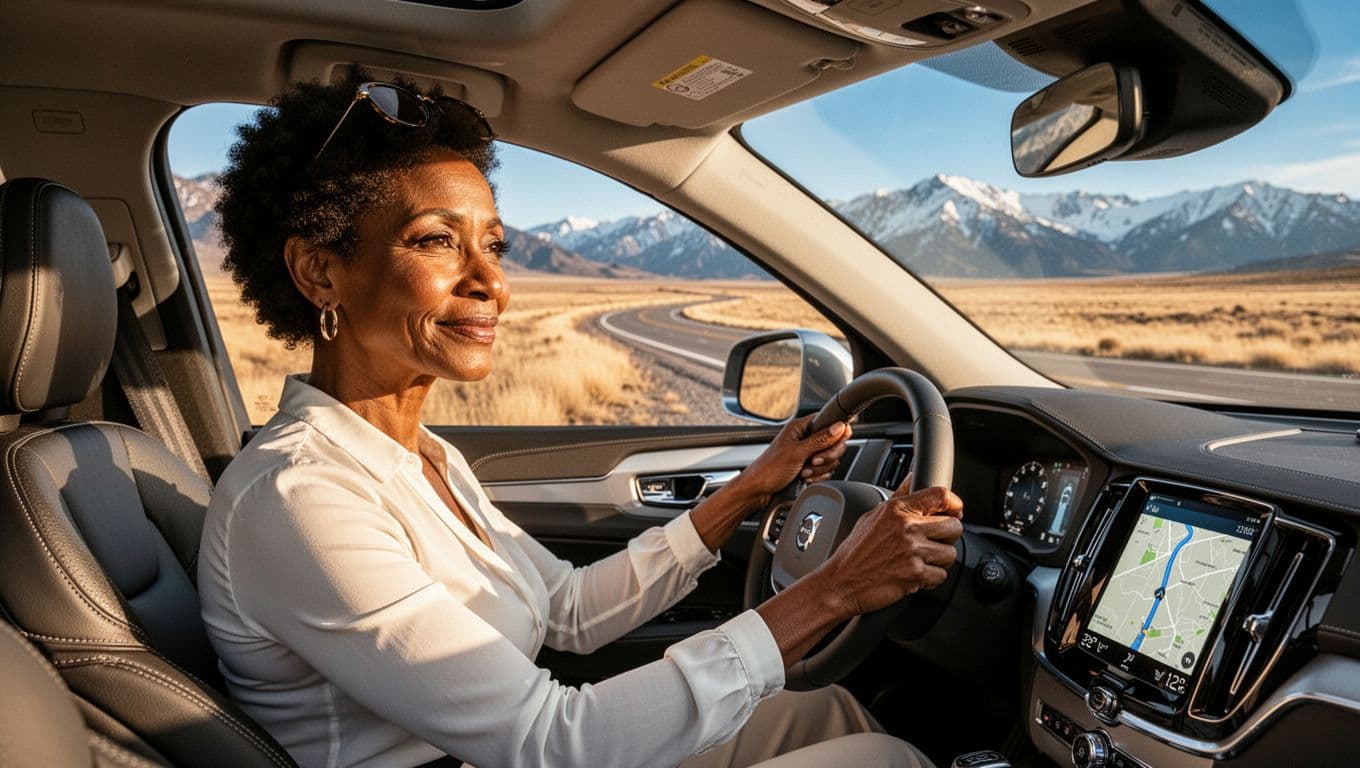
Driving in a new place feels different than driving at home. Different laws and street signs require extra focus from the driver. Check the car for any issues before leaving the rental lot. Tire pressure and brakes should always be in top shape.
A consumer report found that men are 2 times more likely than women to drive recklessly in rental cars. This behavior increases the chance of a crash on unfamiliar roads. Stay calm and follow the speed limits to stay safe. Speeding in a car you do not own is never worth the risk.
Navigation apps help find the way without getting lost. Set the destination before starting the engine. Checking a map during movement distracts the driver from the road. Focusing on the glass screen takes your eyes off the path.
Smart Packing Habits
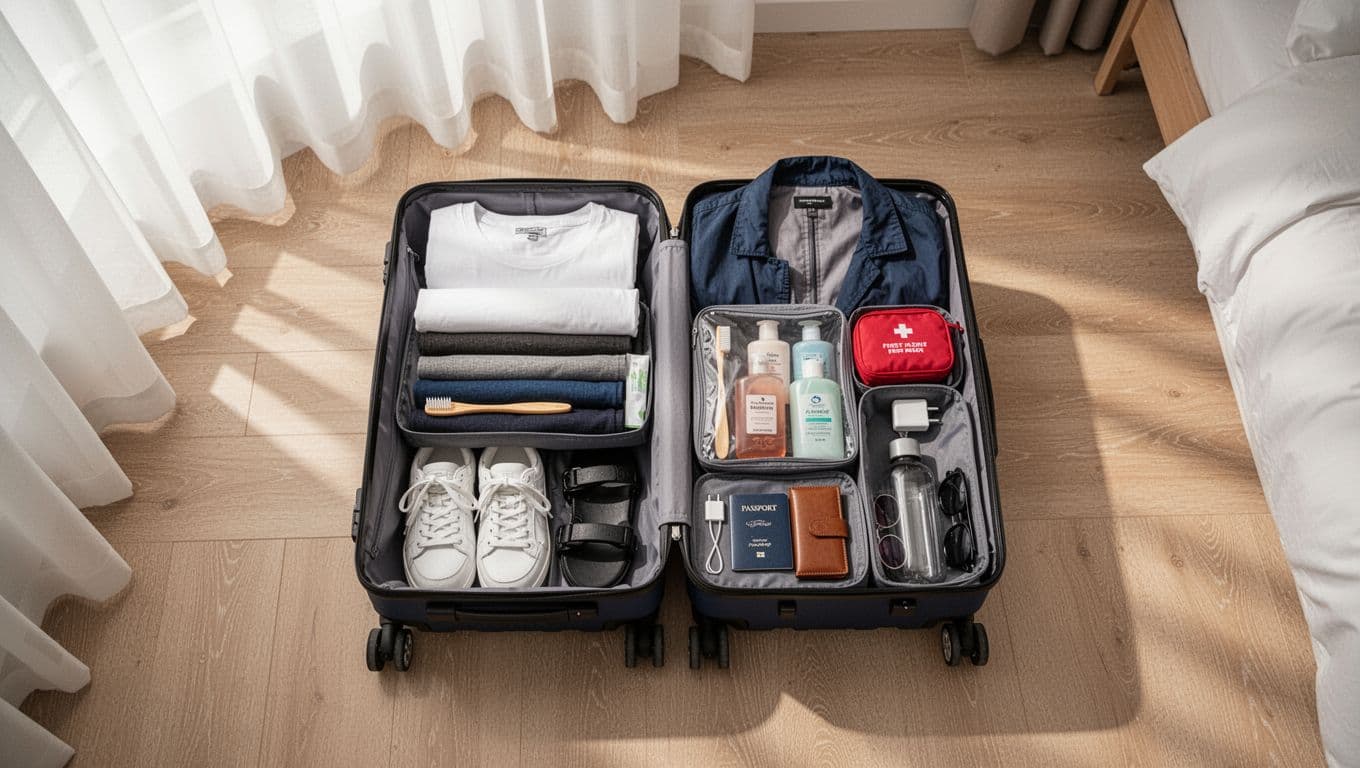
Bringing the right items reduces the chance of physical strain. Heavy bags hurt the back and make moving through airports hard. Pack light to keep the body feeling good. Lifting heavy luggage is a common way to pull a muscle.
Consider these items for a safer journey:
- First aid kit for small cuts.
- Reflective gear for night walks.
- Proper shoes with a good grip.
- Portable chargers for phone maps.
Having these tools on hand makes small issues easy to fix. Preparation keeps minor cuts from turning into big problems.
Sunscreen protects the skin during long days outside. Heat exhaustion is a real threat in many popular spots. Drink plenty of water to stay hydrated throughout the day. Rest in the shade during the hottest parts of the afternoon.
Protecting Personal Space
Keeping a distance from others helps avoid accidental bumps. Crowds at festivals or markets move in waves. Pushing through leads to stumbles or falling over. Patience is a virtue when moving through a thick crowd.
Hold handrails when using stairs or escalators. These tools exist to catch a person during a slip. Using them is a simple habit that saves a lot of pain. Balance is key when moving between levels in a building.
Check the weather report every morning. Rain makes sidewalks slick and hides deep puddles. Dress for the conditions to keep the feet dry and stable. Wet feet lead to blisters and poor footing on the street.
Smart travel choices lead to better vacations for everyone. Taking a moment to look around prevents most accidents. Focus on the surroundings to enjoy the trip without any issues. A cautious traveler is a happy traveler in the end.
Safety does not have to be a chore. These small habits become part of the journey. Pack the bags and head out with a plan for a smooth trip. Enjoy every second of the adventure with a safe mindset.