
Remodeling for Wellness: Creating Your Home Sanctuary
Everyone wants a home that feels like a retreat from the world. Life is busy and fast-paced, so having a space to recharge is a necessity for mental health.
Remodeling with a focus on wellness turns a standard house into a restorative sanctuary. Small changes or large overhauls make a massive difference in how you feel every day.
Defining Your Personal Wellness Sanctuary
A wellness sanctuary is a space designed to support your health and happiness. You might need a quiet room for meditation or a bright area for morning yoga. Every person has different requirements for relaxation and recovery.
Start by identifying which areas of your home cause the most stress. Cluttered kitchens or dark hallways often drain your energy without you realizing it. Fixing these issues creates a smoother flow for your daily routine.
A well-designed home should reflect your personal journey toward health. It is not just about following the latest fashion.
Finding Expert Help For Your Vision
Planning a major update requires careful thought and professional guidance. Finding a reliable construction and remodeling contractor is a key step in making sure the project goes smoothly and meets your goals. Having the right team helps avoid common mistakes that lead to more stress later.
Ask for references and check past projects to see if their style matches your wellness goals. Clear communication keeps the timeline on track and makes sure the final result is exactly what you imagined. A good team manages the hard work so you can focus on the design.
Working with experts allows you to explore possibilities you might not have seen. They understand the structural needs of your home and respect your vision for a peaceful retreat.
Bringing The Outdoors Inside
Nature has a powerful effect on the human mind and body. Incorporating plants or even pictures of natural vistas can lower your heart rate. A health resource recently pointed out that looking at images of the outdoors helps lower stress levels.
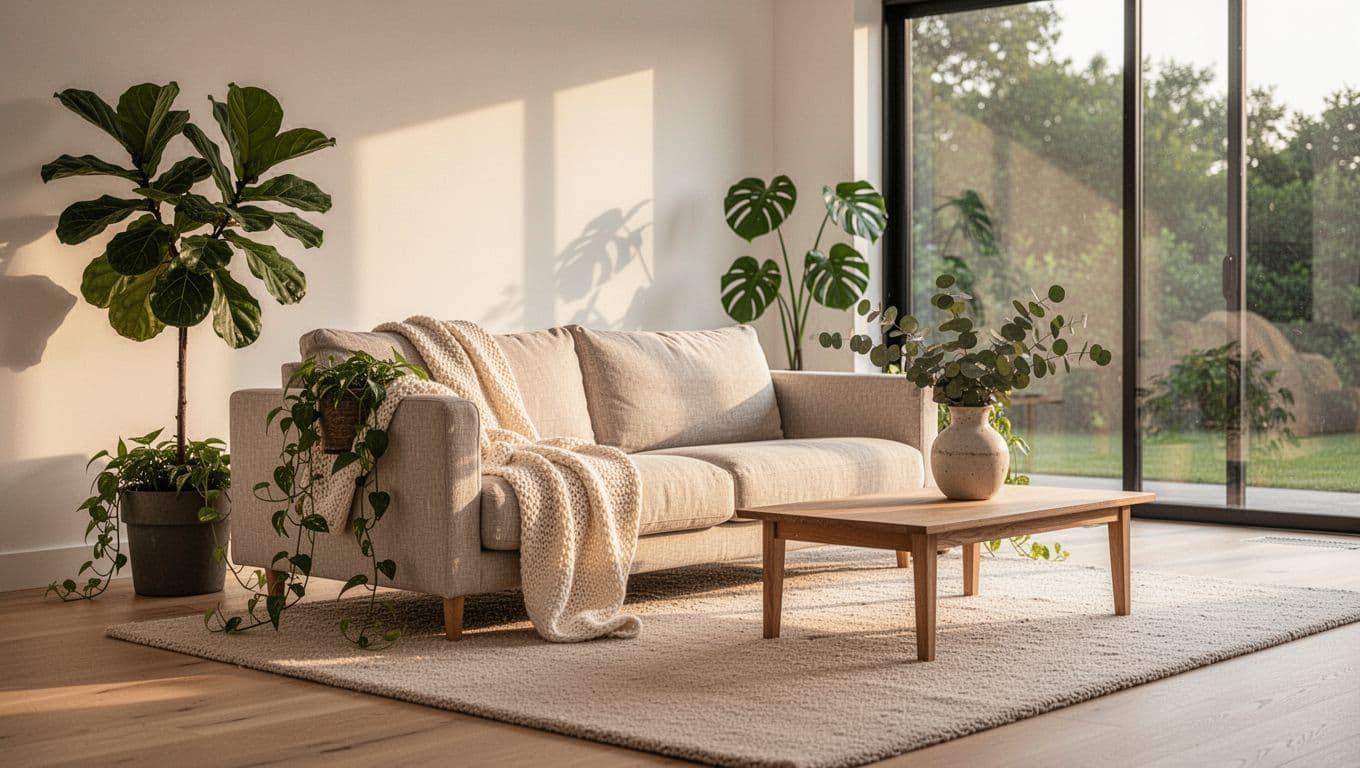
You can add large windows to view your garden or patio. Using wood and stone materials helps ground the space in a natural feel.
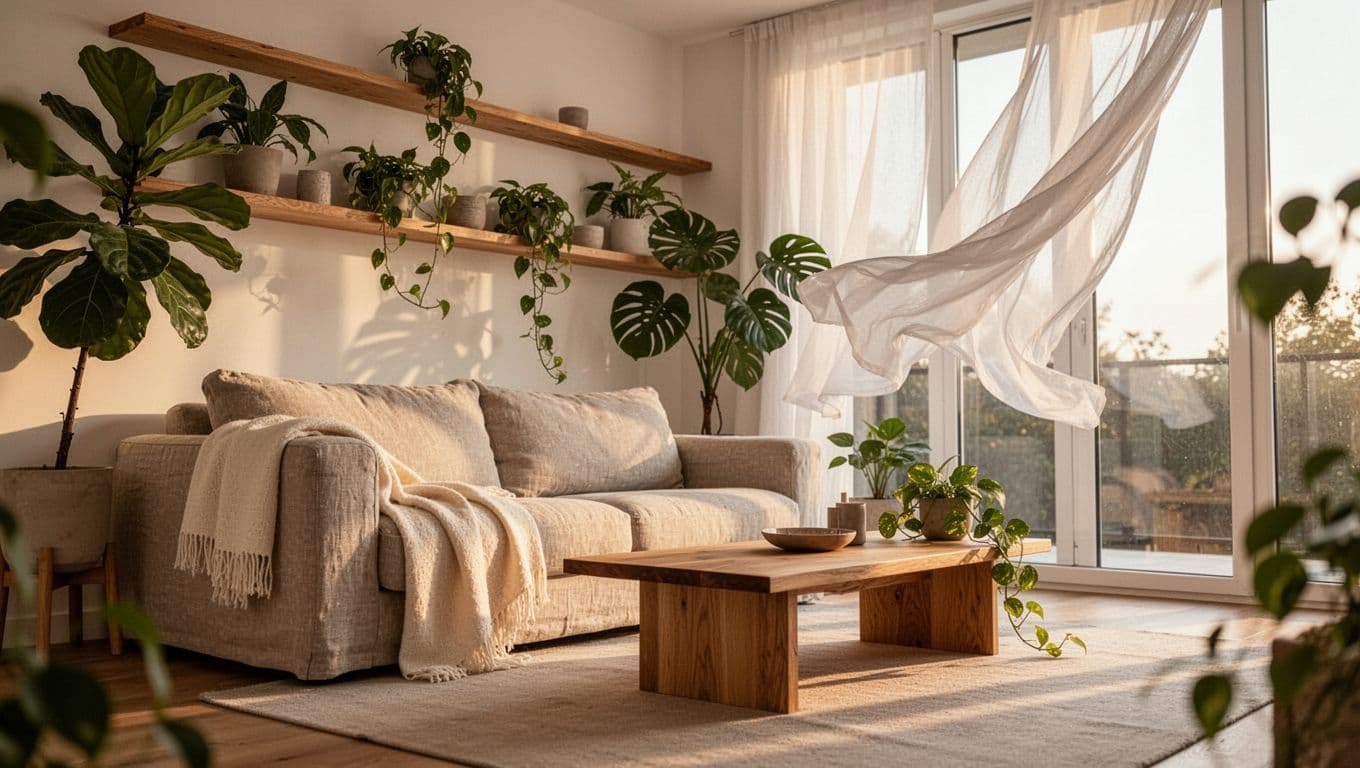
Natural textures like wool rugs or linen curtains add to this organic atmosphere. These materials feel better against the skin and look more inviting than synthetic options. Bringing these elements together makes the transition between outside and inside feel seamless.
Maximizing Natural Light And Airflow
Sunlight regulates your internal clock and improves your mood. Dark rooms often feel cramped and uninviting for long periods of time. A regional planning group mentioned that designs using natural light and fresh air can lead to mental recovery and better moods.
- Install skylights in bathrooms or kitchens.
- Use light-colored paint to reflect the sun throughout the room.
- Add screen doors to let in a breeze during the spring.
Proper ventilation removes indoor pollutants that can affect your health. Keeping the air fresh is just as important as how the room looks.
High-quality air filters and silent fans contribute to a healthier breathing environment. You will notice the difference in your energy levels when the air stays crisp and clean.
Transforming Bathrooms Into Home Spas
The bathroom is often the best place to start a wellness remodel. It is the one room where you can truly close the door on the rest of the world. An industry blog noted that features once thought of as luxuries are now seen as useful upgrades for a better lifestyle.
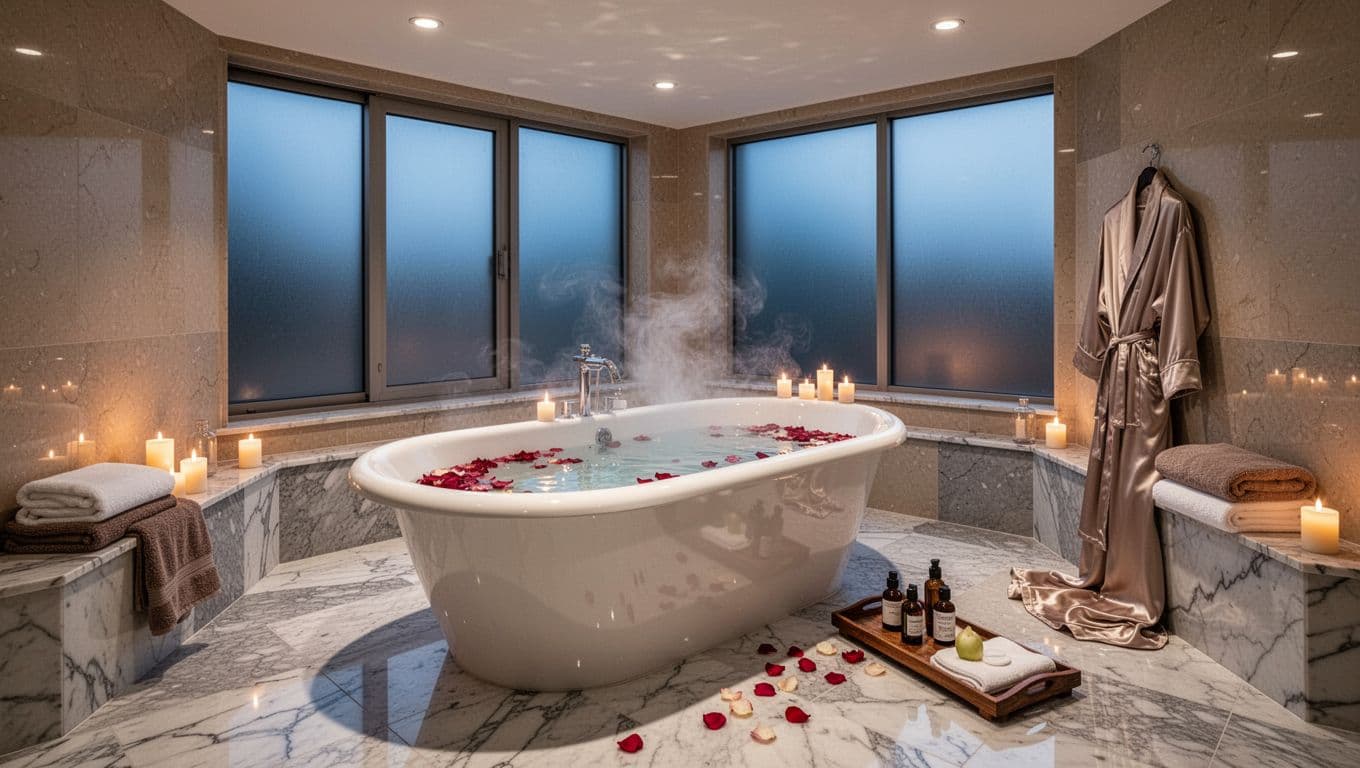
Consider adding a soaking tub or a rainfall shower head. These small changes turn a daily chore into a relaxing ritual. Using soft lighting and heated floors adds another layer of comfort to the experience.
Storage is another factor in creating a spa-like feel. Hiding clutter behind sleek cabinets keeps the visual space clean and quiet. A tidy room allows your mind to rest instead of focusing on the mess.
Creating Tech-Free Relaxation Zones
Screens and notifications are constant sources of distraction and anxiety. Designating a specific area of the home as a phone-free zone helps you disconnect.
Keep charging stations in a separate area to avoid the temptation of scrolling. Soft seating and cozy blankets make the space inviting and warm.
You might find that your sleep improves when you have a place to wind down without blue light. Turning off the noise of the digital world is a gift to your brain.
Designing With Color And Texture
The colors on your walls affect how you feel the moment you walk into a room. Cool blues and greens promote a sense of calm and stability. Neutral tones like beige and soft grey keep the space feeling open and airy.
Textures play a role in your sensory experience. Mix soft rugs with smooth wooden floors to provide a variety of touch points.
Think about how a heavy knit throw feels compared to a cool marble countertop. These contrasts keep your senses engaged gently. Every choice you make contributes to the peace of your home.
Building a home sanctuary is an investment in your long-term happiness. Taking the time to plan for wellness makes sure your home remains a place of peace. Whether you change a single room or the entire floor plan, the benefits are clear.