
How to Ensure Long-Term Reliability in Electrical Installations
A malfunctioning electrical system can be a major source of frustration for anyone who comes to depend on it. For best results, therefore, it’s worth designing installations so that they are not only reliable in the here and now, but that they’re rock-solid for decades to come.
In most cases, this is a matter of adhering to the right standards and practices, and bringing in the right equipment. Let’s take a look at what’s important.
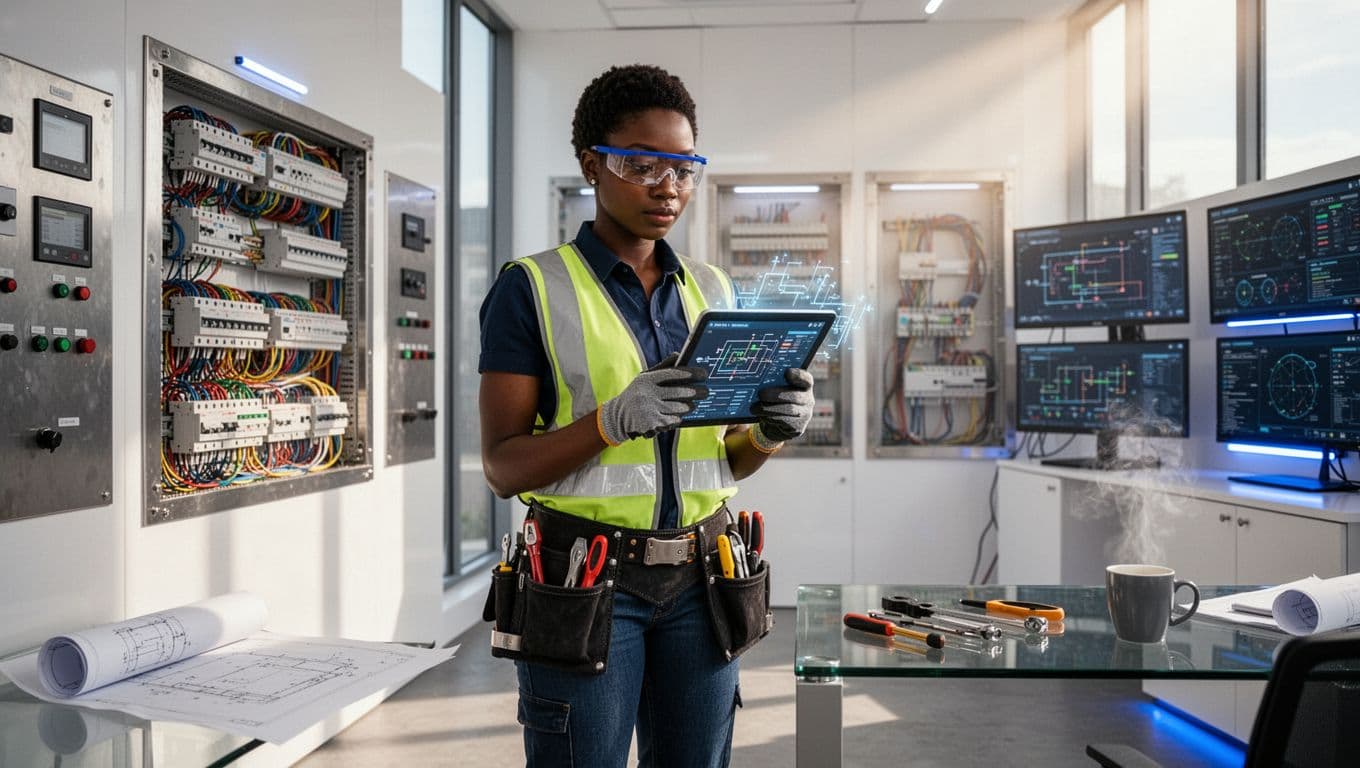
Design with Standards and Compliance in Mind
In the United States, there are a number of standards and organizations worth bearing in mind. These include the National Electrical Code, which helps to ensure that every installation is safe, and the National Electrical Manufacturers Association, which oversees standards for things like electrical enclosures. In recent months, the latter has changed its approach somewhat, to ensure that the grid remains reliable in the face of unprecedented demand, largely generated by AI data centers.
Implement Preventive Maintenance Programs
It’s better to anticipate an electrical problem than it is to have to react to a catastrophic failure. The earlier potential issues are detected, the less likely those big, disruptive events are to occur.
Having in place a structured maintenance program (and ideally one that’s aligned with the NFPA 70B standard, which has recently been formalized) can be invaluable. This way, you’ll know that neglect will never cause a system to go without attention for an unacceptably long time.
Prioritize Quality Components and Proper Installation
In most cases, electrical failures result from one of two causes. Either a component is not fit for purpose, or it’s been installed in a shoddy way. Having standards of quality when it comes to components and installation practices is therefore critical. Not only will high standards help to drive down the risk of a problem; it will also tend to make the system endure for longer.
Fundamental devices, like the terminal block, should always be of a very high quality. This is especially so when those devices rely on movable fasteners, like screws.
Conduct Regular Inspections and Reliability Audits
Of course, it’s rarely enough to simply install a device competently and leave it to run. Over time, it will need to be frequently tested and audited. Faults should be anticipated, and testing processes should emphasize the more common ones. Overheating, arc faults, corroded contacts and other problems can beset aging equipment.